

Jeffrey W. Horowitz, DMD, FAGD, DABDSM, DASBA, is a graduate of the Medical University of South Carolina.
In 1992, he founded the Carolina Center for Advanced Dentistry, a multidisciplinary group practice in the Conway/Myrtle Beach area.
He is the founder and clinical director of Advanced Sleep and TMJ Centers, a member of the Academy of General Dentistry’s Dental Education Council, a mentor at the Kois Center, a lecturer for Catapult Education, and a Sleep Group Solutions instructor.
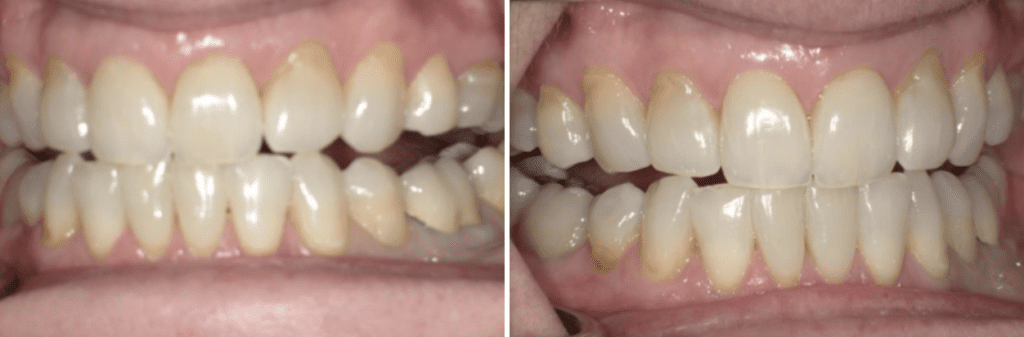
Posterior Open Bites, What Does it Mean?
By: Jeffrey W. Horowitz, DMD, FAGD, D-ABDSM, D-ASBA Have you ever run into posterior open bites during…
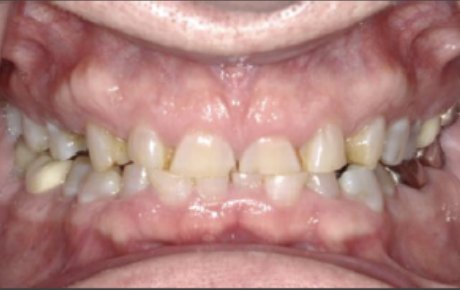
Pitting and Erosive Tooth Lesions, What Does it Mean?
By: Jeffrey W. Horowitz, DMD, FAGD, D-ABDSM, D-ASBA Have you ever run into pitting and erosive tooth…

Facial Asymmetries and Discrepancies, What Does it Mean?
By: Jeffrey W. Horowitz, DMD, FAGD, D-ABDSM, D-ASBA Have you ever run into facial asymmetries and discrepancies…

Chronically Enlarged Tonsils, What Does It Mean?
By: Jeffrey W. Horowitz, DMD, FAGD, D-ABDSM, D-ASBA Chronically enlarged tonsils are a common condition, more likely…
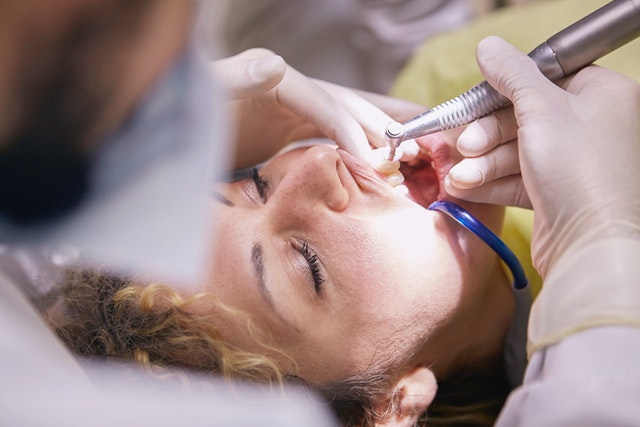
Scalloped Tongue, What Does it Mean?
By: Jeffrey W. Horowitz, DMD, FAGD, D-ABDSM, D-ASBA A scalloped tongue is characterized by wavy or rippled…
Class II Preparation and Restoration: High-Yield Guide for D1 Students
By: Michael Eid Class II preparation and restoration are where things get real. You’re now dealing with proximal surfaces, tight contacts, and matrix systems. This guide simplifies it all for you. What Is a Class II Cavity? Location: Proximal surfaces (mesial/distal) of posterior teeth Class II Preparation Steps Occlusal Portion Proximal Box Matrix & Wedge Tips …

Breathing and Airway Support in Pediatric Dentistry
By: Steve Carstensen DDSThis Topic Originally Appeared on PankeyGram.Org. Dr. Carstensen granted permission for igniteDDS to share with our readers. I want to share a clear example of how bad sleep directly affects the anatomical structures dentists pay a lot of attention to—the mandibular condyles. Sleep Disruption Disrupts Jaw Bone Regeneration We’ve all seen on X-rays…
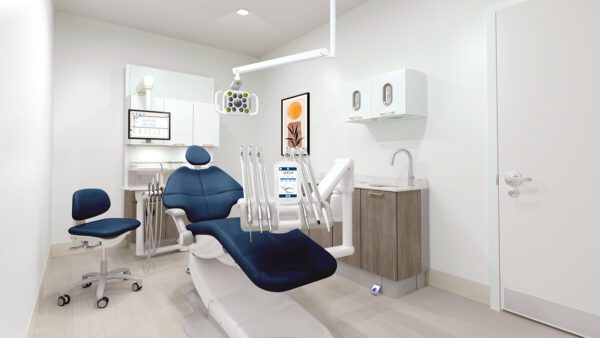
First Practice? Get Savings, Support for a ‘Smart Start’
By: A-decTopic originally appeared on DentalProductShopper.com, they granted permission for igniteDDS to share with our readers. A-dec program offers equipment savings, expert guidance, and complimentary services to ensurefirst-time practice owners get off to a smooth start Struggling with a lengthy wish list of equipment for your first practice? For many dentists, it’s an experience that likely…

Stop the Revolving Door: Rethink Your Onboarding Strategy
By: Dawn Patrick, Dental Practice Coach + Director of Operations IgniteDDS In a busy dental practice, it’s easy to assume a new hire will “figure things out” after a few shadowing shifts. But that’s a fast track to burnout—for the new team member and for the team trying to train them on the fly. Onboarding…

Relationship-Based Dental Practices: Avoiding Judgmental Stories About Patients
By: Michael Rogers, DDSThis Topic Originally Appeared on PankeyGram.Org. Dr. Rogers granted ignitedds permission to share with our readers. Near my dental office, there’s a small strip center that includes a realty group and a small church that creates a significant daily line of cars that go through a drive-through window. Cars line up waiting…

Understanding Dental Insurance Third-Party Administrators: How They Benefit and Hinder Your Practice
By: Angela Holland Dental insurance third-party administrators (TPAs) play a significant role in managing insurance claims and processing reimbursements between dental practices and insurance companies. TPAs are third-party entities hired by insurance companies, employers, or health plans to manage dental insurance plans and the claims process. Their goal is to streamline the administrative side of…

Class I Preparation and Restoration: High-Yield Guide for D1 Students
By: Michael Eid As a D1 student, learning the fundamentals of cavity preparations in sim lab is your first step toward clinical success. This guide will help you bridge the gap between lab exercises and real patient care by teaching you how to think clinically from day one. You’ll gain insights on handpiece control, bur…

Sometimes the Best Treatment is None At All
By: Dr. Savanah Craig One of the biggest contributors to burnout in dentists, in my opinion, comes from decision fatigue. Constantly we are faced with our patients’ problems that we did not create and are expected to find a solution to this problem. We must evaluate the problem, excavate possible causes for this issue, determine…

Authenticity in Dentistry: Embracing Personal Integrity for Professional Growth
By: Paul A. Henny, DDSThis Topic Originally Appeared on PankeyGram.Org. Dr. Henny granted permission for igniteDDS to share with our readers. Clinical efficiency and business systems often take the spotlight. But during all that, it’s easy to overlook something fundamental: your individuality. I love this quote from Ralph Waldo Emerson “Nothing is at last sacred…

5 Secrets to Building Wealth in Dentistry
By: Dr. James Pitts As a practicing Dentist, your career will last around 30-35 years on average. During this time an average Dental Practice will have about $30,000,000 pass through collections. One would think that this would be enough for all Dentists to retire Financially Independent and debt free. However, ADA statistics tell us that…