

Dr. Leonard Hess began teaching continuing education courses in 2005, and the topics include occlusion, smile design, treatment planning, preparation design, and practice integration of complete dentistry.
He’s taught full-day continuing education courses at the American Academy of Cosmetic Dentistry’s national meeting, The Greater New York Dental Meeting, AACD National Meeting, Pacific Dental Conference, Ontario Dental Association meeting, and The Yankee Dental Conference.
Dr. Hess also has taught courses in Japan, Germany, Poland, China, and Canada.
Dr. Hess is currently serving as the Senior Clinical Director at The Dawson Academy. He also owns Union County Center for Comprehensive Dentistry in Charlotte, North Carolina.
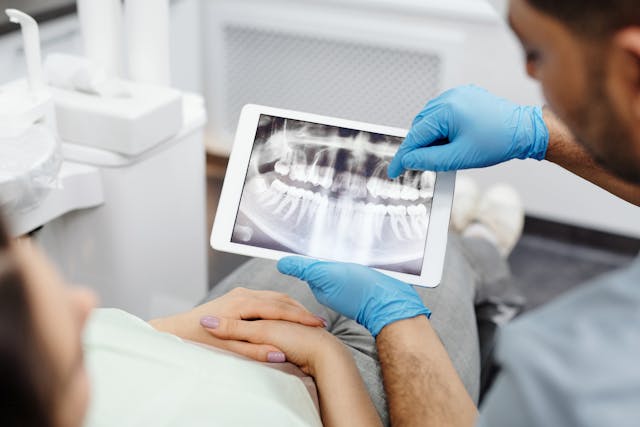
Complete Examinations in Dentistry
By: Dr. Leonard A. Hess, DDSClinical Director, The Dawson AcademyThe Article Originally Appeared on TheDawsonAcademy.com. Dr. Hess…

How To Track Key Dental Practice Performance Metrics
By: Dr. Leonard A. Hess, DDSClinical Director, The Dawson AcademyThe Article Originally Appeared on TheDawsonAcademy.com Measure What’s…

Top Phone Greeting Tips for Dental Practices
By: Dr. Leonard A. Hess, DDSClinical Director, The Dawson AcademyThe Article Originally Appeared on TheDawsonAcademy.com In today’s…
How to Master a Complete Dental Examination
By: Dr. Leonard A. Hess, DDS, Clinical Director, The Dawson AcademyThis article originally appeared on TheDawsonAcademy.com, Dr….
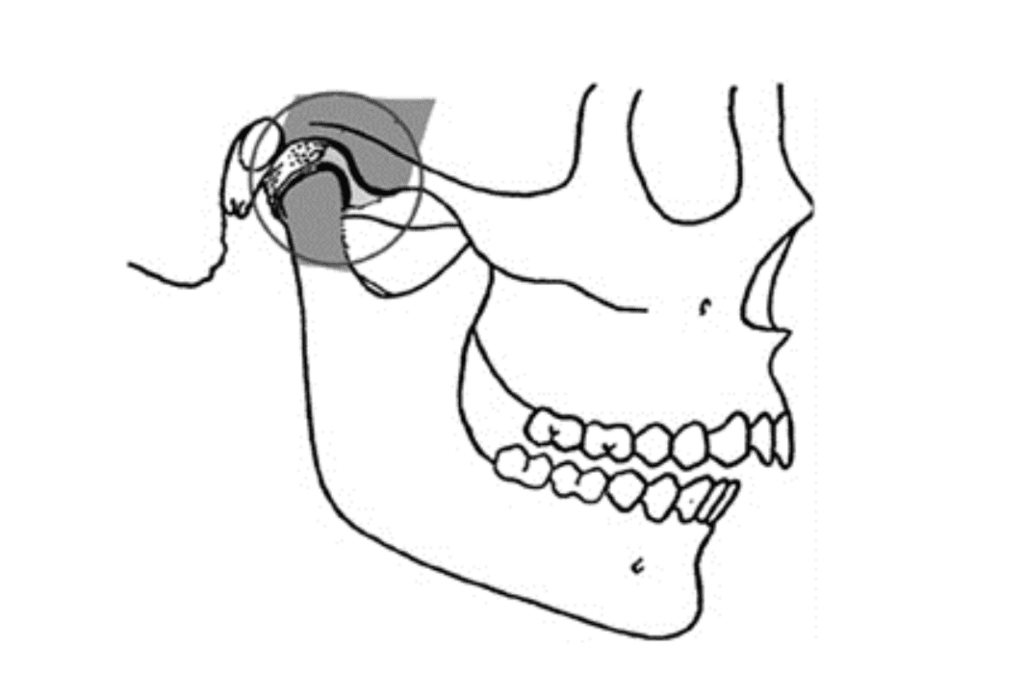
How Do You Know If You Achieved Centric Relation?
By: Dr. Leonard A. Hess, DDSClinical Director, The Dawson AcademyThis article originally appeared on TheDawsonAcademy.com, Dr. Hess…

TMJ 101: The Best TMD Treatment Options For Dentists
By: Dr. Leonard A. Hess, DDSClinical Director, The Dawson AcademyThis article originally appeared on TheDawsonAcademy.com, Dr. Hess…

What is Fremitus and Why Should You Check For It?
By: Dr. Leonard A. Hess, DDSClinical Director, The Dawson AcademyThis article originally appeared on TheDawsonAcademy.com, Dr. Hess allowed igniteDDS to…
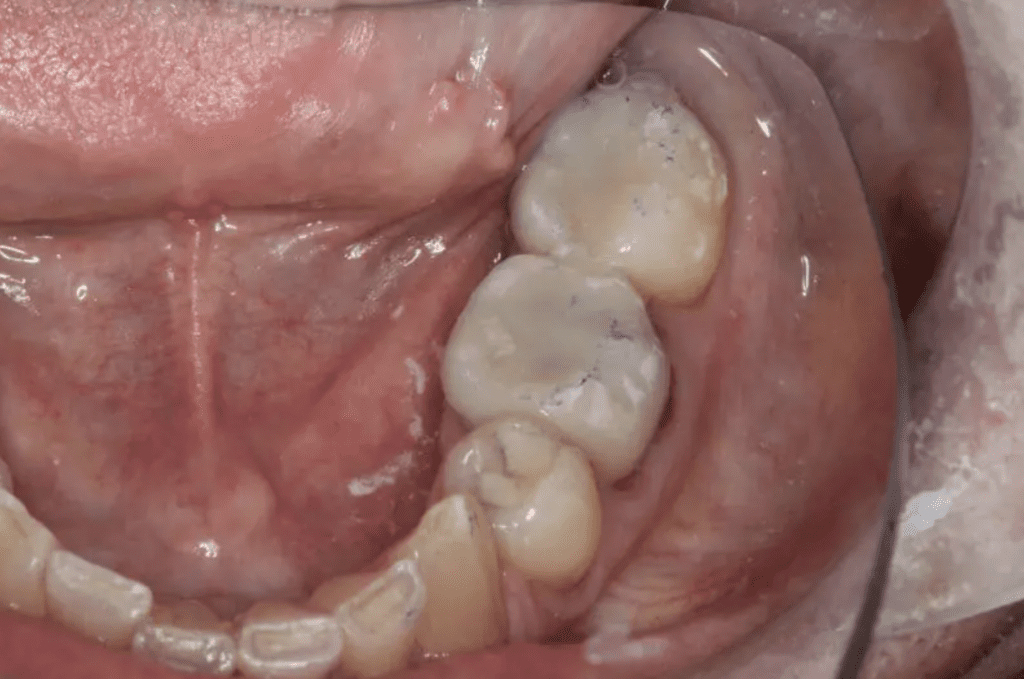
Dentist Education: How Do I Predictably Prep Second Molars?
By: Dr. Leonard A. Hess, DDSClinical Director, The Dawson AcademyArticle originally appeared on TheDawsonAcademy.com, Dr. Hess allowed…
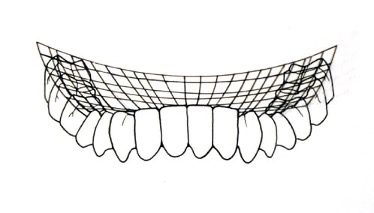
Sequencing a Full-Mouth Rehab: Anterior or Posteriors First?
The correct sequence to begin a full-mouth rehab is tobegin with the anterior teeth first, particularly the…
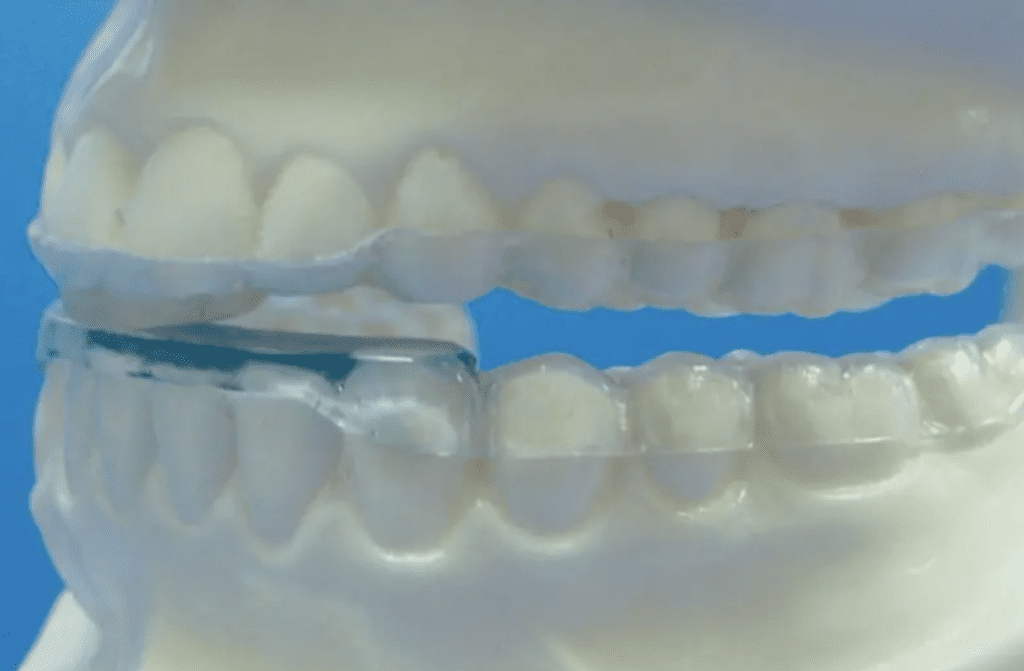
Q&A with Dr. Hess: Patients Who Have More Pain After Wearing a B-Splint
By: Dr. Leonard A. Hess, DDSClinical Director, The Dawson AcademyThe Article Originally Appeared on TheDawsonAcademy.com Question: What…
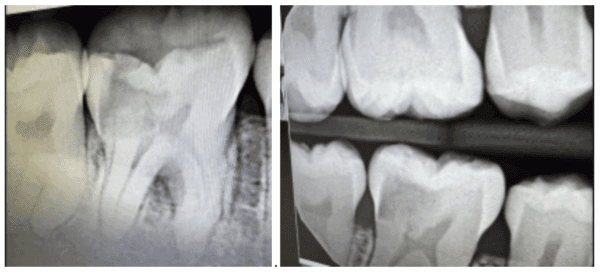
Clinical Based Case As A D4 Student
By: Michael Eid As you continue in your clinical journey, you quickly find yourself becoming proficient at the physical aspects of dentistry. What can be tricky is finding a proper treatment plan, individualized per patient based on their definition of success. Being able to find a solution to their chief complaint to cater towards finances,…

Supercharge Your Dental Practice with AI & Automation: Top Tools for Efficiency & Growth
By: Dawn Patrick, Dental Practice Coach + Director of Operations IgniteDDS In today’s evolving dental landscape, Artificial Intelligence (AI) and automation are no longer just buzzwords, they’re essential tools for building smarter, more profitable practices. Whether you’re a solo practitioner or managing multiple locations, these technologies help improve diagnostic accuracy, streamline daily operations, and create…
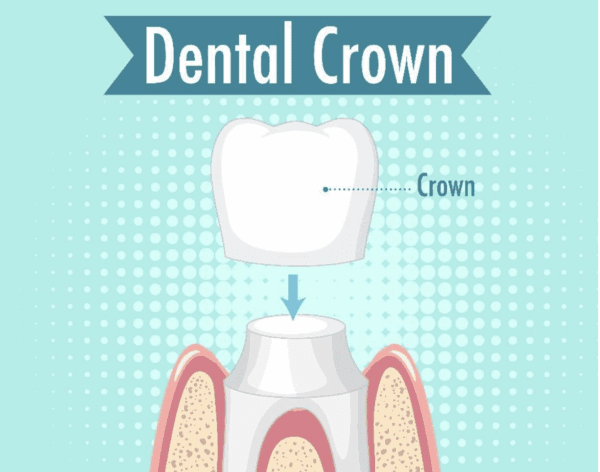
Removing Dental Cement Inside A Zirconia And Lithium Disilicate Crown
By: Lee Ann Brady, DMDThis Topic Originally Appeared on PankeyGram.Org. Dr. Brady granted permission for igniteDDS to share with our readers Sometimes a crown comes off and if it’s not damaged and the tooth structure is healthy still without any caries lesion, we can recement the same dental crown to the patient without needing to…

No Compensation Strategy? You’re Contributing to Turnover
By: Garrett Wilson Payroll might be your biggest expense, but turnover is what’s really bleeding your practice. Every time a team member walks out the door, it costs you time, money, and momentum. And if you don’t have a plan for compensation, you’re likely making the problem worse. Let’s be clear: people don’t leave just…

The Elevated Experience: How Modernizing for Patient Convenience Boosts Your Dental Practice
By: Dawn Patrick, Dental Practice Coach + Director of Operations IgniteDDS Today’s dental patients are more than health consumers, they’re informed, tech-savvy, and expect a service experience that matches what they get from top retailers and service providers. From how they book appointments to how they pay bills, patients want streamlined systems, clear communication, and…

Why Dental Teams Should Learn Together
By: Ronda Holman In the fast-paced world of dentistry, continuing education (CE) is essential, not just for dentists, but for the entire dental team. When a practice chooses to learn together, something special happens: skills are sharpened, communication improves, and the entire office culture levels up. But beyond the clinical gains, team learning sends a…
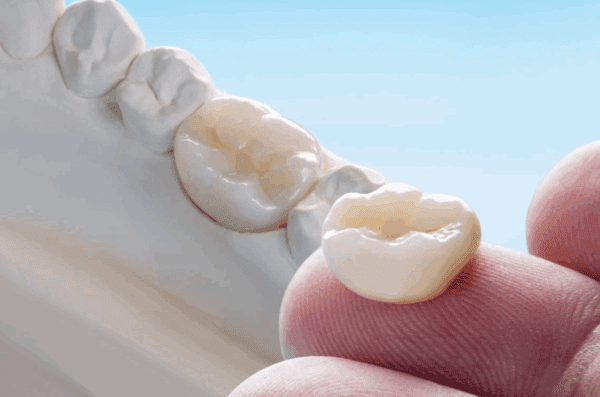
Making Informed Decisions When Choosing Zirconia Restorations
By: Christopher Mazzola, DDSThis topic originally appeared on PankeyGram.Org. Dr. Mazzola granted permission for igniteDDS to share with our readers. The purpose of looking at recent research data is to see how we can improve our clinical outcomes. Different scholarly journals inform us of ways to decrease risk and hopefully increase the longevity of the services…

You Purchased a Dental Practice, Congratulations! (Insurance Credentialing….Where to Start?!)
By: Angela Holland Purchasing a dental practice is a significant milestone in any dentist’s career. It’s an exciting time, full of opportunities for growth, patient care, and building a long-lasting reputation in your community. However, the transition from being a practitioner to a practice owner involves much more than just managing day-to-day operations. One crucial…

Class III Preparation and Restoration: High-Yield Guide for Dental Students
By: Michael Eid Class III lesions are your first step into esthetic dentistry and demand perfection. You’re now working on anterior teeth—where every margin, contour, and finish is visible. This guide breaks it down so you can restore it with a little more confidence. What Is a Class III Cavity? Location: Proximal surfaces (mesial/distal) of…

Scrubs, Stress & Leadership: Why Empathy Is Your Secret Superpower
By: Dawn Patrick, Dental Practice Coach + Director of Operations IgniteDDS In the fast-paced, high-demand environment of a dental practice, stress can build quickly—from back-to-back procedures and insurance hurdles to team tension and patient anxiety. What if the solution to reducing that stress isn’t about doing more, but about leading better? One of the most underutilized…