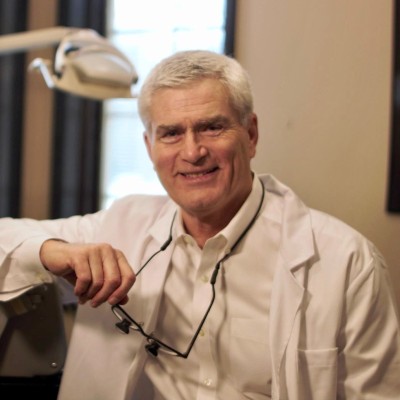
By: Mark T. Murphy, DDS
This topic originally appeared on PankeyGram.org. Dr. Murphy granted permission for igniteDDS to share with our readers.
Sleep is the foundation of a child’s health and development, yet many children struggle with undiagnosed sleep disorders.
One of the most overlooked conditions is pediatric sleep apnea, a disorder that can have serious consequences for physical growth, cognitive development, and behavior.
As dentists, we are uniquely positioned to identify sleep disordered breathing in children and guide parents toward early intervention.
Recognizing Sleep Apnea Symptoms in Children
One of the most common but often ignored signs of obstructive sleep apnea in children is snoring. While snoring in adults is sometimes dismissed as a minor nuisance, snoring in children is never normal. It may indicate pediatric sleep apnea or upper airway resistance syndrome (UARS), both of which disrupt restful sleep.
Other symptoms to watch for include:
- Daytime sleepiness or difficulty waking up in the morning
- Behavioral issues that mimic ADHD
- Mouth breathing or an open-mouth posture
- Frequent nighttime awakenings or bedwetting
- Enlarged tonsils or adenoids
Studies show a strong connection between ADHD and obstructive sleep apnea, as poor sleep quality can lead to concentration difficulties, impulsivity, and hyperactivity during the day. If a child presents with ADHD-like symptoms, a sleep evaluation should be considered.
Treatment Options for Pediatric Sleep Apnea
The good news is that early intervention can significantly improve a child’s quality of life. Depending on the severity of the condition, treatment may include:
Tonsillectomy and adenoidectomy: Removing enlarged tonsils and adenoids is often the first-line treatment. This can dramatically improve airflow and eliminate symptoms in many children.
Oral appliances and orthodontic interventions: For children with narrow airways or jaw development issues, an expansion appliance can help create space for proper breathing.
Pediatric airway specialist consultation: A specialist can assess whether a child would benefit from myofunctional therapy, nasal breathing exercises, or other interventions.
The Importance of Early Intervention
Addressing mouth breathing and other sleep disorders early can prevent lifelong complications. Orthodontic expansion at a young age can provide adequate space for permanent teeth and promote proper airway growth.
In my own family, my granddaughter underwent maxillary and mandibular expansion at age 5, which not only corrected her airway issues but also ensured she had room for her permanent teeth. She no longer snores, highlighting the effectiveness of early intervention.
A patient’s 5-year-old son struggled with snoring and bedwetting. After persistent encouragement, his parents pursued a pediatric evaluation, leading to a tonsillectomy and adenoidectomy. The results were immediate—he stopped wetting the bed, slept through the night, and snored far less. His case demonstrates how unrecognized sleep disorders can significantly impact a child’s well-being.
When to Seek Professional Help
If a child exhibits any obstructive sleep apnea symptoms, the parents should consult a pediatrician or pediatric airway specialist.
Even one of the following signs warrants further evaluation:
- Snoring
- Frequent nighttime awakenings
- Mouth breathing
- Excessive daytime sleepiness
- ADHD diagnosis
Early intervention of pediatric sleep apnea can prevent these children from becoming adults with airway-related health issues.
In Conclusion
If you’re interested in airway-centric dentistry, watch my free Pankey webinar to learn more about screening and treating obstructive sleep apnea for early intervention.