
Dr. Leonard Hess began teaching continuing education courses in 2005, and the topics include occlusion, smile design, treatment planning, preparation design, and practice integration of complete dentistry.
He’s taught full-day continuing education courses at the American Academy of Cosmetic Dentistry’s national meeting, The Greater New York Dental Meeting, AACD National Meeting, Pacific Dental Conference, Ontario Dental Association meeting, and The Yankee Dental Conference.
Dr. Hess also has taught courses in Japan, Germany, Poland, China, and Canada.
Dr. Hess is currently serving as the Senior Clinical Director at The Dawson Academy. He also owns Union County Center for Comprehensive Dentistry in Charlotte, North Carolina.
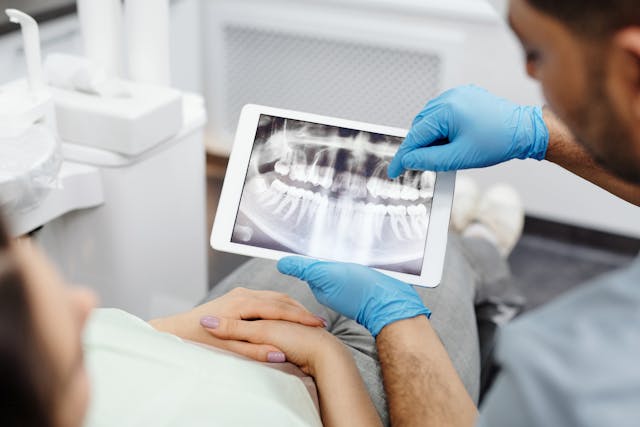
Complete Examinations in Dentistry
By: Dr. Leonard A. Hess, DDSClinical Director, The Dawson AcademyThe Article Originally Appeared on TheDawsonAcademy.com. Dr. Hess…

How To Track Key Dental Practice Performance Metrics
By: Dr. Leonard A. Hess, DDSClinical Director, The Dawson AcademyThe Article Originally Appeared on TheDawsonAcademy.com Measure What’s…

Top Phone Greeting Tips for Dental Practices
By: Dr. Leonard A. Hess, DDSClinical Director, The Dawson AcademyThe Article Originally Appeared on TheDawsonAcademy.com In today’s…
How to Master a Complete Dental Examination
By: Dr. Leonard A. Hess, DDS, Clinical Director, The Dawson AcademyThis article originally appeared on TheDawsonAcademy.com, Dr….
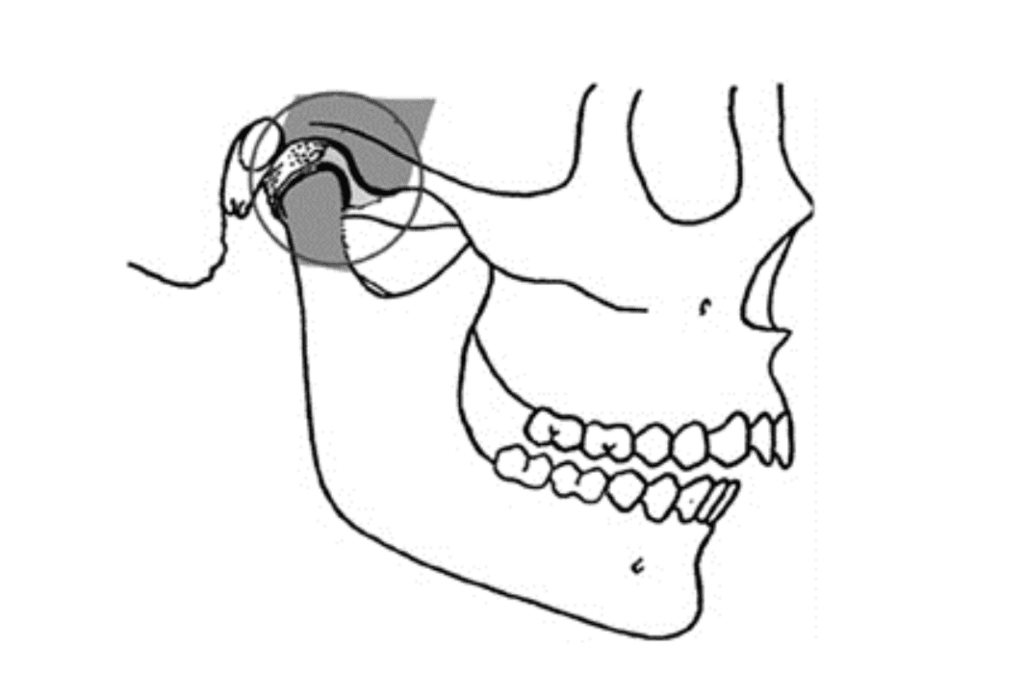
How Do You Know If You Achieved Centric Relation?
By: Dr. Leonard A. Hess, DDSClinical Director, The Dawson AcademyThis article originally appeared on TheDawsonAcademy.com, Dr. Hess…

TMJ 101: The Best TMD Treatment Options For Dentists
By: Dr. Leonard A. Hess, DDSClinical Director, The Dawson AcademyThis article originally appeared on TheDawsonAcademy.com, Dr. Hess…

What is Fremitus and Why Should You Check For It?
By: Dr. Leonard A. Hess, DDSClinical Director, The Dawson AcademyThis article originally appeared on TheDawsonAcademy.com, Dr. Hess allowed igniteDDS to…
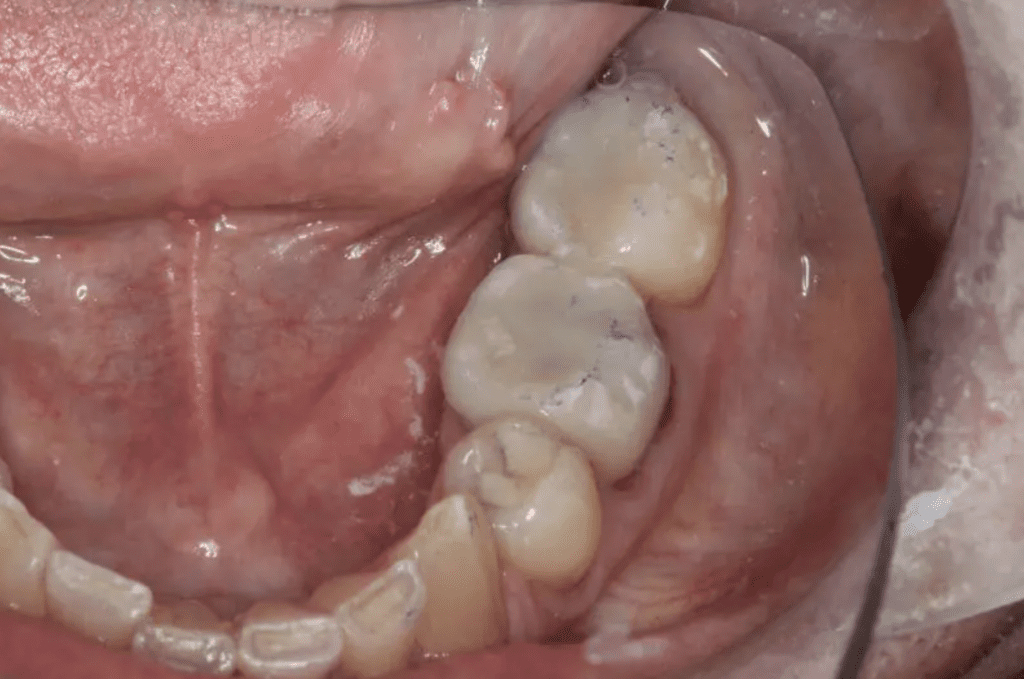
Dentist Education: How Do I Predictably Prep Second Molars?
By: Dr. Leonard A. Hess, DDSClinical Director, The Dawson AcademyArticle originally appeared on TheDawsonAcademy.com, Dr. Hess allowed…
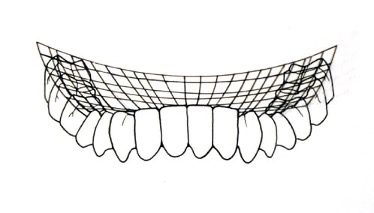
Sequencing a Full-Mouth Rehab: Anterior or Posteriors First?
The correct sequence to begin a full-mouth rehab is tobegin with the anterior teeth first, particularly the…
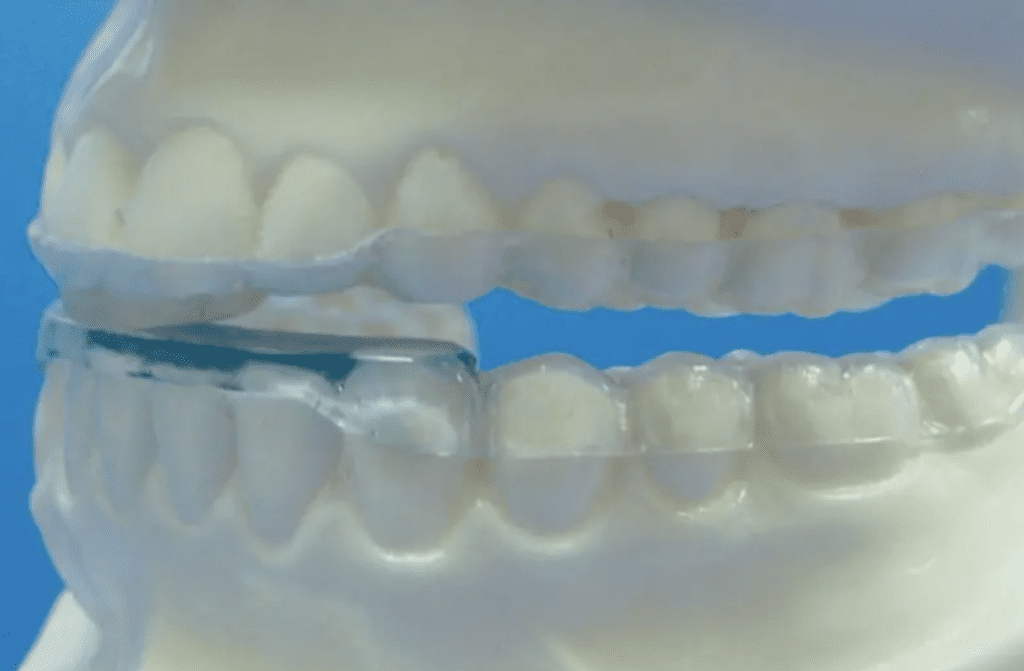
Q&A with Dr. Hess: Patients Who Have More Pain After Wearing a B-Splint
By: Dr. Leonard A. Hess, DDSClinical Director, The Dawson AcademyThe Article Originally Appeared on TheDawsonAcademy.com Question: What…

Fee Negotiation Myths That Keep Dentists Underpaid
By: Angela Holland, Founder of Preferred Dental SolutionsInsurance Expert and Strategy Consultant for Dental PracticesPreferredDentalSolutions.com There’s a long-standing myth in dentistry that PPO fees are fixed. That’s what you’re paid and it’s what you’re stuck with. Let me be clear: that’s simply not true. Every week, we help dental practices negotiate substantial increases, sometimes 20%,…
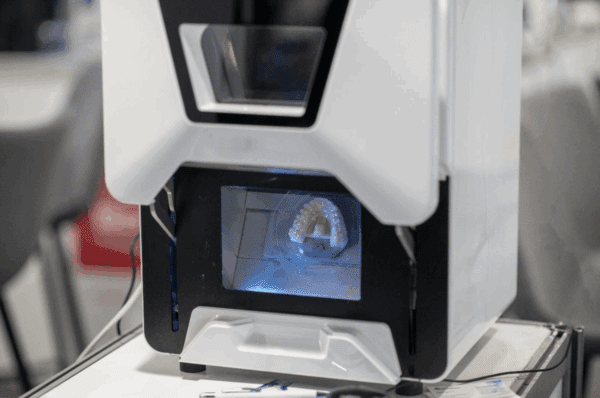
Digital Dentistry Workflow: Superior Esthetics and Functionality
By: John C. Cranham, DDS This article originally appeared on PankeyGram.Org. Dr. Cranham granted permission for igniteDDS to share with our readers. Managing complex esthetic and functional dental cases requires precision, efficiency, and a thorough understanding of occlusion. Traditional analog workflows have served dentistry well, but digital workflows now allow for greater accuracy, predictability, and efficiency….

From Clinician To CEO: Part 2
Part 2. Systems Control – Turning Chaos Into Consistency By: Dr. David Rice When a dentist shares they’d like more money and more time off, my first thought is, of course. My second thought is what I know they’re really after: freedom. When most new practice owners feel overwhelmed, it’s rarely because they’re bad at…

How to Actually Unplug This Holiday Season & Why You Should
By: Dr. Sable Muntean The holidays are supposed to be the season of peace, rest, and connection, yet for many dental professionals, it ends up being one of the most stressful times of the year. Schedules fill up, year-end production goals loom, and even when the office finally closes for a few days, your mind…

Selling To a DSO: Yes or No?!?
By: Todd Doobrow, CFP As the dental industry evolves, many independent dentists are considering selling their practices to Dental Support Organizations (DSOs). DSOs offer management and administrative support, allowing dentists to focus more on clinical care. However, while this option can be appealing, it’s not without its drawbacks. Below is a balanced look at the…

Detecting and Managing Pressure Root Resorption Early
By: Lee Ann Brady, DMDThis topic originally appeared on PankeyGram.Org. Dr. Brady granted igniteDDS permission to share with our readers. Root resorption is a phenomenon that takes on various forms, each with unique implications for the long-term health of a tooth. Among these, pressure root resorption stands out as a common type. This occurs when…

The Freedom Framework Week One: Breaking the Invisible Handcuffs
Awareness: Seeing What Restricts Your Growth and Steals Your Energy By: Candy Velez – CRDH, BSDH Welcome to The Freedom Framework, a three-part mini coaching series from igniteDDS Coaching. This series is designed to help you move from frustration to freedom. Each week introduces a focused lesson, supported by a downloadable workbook that turns awareness…
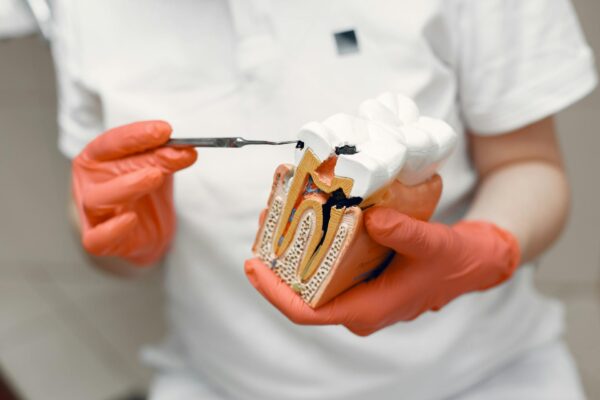
Why You’ll Struggle Getting Patency
The hardest part of doing a root canal, in my opinion, is achieving patency. Once I get patency, I find endo relatively straightforward (for the most part). Getting patency is about learning how the canal feels, staying patient, and figuring out what the tooth is telling you. Here’s what I wish I knew when I…

Season of Thanks: Small Gestures That Make a Big Impact on Your Team and Patients
By: Dr. Sable Muntean As the year winds down and the holiday season begins, dental offices everywhere are running at full speed—wrapping up treatment plans, finalizing insurance claims, and trying to squeeze in last-minute appointments before the year’s end. Amid all the chaos, November is the perfect reminder to slow down, take a breath, and…

6 Valuable Lessons Your DSO Can Learn from Dental Schools
By: A-decThis topic originally appeared on A-dec.com. They granted permission for igniteDDS to share with our readers. When it comes to choosing dental equipment, Dental Service Organizations and dental schools have a lot in common. Just like a DSO, a dental school has a budget to consider, a clear procurement process, and a focus on…