

Dr. Leonard Hess began teaching continuing education courses in 2005, and the topics include occlusion, smile design, treatment planning, preparation design, and practice integration of complete dentistry.
He’s taught full-day continuing education courses at the American Academy of Cosmetic Dentistry’s national meeting, The Greater New York Dental Meeting, AACD National Meeting, Pacific Dental Conference, Ontario Dental Association meeting, and The Yankee Dental Conference.
Dr. Hess also has taught courses in Japan, Germany, Poland, China, and Canada.
Dr. Hess is currently serving as the Senior Clinical Director at The Dawson Academy. He also owns Union County Center for Comprehensive Dentistry in Charlotte, North Carolina.

Complete Examinations in Dentistry
By: Dr. Leonard A. Hess, DDSClinical Director, The Dawson AcademyThe Article Originally Appeared on TheDawsonAcademy.com. Dr. Hess…

How To Track Key Dental Practice Performance Metrics
By: Dr. Leonard A. Hess, DDSClinical Director, The Dawson AcademyThe Article Originally Appeared on TheDawsonAcademy.com Measure What’s…

Top Phone Greeting Tips for Dental Practices
By: Dr. Leonard A. Hess, DDSClinical Director, The Dawson AcademyThe Article Originally Appeared on TheDawsonAcademy.com In today’s…
How to Master a Complete Dental Examination
By: Dr. Leonard A. Hess, DDS, Clinical Director, The Dawson AcademyThis article originally appeared on TheDawsonAcademy.com, Dr….
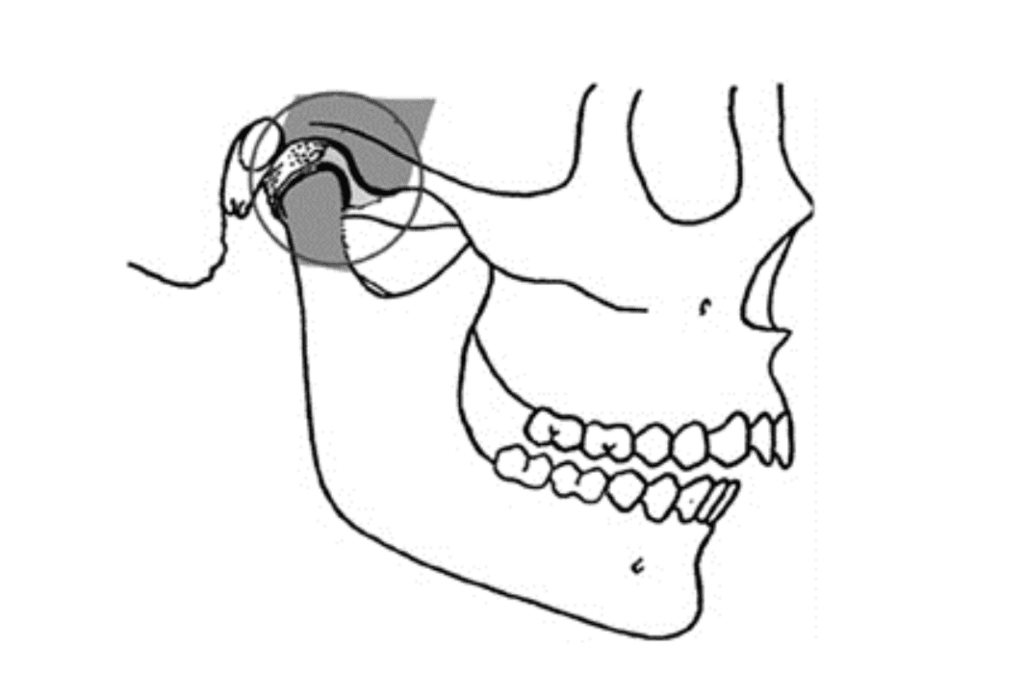
How Do You Know If You Achieved Centric Relation?
By: Dr. Leonard A. Hess, DDSClinical Director, The Dawson AcademyThis article originally appeared on TheDawsonAcademy.com, Dr. Hess…

TMJ 101: The Best TMD Treatment Options For Dentists
By: Dr. Leonard A. Hess, DDSClinical Director, The Dawson AcademyThis article originally appeared on TheDawsonAcademy.com, Dr. Hess…

What is Fremitus and Why Should You Check For It?
By: Dr. Leonard A. Hess, DDSClinical Director, The Dawson AcademyThis article originally appeared on TheDawsonAcademy.com, Dr. Hess allowed igniteDDS to…
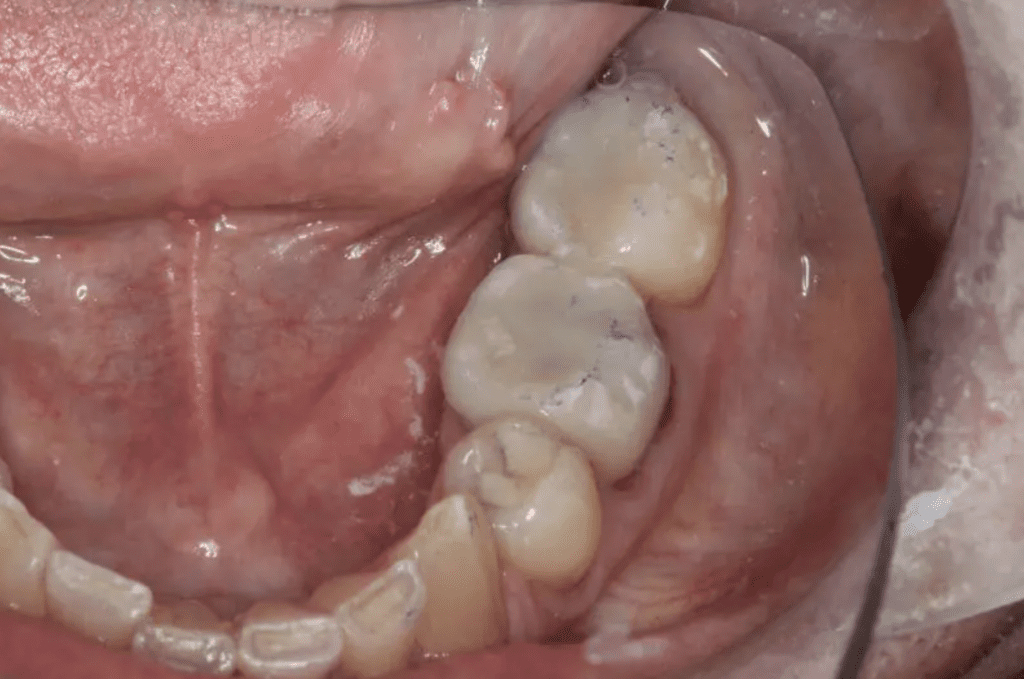
Dentist Education: How Do I Predictably Prep Second Molars?
By: Dr. Leonard A. Hess, DDSClinical Director, The Dawson AcademyArticle originally appeared on TheDawsonAcademy.com, Dr. Hess allowed…
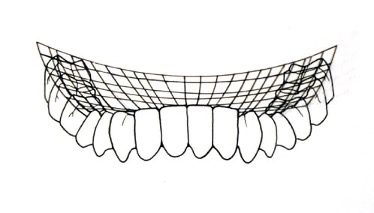
Sequencing a Full-Mouth Rehab: Anterior or Posteriors First?
The correct sequence to begin a full-mouth rehab is tobegin with the anterior teeth first, particularly the…
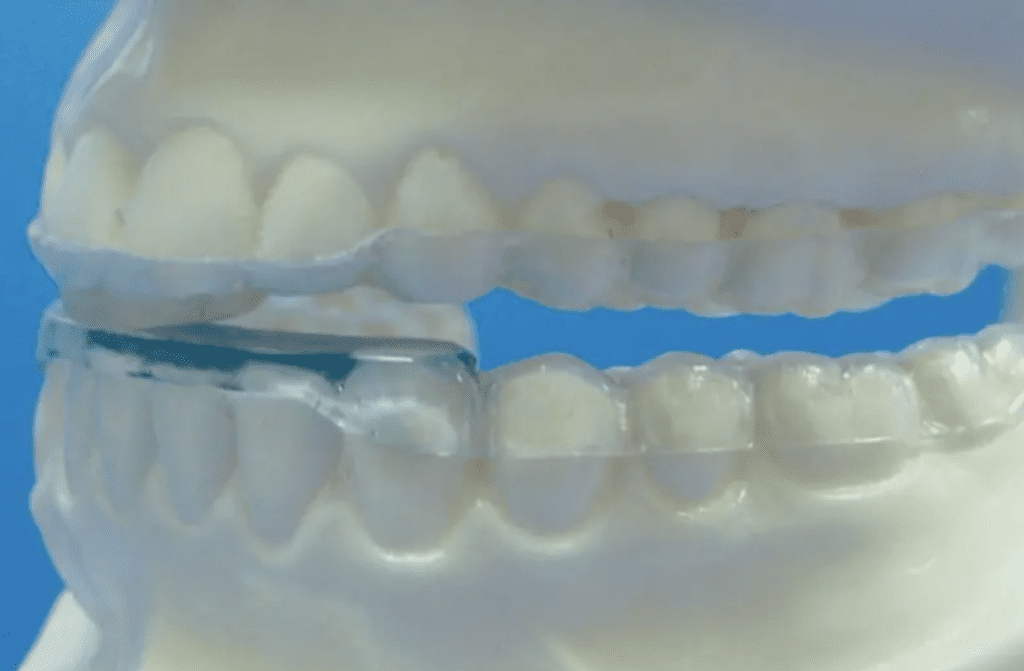
Q&A with Dr. Hess: Patients Who Have More Pain After Wearing a B-Splint
By: Dr. Leonard A. Hess, DDSClinical Director, The Dawson AcademyThe Article Originally Appeared on TheDawsonAcademy.com Question: What…

The PPO Trap for Startups & Acquisitions: Moving into Ownership in 2026? This Is for You!
By: Angela Holland, Founder of Preferred Dental SolutionsInsurance Expert and Strategy Consultant for Dental PracticesPreferredDentalSolutions.com Insurance Decisions That Can Make or Break New Dental Practices If you’re launching or buying a dental practice, insurance decisions can make or break your first three years. Too many new owners sign onto every PPO “just to get patients…
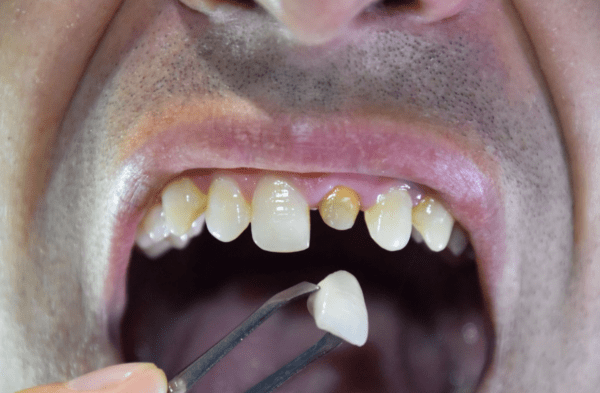
Keeping Gingival Crevice Healthy
By: Pankey GramTopic Originally appeared on PankeyGram.org Gingival crevice is the space between the marginal gingiva and the tooth surface. Keeping it healthy, means knowing effective tooth preparation techniques that don’t block the passage of gingival crevice fluid with restoration materials. Many soft tissue inflammation, like gingivitis and periodontitis can occur as a result of…

The Practice Profitability Playbook: Part 3
Part 3: Clinical Control — Diagnose with Confidence, Present with Clarity By: Dawn Patrick, Business Strategy Coach, IgniteDDS Even the most profitable practice can struggle if patients don’t accept treatment consistently. Clinical Control ensures that your team delivers excellent care and communicates it effectively, so patients understand the value and say yes to recommended treatment….

How to Stay Sane During December’s Patient Rush: A Dentist’s Guide to Balance
By: Dr. Sable Muntean December is a special kind of chaos for dental professionals. It’s the perfect storm: patients trying to use the last of their insurance benefits, parents squeezing in appointments before school break, and an endless stream of “Can you fit me in before the holidays?” messages. The pressure hits fast, and hard….

Smart Tax Moves to Make Before Year-End
By: Todd Doobrow, CFP As the calendar winds down, now is the time to take proactive steps that can lower your 2025 tax bill and set you up for success in 2026. Here are a few key strategies to consider before December 31: Maximize Retirement Contributions Boost your savings and reduce taxable income by contributing…

Evaluating Crown Integrity After Endodontic Access Preparation
By: Lee Ann Brady, DMDThis topic originally appeared on PankeyGram.Org. Dr. Brady granted igniteDDS permission to share with our readers. When a patient requires a root canal treatment through an existing dental crown, how do you approach the conversation? Setting clear, realistic patient expectations is essential to maintaining trust and satisfaction. Here’s how I address…

From Clinician to CEO: Part 3
Financial Control: Profit With Purpose By: Dr. David Rice Most dentists don’t hate numbers … they just hate not knowing what they mean … and that sadly translates into pretending they don’t exist. If you want to know how to lead your practice … and life by the numbers … keep reading because it turns out…

Endo Made Simple Part 2: Shaping, Cleaning, & Irrigation
By: Michael Eid Missed Endo Made Simple Part 1? Check it out first here. Once the canals are open and a size 10 can glide, you’re ready to start shaping. This phase is all about control, patency, and avoiding iatrogenic trauma. Step 1: Confirm Working Length 🦷 High-Yield Tip: WL mistakes snowball into overfills, underfills,…

The Art of Saying “No” Without Guilt During the Busiest Time of Year
By: Dr. Sable Muntean The holiday season can feel like a perfect storm for dental professionals. Schedules are packed, patients are trying to use up benefits, team members need time off, and family obligations stack up faster than you can keep track. Every request feels urgent. Every “yes” seems like the right thing to do….

Credentialing Isn’t Paperwork, It’s Strategy
Start-ups & Acquisitions in 2026, this is a must read! By: Angela Holland, Founder of Preferred Dental SolutionsInsurance Expert and Strategy Consultant for Dental PracticesPreferredDentalSolutions.com Too often, dental credentialing is treated as a checklist task, paperwork to be processed, boxes to be ticked, and forms to be faxed. But let’s be honest: credentialing is the…