
Dr. Leonard Hess, DDS

Dr. Leonard Hess, DDS

Dr. Leonard Hess began teaching continuing education courses in 2005, and the topics include occlusion, smile design, treatment planning, preparation design, and practice integration of complete dentistry.

He’s taught full-day continuing education courses at the American Academy of Cosmetic Dentistry’s national meeting, The Greater New York Dental Meeting, AACD National Meeting, Pacific Dental Conference, Ontario Dental Association meeting, and The Yankee Dental Conference.

Dr. Hess also has taught courses in Japan, Germany, Poland, China, and Canada.

Dr. Hess is currently serving as the Senior Clinical Director at The Dawson Academy. He also owns Union County Center for Comprehensive Dentistry in Charlotte, North Carolina.
dawson academy complete dental examinations

Complete Examinations in Dentistry

By: Dr. Leonard A. Hess, DDSClinical Director, The Dawson AcademyThe Article Originally Appeared on TheDawsonAcademy.com. Dr. Hess…

Read More
how to track key dental practice performance metrics

How To Track Key Dental Practice Performance Metrics

By: Dr. Leonard A. Hess, DDSClinical Director, The Dawson AcademyThe Article Originally Appeared on TheDawsonAcademy.com Measure What’s…

Read More
phone greeting tips for dental offices

Top Phone Greeting Tips for Dental Practices

By: Dr. Leonard A. Hess, DDSClinical Director, The Dawson AcademyThe Article Originally Appeared on TheDawsonAcademy.com In today’s…

Read More

How to Master a Complete Dental Examination

By: Dr. Leonard A. Hess, DDS, Clinical Director, The Dawson AcademyThis article originally appeared on TheDawsonAcademy.com, Dr….
Read More
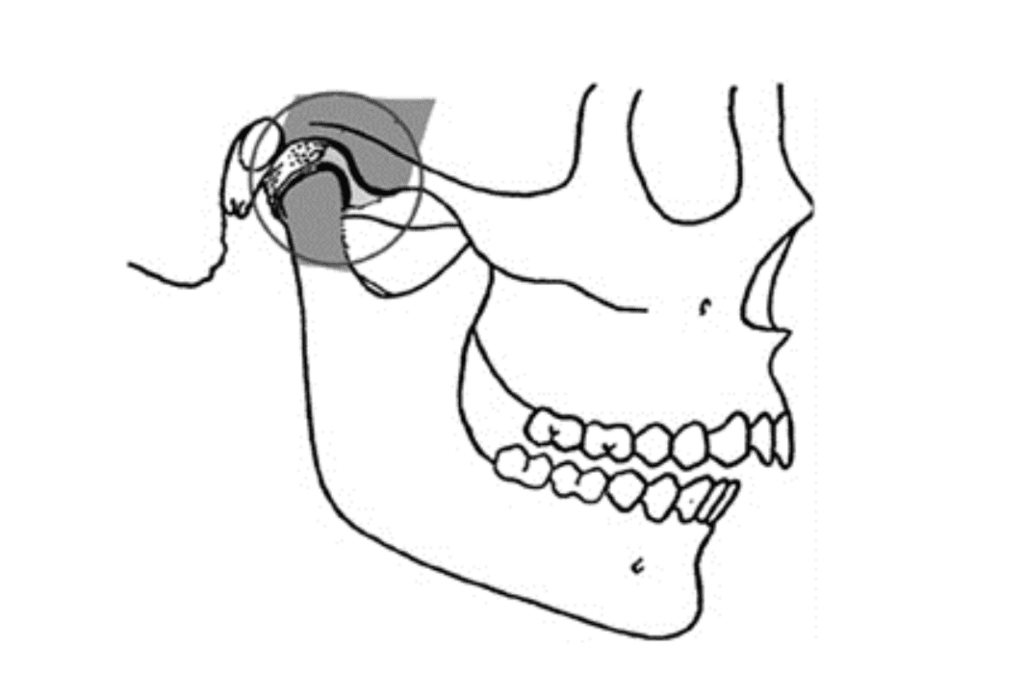
How Do You Know If You Achieved Centric Relation? By: Dr. Leonard A. Hess, DDS Clinical Director, The Dawson Academy This article originally appeared on TheDawsonAcademy.com, Dr. Hess allowed igniteDDS to share with our readers. When we talk about utilizing bimanual manipulation as a way to get centric relation, one of the biggest misunderstandings we see is the tendency for dentists to think CR is achieved by forcing the jaw back to seat the condyles. When we are in a situation where we have a tight patient, or patients that are resisting, the worst thing we can do is force it. Bimanual manipulation provides verification of: The correctness of the physiologic position The alignment of the condyle-disk assembly The integrity of the articular surfaces Steps to Achieving Centric Relation Recline the patient so your arms are parallel to the floor and their chin is pointing up. Stabilize the patient’s head by cradling it between your rib cage and forearm. It is essential that the head be stabilized with a firm grip so it will not move when the mandible is being manipulated. Lift the patient’s chin to slightly stretch the neck, keeping your forearms parallel to the floor. Gently position the four fingers of each hand on the lower border of the mandible. The little finger should be slightly behind the angle of the mandible. The pads of your fingers should align with the bone and stay together as if you were going to lift the head. Bring the thumbs together to form a C with each hand. The thumbs should fit in the notch above the symphysis. Remember, NO PRESSURE should be applied. With a gentle touch, and with almost zero pressure from your hands, have the patient slowly hinge open and closed in rotation (an arc of 1-2mm is acceptable), never letting the teeth touch. Do not jiggle or load the joint at this point. The whole idea here is to let the condyles go to where they physiologically want to be – properly seated in each fossa. When the hinge movement is consistent, the mandible will retrude automatically and you should feel the jaw go back. At that point, hold the jaw firmly on that hinge point. With proper hand placement, there is a torque effect from the thumbs and fingers that loads the joints in an upward and forward direction. This allows upward pressure to be maintained through the condyles while still allowing them to rotate freely. Load the joint by applying firm (but gentle) pressure UP with the fingers on the back half of the mandible and DOWN with the thumbs in the notch above the symphysis (keeping the teeth separated). Note: Sudden heavy loading can injure retrodiskal tissue and cause considerable pain. Ask the patient, Do you feel any tension or tenderness in either joint? If yes, stop and determine the cause. If no, continue. Increase to moderate pressure, then firm pressure. With each increment of loading, ask the patient, “Do you feel ANY tension or tenderness in either joint?”. If tension or tenderness is experienced at any load interval, stop and determine the cause. The dense vascular connected tissue that makes up the disk will be able to handle enormous pressure through it without any sort of tenderness if you have a properly aligned condyle-disk assembly, and that condyle is completely seated. And if the condyle is seated completely, such that the medial aspect of the condyle is engaged with the medial aspect of the glenoid fossa with a properly inter-closed disk, then there can’t be any stretching of the muscle. What It Looks Like When the Condyle is Not Completely Seated in Centric When you load test, there will be a tension on that lateral pterygoid, and they will feel some tightness or fullness or a pull. Because of this feeling, they’ll have awareness in that joint. If there’s pathology in the joint or an intracapsular problem, they’re likely to have some sort of discomfort or tenderness. But also, remember that as we assess the joint, we’re relying on the totality of the exam; the questions that we ask, the palpation of the muscles, the load testing, the range of motion, doppler analysis, all these things that we do, to develop a visual picture of what’s going on there. But the short answer to, how do you know if you’ve achieved centric relation, is by load testing; by load testing in three pressure increments and making sure there is no tension or tenderness in either joint. If a Patient Has Had a Lower Block, You Can Still Put Them in Centric Relation Anesthesia locking the trigeminal nerve really doesn’t have any effect whatsoever on whether you can achieve centric or not. Those are sensory nerves and we’re not really messing with the motor. The fact is, we’re going to take bilateral manipulation to achieve centric relation, whether they’re numb or not. And the technique is going to be exactly the same. You can actually achieve centric relation even if the patient is asleep. We’ve done a number of bite records while the patients were under Pentathol. It’s exactly the same as when they’re awake. Just remember, when you’re putting a patient in centric relation, it’s the natural physiological hinge of the joint you’re looking for. If you’ve previously taken Core 2: Examination & Records with us, I encourage you to review all the principles in the book (Chapter 9: Determining Centric Relation) and in the manual, as well as what we taught in class. If you haven’t taken the Examination & Records course, we spend a day and a half doing load testing, so that students get very comfortable with the hand position and how to get repeatable precise results.

How Do You Know If You Achieved Centric Relation?

By: Dr. Leonard A. Hess, DDSClinical Director, The Dawson AcademyThis article originally appeared on TheDawsonAcademy.com, Dr. Hess…

Read More
tmj patient

TMJ 101: The Best TMD Treatment Options For Dentists

By: Dr. Leonard A. Hess, DDSClinical Director, The Dawson AcademyThis article originally appeared on TheDawsonAcademy.com, Dr. Hess…

Read More
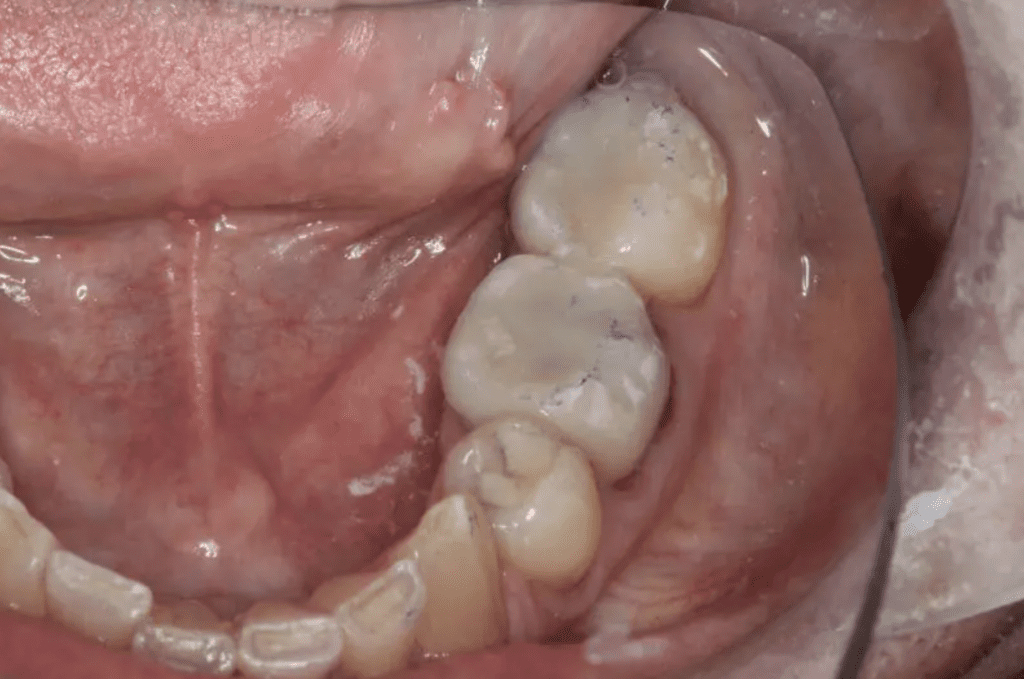
dentist checking patient for fremitus

What is Fremitus and Why Should You Check For It?

By: Dr. Leonard A. Hess, DDSClinical Director, The Dawson AcademyThis article originally appeared on TheDawsonAcademy.com, Dr. Hess allowed igniteDDS to…
Read More
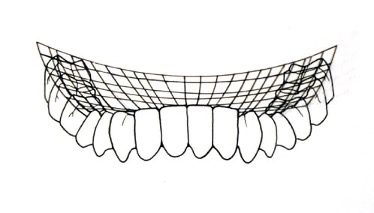
prepping second molars

Dentist Education: How Do I Predictably Prep Second Molars?

By: Dr. Leonard A. Hess, DDSClinical Director, The Dawson AcademyArticle originally appeared on TheDawsonAcademy.com, Dr. Hess allowed…
Read More
Sequencing a Full-Mouth Rehab: Anterior or Posteriors First?

Sequencing a Full-Mouth Rehab: Anterior or Posteriors First?

The correct sequence to begin a full-mouth rehab is tobegin with the anterior teeth first, particularly the…
Read More
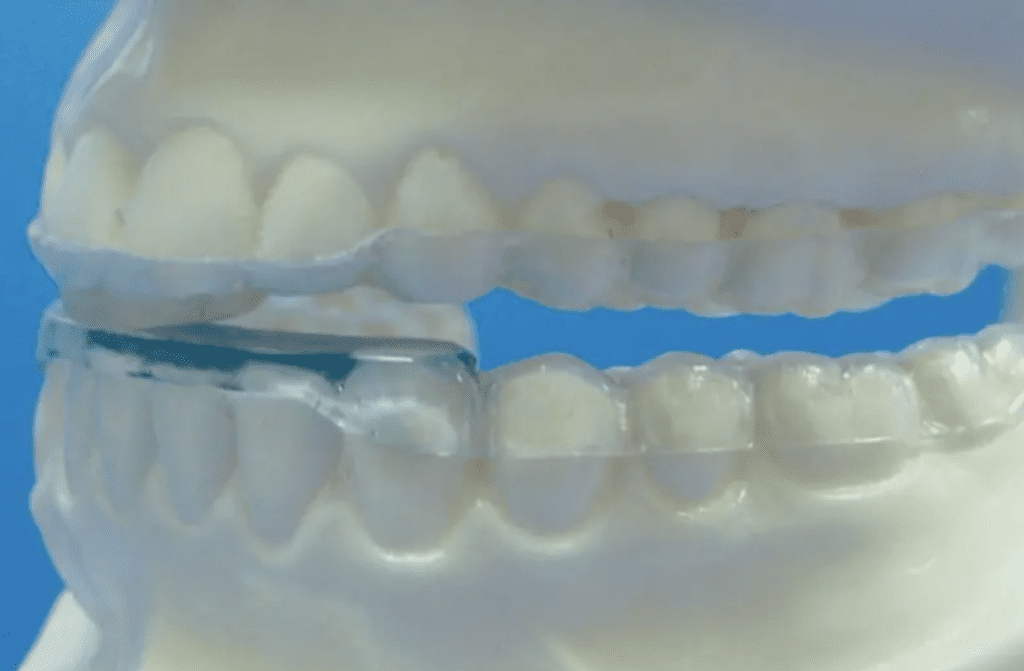
patients who have more pain after wearing a b-splint

Q&A with Dr. Hess: Patients Who Have More Pain After Wearing a B-Splint

By: Dr. Leonard A. Hess, DDSClinical Director, The Dawson AcademyThe Article Originally Appeared on TheDawsonAcademy.com Question: What…

Read More

Valentine’s Day Gift Ideas for The Dental Professional

By lucas.shapiro | January 18, 2023

By: Lucas Shapiro Tired of giving the same old gift or chocolate and flowers to the people that matter most in your life for Valentine’s Day? Everyone does enjoy chocolate and that’s totally fine as long as it’s in moderation and you brush and floss afterward. IgniteDDS has created a Valentine’s Dental Gift Guide to…

Dentistry as Public Health

By Mohammed Hammoud | January 17, 2023

By: Mohammed Hammoud I’m Mohammed Hammoud, a third-year student at the LECOM School of Dentistry with a passion for dentistry as an issue of public health and social well-being. Before Dental School Before dental school, I worked with a public health organization and shadowed a dentist running a clinic in South Africa. It was a…

Geographic Success and the Transition to the Real World of Dentistry

By Dr. Cory Ball | January 9, 2023

By: Cory Ball You just got your final faculty check for a restorative appointment in the clinic. Your patient is thrilled to finally leave the dental school after a three-hour appointment to fix a cavity. Yes, that’s right. One filling. 4DO. You’re an early D3 dental student and this is among the first dozen or…

Communicating in Difficult Situations: Part 1

By Savanah Craig | January 5, 2023

By: Savanah Craig If you work in the dental profession long enough, you’ll encounter patients who might get labeled as difficult for some of their requests in a dental chair. These annoyances range from refusing to swallow their own saliva, questioning the need for radiographs, or refusing fluoride treatment. Many dentists, hygienist, and dental assistants…

General Dentist vs. Dental Specialist

By Dr. Cory Ball | January 3, 2023

By: Dr. Cory Ball 12 years of grade school, 4 years of undergraduate studies, maybe a master’s program, and 4 years of dental school. Now you are debating on doing more school? Do you want to be a general dentist or go on to do a specialty in orthodontics, oral surgery, pediatrics, endodontics, periodontics, etc?…

New Dentist: Your First Paycheck Arrives, Now What?

By Dr. Cory Ball | December 27, 2022

By: Dr. Cory Ball Dental school is a busy time for most aspiring clinicians. Between studying for courses, practicing in preclinic, then managing the patient pool in the final years, most students have a tough time finding additional hours in a day to have a part-time job to make money. And those students who do have…

Don’t Look Back, Look Forward to Paying Off Dental School Student Loans

By Dr. Cory Ball | December 27, 2022

By: Dr. Cory Ball The average student loan debt for a graduating dental student in 2020 was over $300,000. During school, students can easily fall into a mindset of forgetting about the loans and focusing on other things. The problem with that is when the time comes to start making payments, it can be overwhelming…

The Transition to a Dental Faculty Position

By Tanya Sue Maestas, DDS | December 20, 2022

By: Tanya Sue Maestas Hi, I’m Tanya Sue Maestas. I’ve recently taken up a faculty position at the new dental school in El Paso, Texas – Woody L Hunt School of Dental Medicine. Alongside being a clinician in a public health setting, I have found being a faculty member to be incredibly rewarding — so…

Choice of Operating Entity: Which is Best for You?

By Bruce Bryen | December 19, 2022

By: Bruce Bryen What is the choice of operating entity for the dentist ready to go out on his or her own to acquire or start up his or her own practice? There are many different types of organizational structures for young dentists to consider when they are ready to go out and acquire or…

You Dreamed of Being Where You Are Now

By Savanah Craig | December 15, 2022

By: Savanah Craig I was inspired by the latest Instagram trend showing a thought or doubt you have about yourself, followed by a photo of your younger self who could only dream of being in your shoes today. I think this trend is really powerful because it is so easy to look ahead and keep…