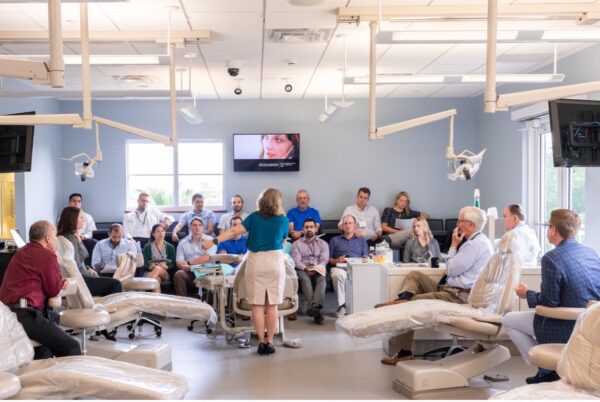

Dr. Leonard Hess, DDS

Dr. Leonard Hess, DDS

Dr. Leonard Hess began teaching continuing education courses in 2005, and the topics include occlusion, smile design, treatment planning, preparation design, and practice integration of complete dentistry.

He’s taught full-day continuing education courses at the American Academy of Cosmetic Dentistry’s national meeting, The Greater New York Dental Meeting, AACD National Meeting, Pacific Dental Conference, Ontario Dental Association meeting, and The Yankee Dental Conference.

Dr. Hess also has taught courses in Japan, Germany, Poland, China, and Canada.

Dr. Hess is currently serving as the Senior Clinical Director at The Dawson Academy. He also owns Union County Center for Comprehensive Dentistry in Charlotte, North Carolina.
dawson academy complete dental examinations

Complete Examinations in Dentistry

By: Dr. Leonard A. Hess, DDSClinical Director, The Dawson AcademyThe Article Originally Appeared on TheDawsonAcademy.com. Dr. Hess…

Read More
how to track key dental practice performance metrics

How To Track Key Dental Practice Performance Metrics

By: Dr. Leonard A. Hess, DDSClinical Director, The Dawson AcademyThe Article Originally Appeared on TheDawsonAcademy.com Measure What’s…

Read More
phone greeting tips for dental offices

Top Phone Greeting Tips for Dental Practices

By: Dr. Leonard A. Hess, DDSClinical Director, The Dawson AcademyThe Article Originally Appeared on TheDawsonAcademy.com In today’s…

Read More

How to Master a Complete Dental Examination

By: Dr. Leonard A. Hess, DDS, Clinical Director, The Dawson AcademyThis article originally appeared on TheDawsonAcademy.com, Dr….
Read More
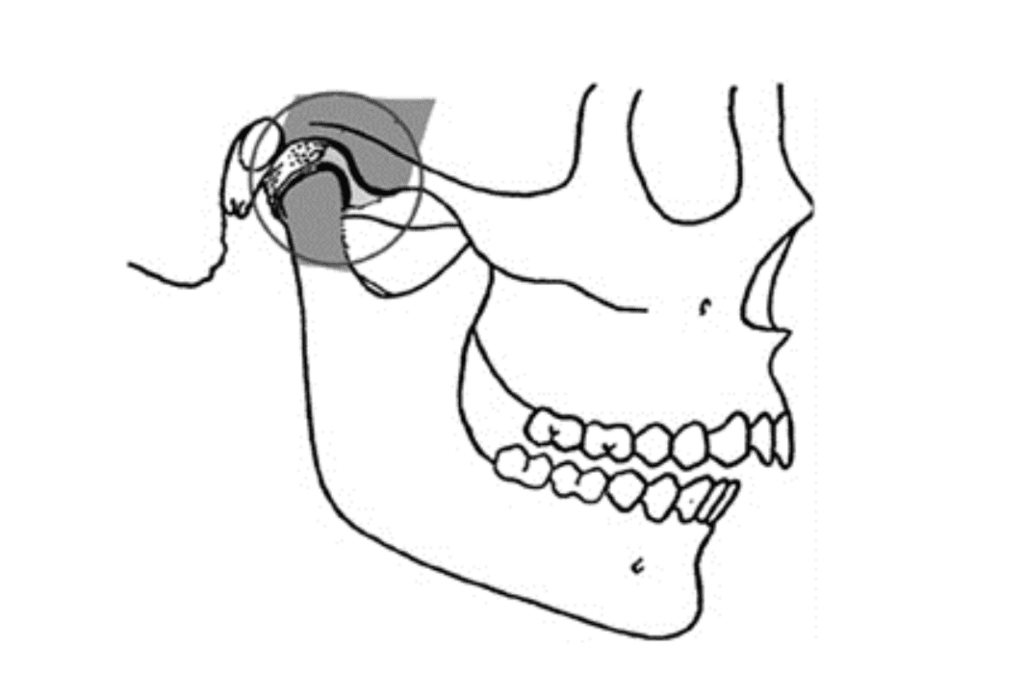
How Do You Know If You Achieved Centric Relation? By: Dr. Leonard A. Hess, DDS Clinical Director, The Dawson Academy This article originally appeared on TheDawsonAcademy.com, Dr. Hess allowed igniteDDS to share with our readers. When we talk about utilizing bimanual manipulation as a way to get centric relation, one of the biggest misunderstandings we see is the tendency for dentists to think CR is achieved by forcing the jaw back to seat the condyles. When we are in a situation where we have a tight patient, or patients that are resisting, the worst thing we can do is force it. Bimanual manipulation provides verification of: The correctness of the physiologic position The alignment of the condyle-disk assembly The integrity of the articular surfaces Steps to Achieving Centric Relation Recline the patient so your arms are parallel to the floor and their chin is pointing up. Stabilize the patient’s head by cradling it between your rib cage and forearm. It is essential that the head be stabilized with a firm grip so it will not move when the mandible is being manipulated. Lift the patient’s chin to slightly stretch the neck, keeping your forearms parallel to the floor. Gently position the four fingers of each hand on the lower border of the mandible. The little finger should be slightly behind the angle of the mandible. The pads of your fingers should align with the bone and stay together as if you were going to lift the head. Bring the thumbs together to form a C with each hand. The thumbs should fit in the notch above the symphysis. Remember, NO PRESSURE should be applied. With a gentle touch, and with almost zero pressure from your hands, have the patient slowly hinge open and closed in rotation (an arc of 1-2mm is acceptable), never letting the teeth touch. Do not jiggle or load the joint at this point. The whole idea here is to let the condyles go to where they physiologically want to be – properly seated in each fossa. When the hinge movement is consistent, the mandible will retrude automatically and you should feel the jaw go back. At that point, hold the jaw firmly on that hinge point. With proper hand placement, there is a torque effect from the thumbs and fingers that loads the joints in an upward and forward direction. This allows upward pressure to be maintained through the condyles while still allowing them to rotate freely. Load the joint by applying firm (but gentle) pressure UP with the fingers on the back half of the mandible and DOWN with the thumbs in the notch above the symphysis (keeping the teeth separated). Note: Sudden heavy loading can injure retrodiskal tissue and cause considerable pain. Ask the patient, Do you feel any tension or tenderness in either joint? If yes, stop and determine the cause. If no, continue. Increase to moderate pressure, then firm pressure. With each increment of loading, ask the patient, “Do you feel ANY tension or tenderness in either joint?”. If tension or tenderness is experienced at any load interval, stop and determine the cause. The dense vascular connected tissue that makes up the disk will be able to handle enormous pressure through it without any sort of tenderness if you have a properly aligned condyle-disk assembly, and that condyle is completely seated. And if the condyle is seated completely, such that the medial aspect of the condyle is engaged with the medial aspect of the glenoid fossa with a properly inter-closed disk, then there can’t be any stretching of the muscle. What It Looks Like When the Condyle is Not Completely Seated in Centric When you load test, there will be a tension on that lateral pterygoid, and they will feel some tightness or fullness or a pull. Because of this feeling, they’ll have awareness in that joint. If there’s pathology in the joint or an intracapsular problem, they’re likely to have some sort of discomfort or tenderness. But also, remember that as we assess the joint, we’re relying on the totality of the exam; the questions that we ask, the palpation of the muscles, the load testing, the range of motion, doppler analysis, all these things that we do, to develop a visual picture of what’s going on there. But the short answer to, how do you know if you’ve achieved centric relation, is by load testing; by load testing in three pressure increments and making sure there is no tension or tenderness in either joint. If a Patient Has Had a Lower Block, You Can Still Put Them in Centric Relation Anesthesia locking the trigeminal nerve really doesn’t have any effect whatsoever on whether you can achieve centric or not. Those are sensory nerves and we’re not really messing with the motor. The fact is, we’re going to take bilateral manipulation to achieve centric relation, whether they’re numb or not. And the technique is going to be exactly the same. You can actually achieve centric relation even if the patient is asleep. We’ve done a number of bite records while the patients were under Pentathol. It’s exactly the same as when they’re awake. Just remember, when you’re putting a patient in centric relation, it’s the natural physiological hinge of the joint you’re looking for. If you’ve previously taken Core 2: Examination & Records with us, I encourage you to review all the principles in the book (Chapter 9: Determining Centric Relation) and in the manual, as well as what we taught in class. If you haven’t taken the Examination & Records course, we spend a day and a half doing load testing, so that students get very comfortable with the hand position and how to get repeatable precise results.

How Do You Know If You Achieved Centric Relation?

By: Dr. Leonard A. Hess, DDSClinical Director, The Dawson AcademyThis article originally appeared on TheDawsonAcademy.com, Dr. Hess…

Read More
tmj patient

TMJ 101: The Best TMD Treatment Options For Dentists

By: Dr. Leonard A. Hess, DDSClinical Director, The Dawson AcademyThis article originally appeared on TheDawsonAcademy.com, Dr. Hess…

Read More
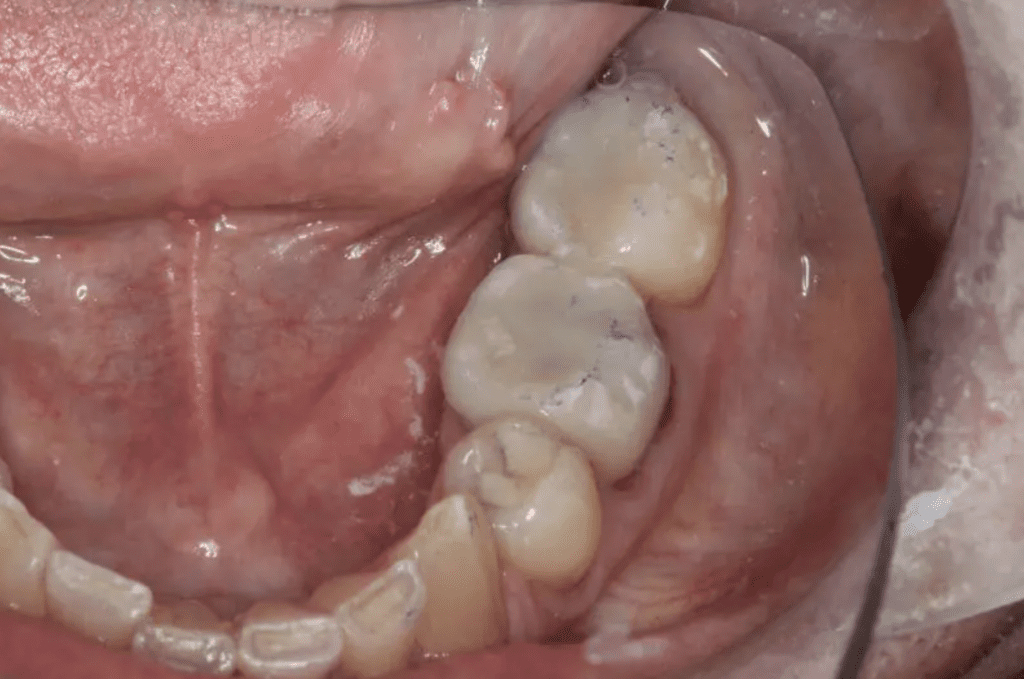
dentist checking patient for fremitus

What is Fremitus and Why Should You Check For It?

By: Dr. Leonard A. Hess, DDSClinical Director, The Dawson AcademyThis article originally appeared on TheDawsonAcademy.com, Dr. Hess allowed igniteDDS to…
Read More
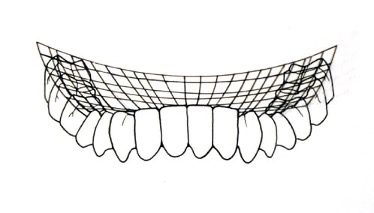
prepping second molars

Dentist Education: How Do I Predictably Prep Second Molars?

By: Dr. Leonard A. Hess, DDSClinical Director, The Dawson AcademyArticle originally appeared on TheDawsonAcademy.com, Dr. Hess allowed…
Read More
Sequencing a Full-Mouth Rehab: Anterior or Posteriors First?

Sequencing a Full-Mouth Rehab: Anterior or Posteriors First?

The correct sequence to begin a full-mouth rehab is tobegin with the anterior teeth first, particularly the…
Read More
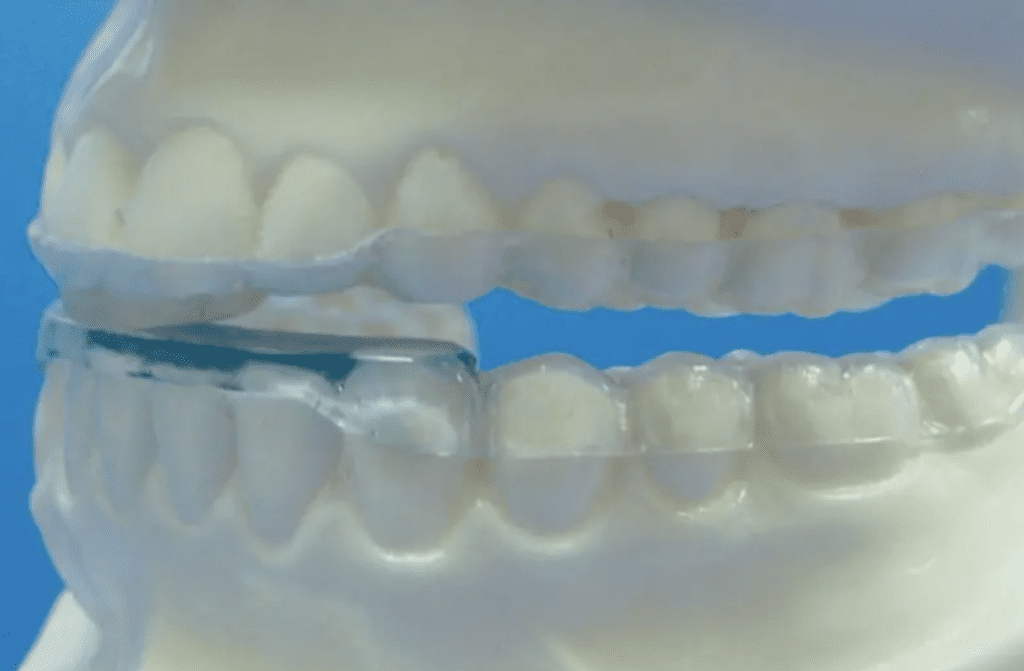
patients who have more pain after wearing a b-splint

Q&A with Dr. Hess: Patients Who Have More Pain After Wearing a B-Splint

By: Dr. Leonard A. Hess, DDSClinical Director, The Dawson AcademyThe Article Originally Appeared on TheDawsonAcademy.com Question: What…

Read More

Dental Fuel Episode 12: Expert Advice with Dr. Shannon Johnson

By Tanya Sue Maestas, DDS | August 18, 2023

In Dental Fuel Episode 12, Dr. Shannon Johnson wraps up our last episode with her by providing some expert advice. If you haven’t met her already, she is a clinical rockstar and an amazing person. We all can learn so much from her and I hope you will get the opportunity to meet her in…

Tips When Looking for a Dental Associate Position

By Dr. Bri Torgerson | August 15, 2023

By: Dr. Bri Torgerson Navigating associate positions can be intimidating. If you’re like me, you can be confused and lost in the vastness of contracts and office nuances that exist for Associate Dentists. I’m excited to walk you through everything I have come across in the many offices I have worked in. I’ll expand on some…

Powerful Connections: How Morning Huddles & Monthly Team Meetings Supercharge Dental Practices

By Dawn Patrick | August 14, 2023

By: Dawn Patrick As a dental practice, the key to success lies not only in providing excellent patient care but also in maintaining efficient operations and fostering a cohesive team environment. Two essential components that contribute to achieving these goals are: These gatherings play a significant role in the overall success of a dental practice…

Dental Fuel Episode 11: Team Mistake with Dr. Shannon Johnson

By Tanya Sue Maestas, DDS | August 11, 2023

Working in teams can be tough! Shannon Johnson knows the ins and outs of working in a team but also working in a practice alone!  In Dental Fuel Episode 11, Shannon talks about some team mistakes that are commonly made and how she has come to appreciate team members in her practice of dentistry. Shannon…

DDS or MRS: Changing Your Name When You Get Married

By Savanah Craig | August 8, 2023

By: Savannah Craig There are seemingly one million different questions to answer and decisions to be made while planning a wedding. You have to make a decision on everything from what types of flowers you want, to who will be invited. As a dentist, doctor, or someone who holds a professional license or publication you…

How to Bring Connected Dentistry into Your Operatory    

By David Rice | August 7, 2023

By: A-dec Connected products are virtually everywhere you look: from fitness trackers to digital doorbells to smart refrigerators. And while most of us don’t use the official, technical term “Internet of Things” (IoT) to describe them, we understand the benefits of choosing a smart product. Surprisingly, while IoT has been utilized in other industries for years,…

Dental Fuel Episode 10: Financial Mistake with Dr. Shannon Johnson

By Tanya Sue Maestas, DDS | August 4, 2023

Dr. Shannon Johnson has wisdom in dentistry and experience in the field. She knows firsthand about financial mistakes and how to overcome them! In Dental Fuel episode 10, she shares just that– a financial mistake and the steps she took to overcome it! 🎙️ Listen to Dental Fuel Episode 10 on Apple Podcasts Dental Fuel…

From Overwhelmed to Empowered: Conquer the Challenges of Buying + Owning a Dental Practice

By David Rice | August 1, 2023

With the Dental Business Mastermind Course:Learn How to Conquer the Challenges of Buying + Owning a Dental Practice By: Dr. David Rice Are you a young dentist looking to take the leap from being an associate to becoming a successful practice owner? Buying a practice is tough. It takes most new dentists months simply to…

Dental Fuel Episode 9: Clinical Mistake with Dr. Shannon Johnson

By Tanya Sue Maestas, DDS | July 28, 2023

Shannon Johnson is in the HOUSE, bringing the DENTAL heat!! A true ROCKSTAR in the dental world and an AMAZING educator, she’s about to BLOW YOUR MIND in this week’s episode as she reveals her clinical mistake, the lessons learned, and how she turned it all around! Shannon Johnson grew up in a small coal…

Is Fluoride Varnish Enough?

By Candy Velez - CRDH, BSDH | July 25, 2023

Discover the Benefits of Fluoride Varnish:A Powerful Dental Treatment for Stronger Teeth & Enhanced Oral Health By: Candy Velez – CRDH, BSDH As a clinical dental hygienist with a decade of experience, I have rarely heard patients ask the question, “Is Fluoride Varnish enough to protect my teeth?” Instead, patients often ask questions like: In…