

Dr. Leonard Hess began teaching continuing education courses in 2005, and the topics include occlusion, smile design, treatment planning, preparation design, and practice integration of complete dentistry.
He’s taught full-day continuing education courses at the American Academy of Cosmetic Dentistry’s national meeting, The Greater New York Dental Meeting, AACD National Meeting, Pacific Dental Conference, Ontario Dental Association meeting, and The Yankee Dental Conference.
Dr. Hess also has taught courses in Japan, Germany, Poland, China, and Canada.
Dr. Hess is currently serving as the Senior Clinical Director at The Dawson Academy. He also owns Union County Center for Comprehensive Dentistry in Charlotte, North Carolina.
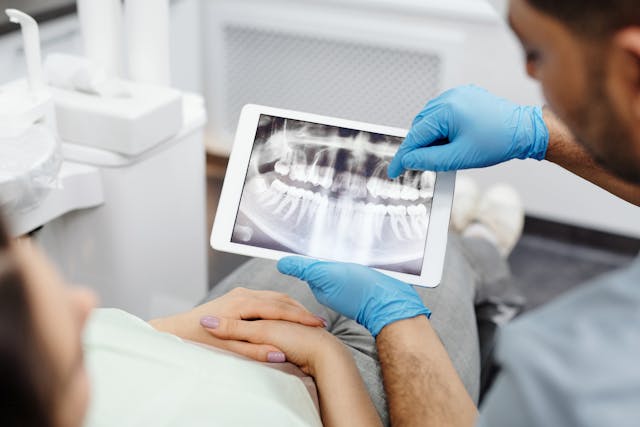
Complete Examinations in Dentistry
By: Dr. Leonard A. Hess, DDSClinical Director, The Dawson AcademyThe Article Originally Appeared on TheDawsonAcademy.com. Dr. Hess…

How To Track Key Dental Practice Performance Metrics
By: Dr. Leonard A. Hess, DDSClinical Director, The Dawson AcademyThe Article Originally Appeared on TheDawsonAcademy.com Measure What’s…

Top Phone Greeting Tips for Dental Practices
By: Dr. Leonard A. Hess, DDSClinical Director, The Dawson AcademyThe Article Originally Appeared on TheDawsonAcademy.com In today’s…
How to Master a Complete Dental Examination
By: Dr. Leonard A. Hess, DDS, Clinical Director, The Dawson AcademyThis article originally appeared on TheDawsonAcademy.com, Dr….
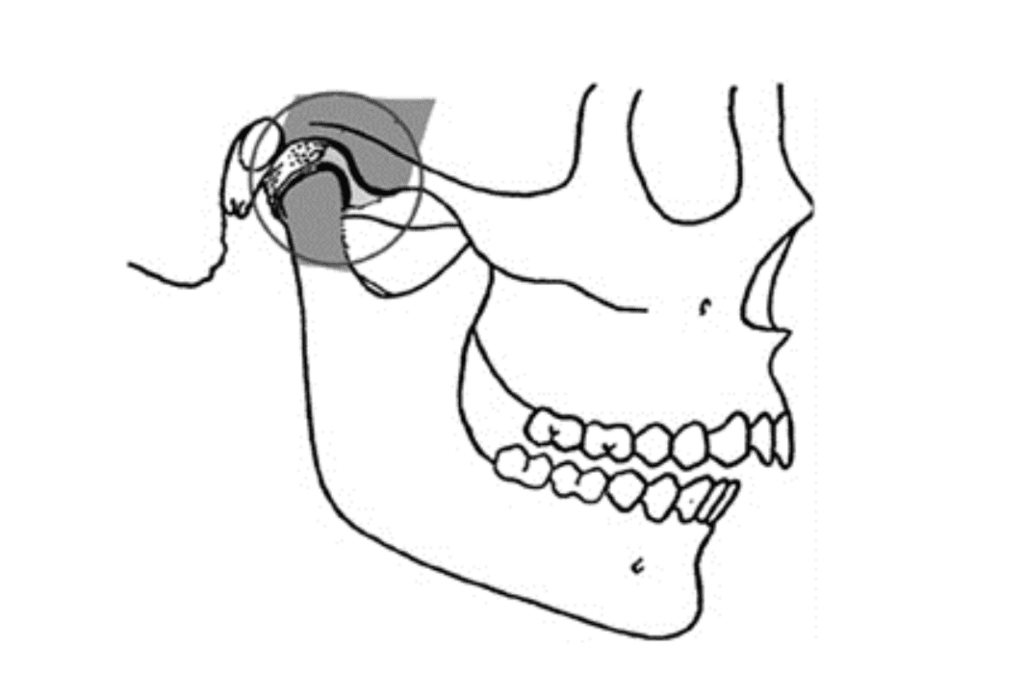
How Do You Know If You Achieved Centric Relation?
By: Dr. Leonard A. Hess, DDSClinical Director, The Dawson AcademyThis article originally appeared on TheDawsonAcademy.com, Dr. Hess…

TMJ 101: The Best TMD Treatment Options For Dentists
By: Dr. Leonard A. Hess, DDSClinical Director, The Dawson AcademyThis article originally appeared on TheDawsonAcademy.com, Dr. Hess…

What is Fremitus and Why Should You Check For It?
By: Dr. Leonard A. Hess, DDSClinical Director, The Dawson AcademyThis article originally appeared on TheDawsonAcademy.com, Dr. Hess allowed igniteDDS to…
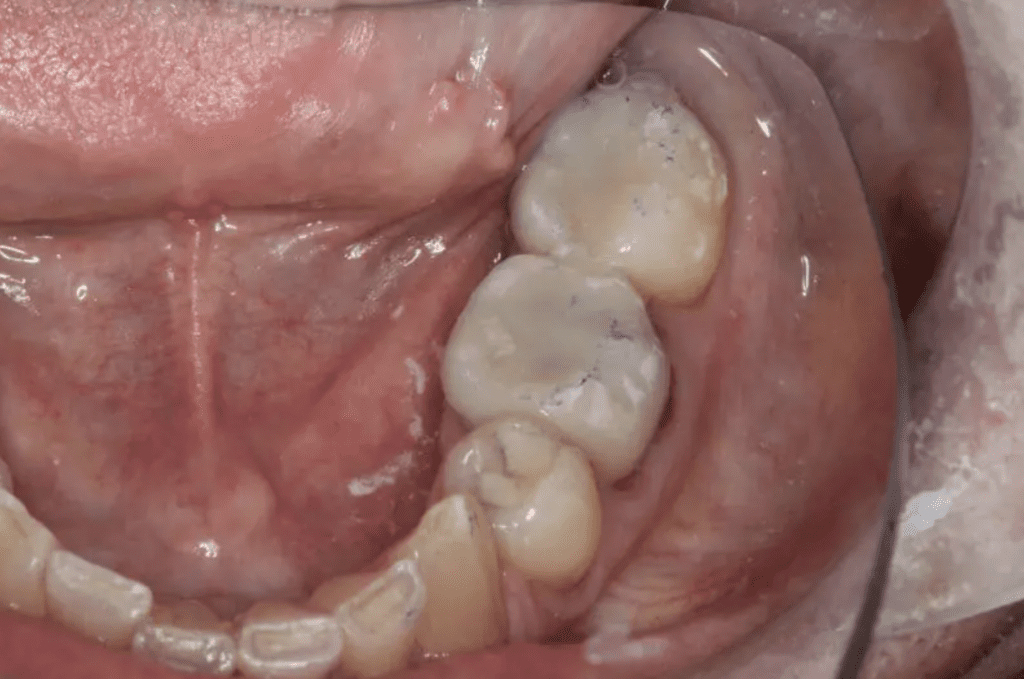
Dentist Education: How Do I Predictably Prep Second Molars?
By: Dr. Leonard A. Hess, DDSClinical Director, The Dawson AcademyArticle originally appeared on TheDawsonAcademy.com, Dr. Hess allowed…
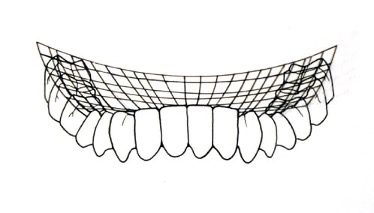
Sequencing a Full-Mouth Rehab: Anterior or Posteriors First?
The correct sequence to begin a full-mouth rehab is tobegin with the anterior teeth first, particularly the…
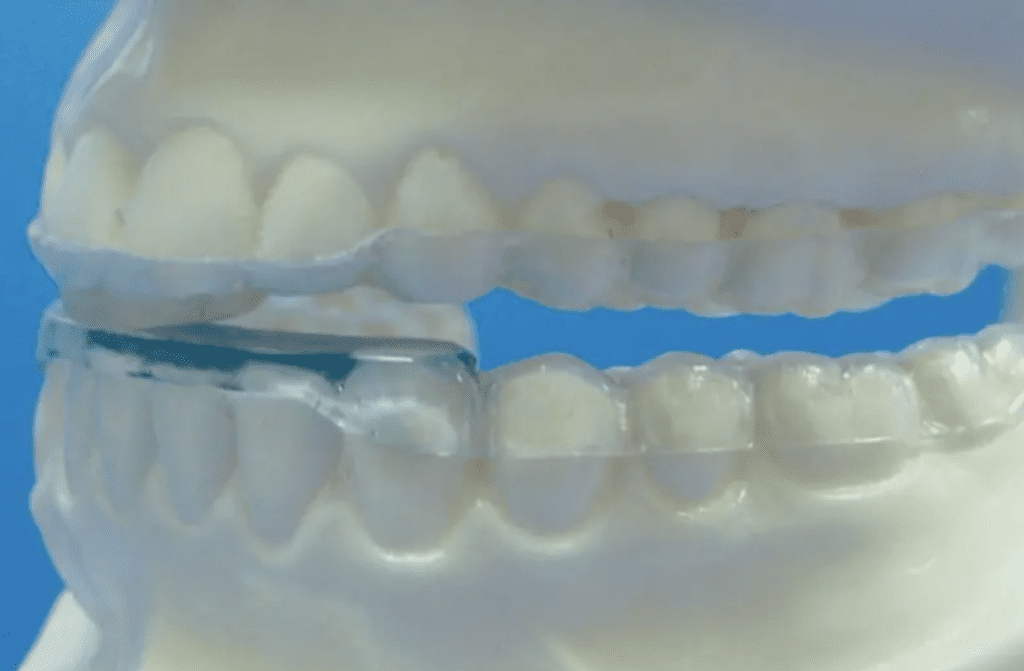
Q&A with Dr. Hess: Patients Who Have More Pain After Wearing a B-Splint
By: Dr. Leonard A. Hess, DDSClinical Director, The Dawson AcademyThe Article Originally Appeared on TheDawsonAcademy.com Question: What…

The Index Technique: New No-Prep Approach for Worn Dentition
By: Riccardo Ammannato, DDSThis Topic Originally Appeared on PankeyGram.Org. Dr. Ammannato granted permission for igniteDDS to share with our readers. The goal of treating severely worn teeth is to improve the smile appearance and extend the function of the teeth. To ensure patient comfort and health, achieving stable posterior occlusion and efficient anterior guidance is…

Lifelong Learning and Work-Life Balance in Dentistry: Insights from Chad Duplantis
Host: Dr. Tanya Sue MaestasGuest: Dr. Chad DuplantisEdited By: Candy Velez CRDH The world of dentistry is ceaselessly evolving, demanding continuous education and an acute awareness of work-life balance. Chad Duplantis, a seasoned dental professional, shares vital wisdom that transcends the operatory. Duplantis’s dialogue with Tanya Sue Maestas offers a holistic approach necessary for a…

Ecosite One by DMG Review – with Dr. David Rice
By: Dr. David Rice Ecosite One by DMG, guys, this is a very cool composite I just reviewed. Watch my quick video below or read on for more details. Key Takeaways: Ecosite One is ideal for class ones, twos, and fives. It’s also pretty versatile, meaning we can use it for very conservative preps, all…

Essential KPIs for Start-Up Dental Practices
By: Dawn Patrick, Dental Coach and Director of Operations, IgniteDDS Tracking and measuring KPIs in your dental practice isn’t just a nice-to-have; it’s essential for growth and sustainability. By focusing on key metrics like new patient acquisition, retention rates, and production efficiency, you can identify areas for improvement and drive your practice toward success. Let…

4 Main Reasons I Always Use Desensitizers Before Tooth Prep
By: Lee Ann Brady DMDTopic Originally Appeared on PankeyGram.Org. Dr. Brady granted permission for igniteDDS to share with our readers. One of the most common questions I get is about the use of a category of materials we refer to as desensitizers, prep scrubs, or prep wetting agents. The question is usually do they actually…
Crafting Cohesion: The Crucial Elements of Team Building in Dentistry with Dr. Chad Duplantis
Host: Dr. Tanya Sue MaestasGuest: Dr. Chad DuplantisEdited By: Candy Velez CRDH Building a successful dental practice extends beyond clinical excellence; it thrives on cultivating a cohesive team that fully embraces the practice’s vision and culture. In a podcast with Dr. Chad Duplantis, he shares his experiences and insights on team dynamics, highlighting the challenges…

Discipline & Accountability: The Key to a High-Performing Dental Team
By: Dawn Patrick, Dental Coach and Director of Operations, IgniteDDS In today’s competitive dental industry, delivering top-quality care to patients requires more than clinical expertise. It requires a cohesive, disciplined, and accountable team that works seamlessly together to achieve the practice’s goals. Teams that embrace these values not only provide exceptional patient experiences but also…

Complete Examinations in Dentistry
By: Dr. Leonard A. Hess, DDSClinical Director, The Dawson AcademyThe Article Originally Appeared on TheDawsonAcademy.com. Dr. Hess granted permission for igniteDDS to share with our readers. Whether you’re a seasoned veteran in the dental industry or just starting on your journey, one thing is for sure: complete examinations have become a cornerstone of modern dentistry….

New Year’s Resolutions for Dentists: Get a Head Start Before the Year’s End
By: Todd Doobrow, CFP As the year winds down and we gear up for the holidays, many of us start thinking about New Year’s resolutions. For dentists, this is a great time to reflect on personal and professional goals, especially since the final weeks of the year can often be the most hectic. Instead of…

Dental Phobia & Anxiety: Helping Patients Overcome
By: Dr. Savanah Craig A phobia is defined as an intense, irrational, and persistent fear of a specific object, situation, or activity that poses little to no actual danger. Fear of the dentist or dental phobia is no different and, in my experience, most patients know that their fears are irrational. However, the intensity of…