

Dr. Leonard Hess began teaching continuing education courses in 2005, and the topics include occlusion, smile design, treatment planning, preparation design, and practice integration of complete dentistry.
He’s taught full-day continuing education courses at the American Academy of Cosmetic Dentistry’s national meeting, The Greater New York Dental Meeting, AACD National Meeting, Pacific Dental Conference, Ontario Dental Association meeting, and The Yankee Dental Conference.
Dr. Hess also has taught courses in Japan, Germany, Poland, China, and Canada.
Dr. Hess is currently serving as the Senior Clinical Director at The Dawson Academy. He also owns Union County Center for Comprehensive Dentistry in Charlotte, North Carolina.
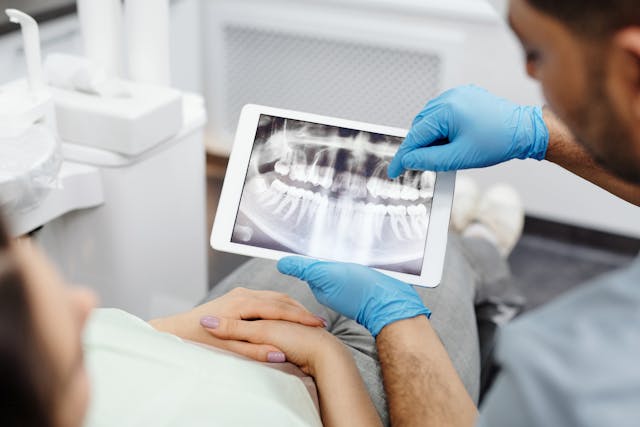
Complete Examinations in Dentistry
By: Dr. Leonard A. Hess, DDSClinical Director, The Dawson AcademyThe Article Originally Appeared on TheDawsonAcademy.com. Dr. Hess…

How To Track Key Dental Practice Performance Metrics
By: Dr. Leonard A. Hess, DDSClinical Director, The Dawson AcademyThe Article Originally Appeared on TheDawsonAcademy.com Measure What’s…

Top Phone Greeting Tips for Dental Practices
By: Dr. Leonard A. Hess, DDSClinical Director, The Dawson AcademyThe Article Originally Appeared on TheDawsonAcademy.com In today’s…
How to Master a Complete Dental Examination
By: Dr. Leonard A. Hess, DDS, Clinical Director, The Dawson AcademyThis article originally appeared on TheDawsonAcademy.com, Dr….
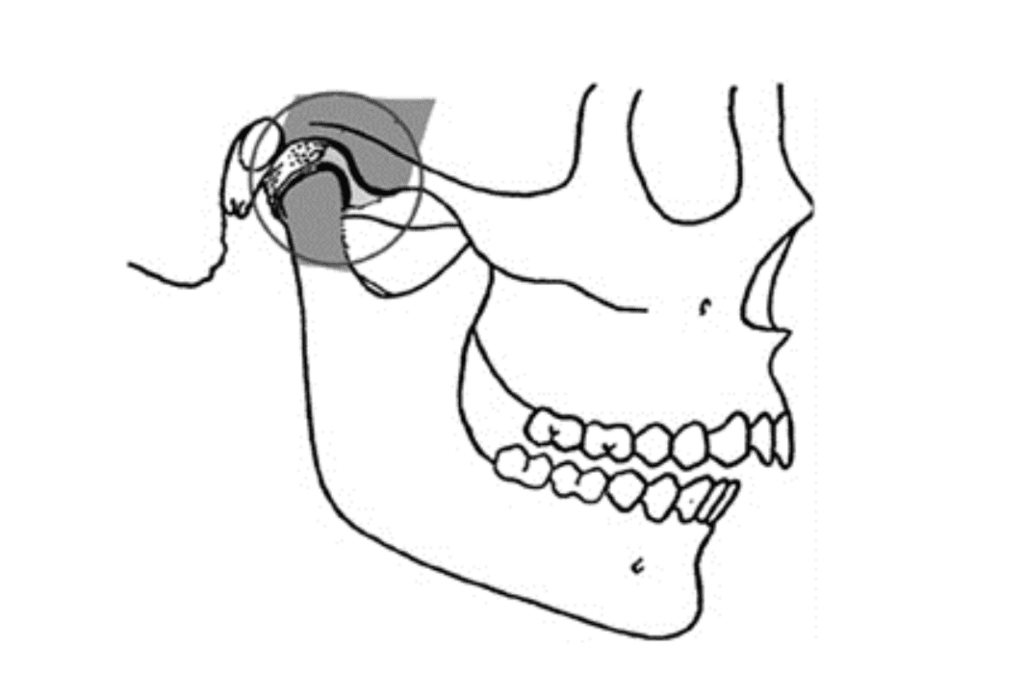
How Do You Know If You Achieved Centric Relation?
By: Dr. Leonard A. Hess, DDSClinical Director, The Dawson AcademyThis article originally appeared on TheDawsonAcademy.com, Dr. Hess…
TMJ 101: The Best TMD Treatment Options For Dentists
By: Dr. Leonard A. Hess, DDSClinical Director, The Dawson AcademyThis article originally appeared on TheDawsonAcademy.com, Dr. Hess…

What is Fremitus and Why Should You Check For It?
By: Dr. Leonard A. Hess, DDSClinical Director, The Dawson AcademyThis article originally appeared on TheDawsonAcademy.com, Dr. Hess allowed igniteDDS to…
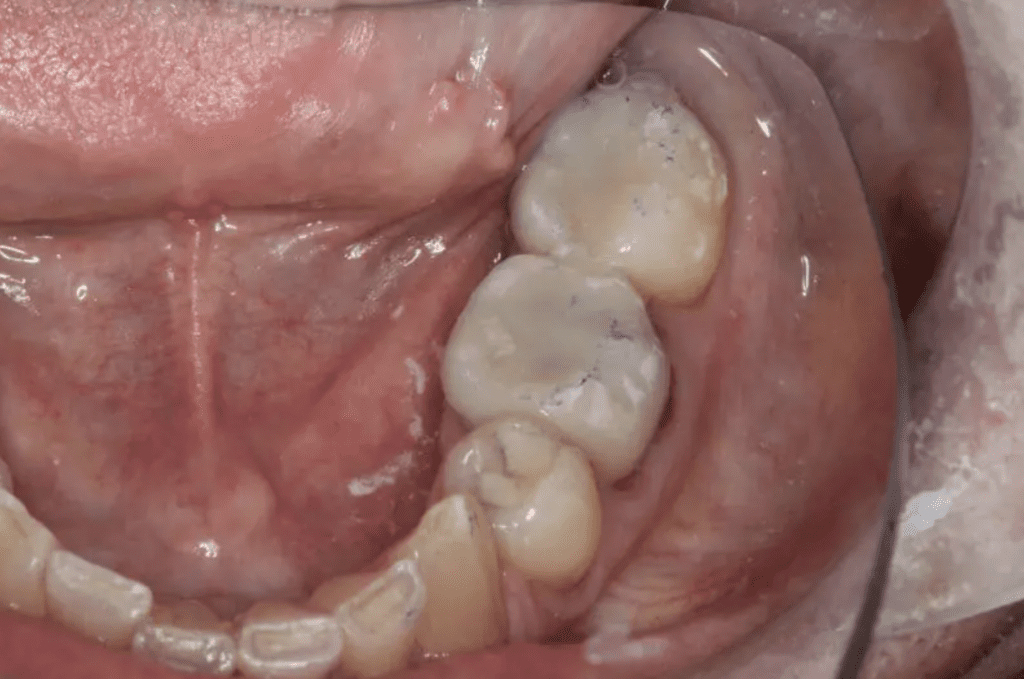
Dentist Education: How Do I Predictably Prep Second Molars?
By: Dr. Leonard A. Hess, DDSClinical Director, The Dawson AcademyArticle originally appeared on TheDawsonAcademy.com, Dr. Hess allowed…
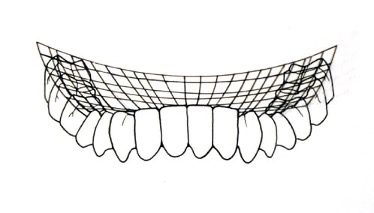
Sequencing a Full-Mouth Rehab: Anterior or Posteriors First?
The correct sequence to begin a full-mouth rehab is tobegin with the anterior teeth first, particularly the…
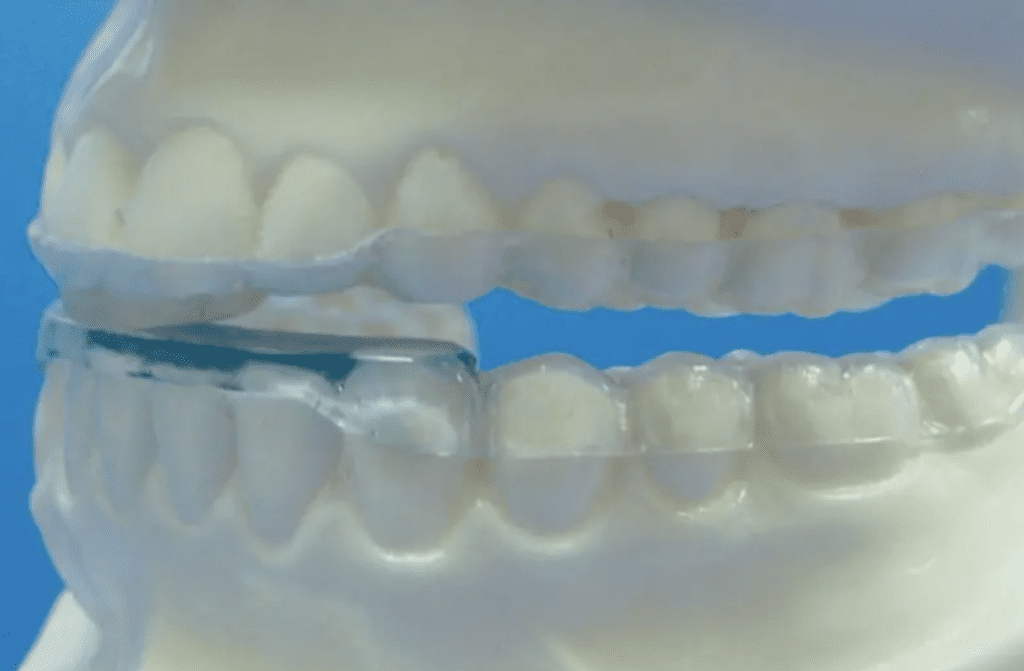
Q&A with Dr. Hess: Patients Who Have More Pain After Wearing a B-Splint
By: Dr. Leonard A. Hess, DDSClinical Director, The Dawson AcademyThe Article Originally Appeared on TheDawsonAcademy.com Question: What…

Accurate X-Ray Records: Best Practices for Dental Teams
By: Laura S. Harkin, DMD This Topic Originally Appeared On Pankeygram.Org Radiographic imaging is an important diagnostic aid tool in dentistry, along with clinical examination. They help clinicians identify many pathologies, abnormalities, and tooth-related problems that can’t be seen during patient examinations. Therefore, accurate capturing and interpreting of X-ray records is critical for accurate diagnosis and…

Silent Sabotage: Uncover and Prevent Embezzlement in Your Dental Practice
By: Dawn Patrick, Dental Practice Coach + Director of Operations IgniteDDS Embezzlement is a risk that no dental practice owner can afford to overlook. While you may trust your team, the unique dynamics of dental offices—where small teams handle large cash flows—make them particularly vulnerable to internal fraud. Studies indicate that up to 60% of…

Navigating the Financial Landscape of Dentistry from Student Loans to Ownership: with Dr. Gabriella Flores
Host: Dr. Tanya Sue MaestasGuest: Dr. Gabriela FloresEdited By: Candy Velez CRDH Dentistry is more than just a clinical profession; it involves navigating a complex financial landscape that one must master to build a successful career. In a recent discussion on Dental Fuel, seasoned professionals Dr. Tanya Sue Maestas and Dr. Gabriela Flores share their…
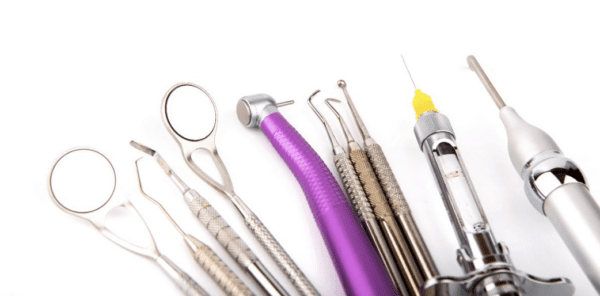
Performing High Accuracy Periodontal Probing & Calibration
By: Sheri Kay RDHTopic Originally Appeared on PankeyGram.org. Dr. Kay granted permission for igniteDDS to share with our readers. Periodontal probing helps us to evaluate the health of the gingiva and the surrounding periodontium. A key component of doing an accurate assessment is the quality of your perio probes, which locate and measure the depth…

Delayed Gratification and Finances
By: Dr. Savanah Craig Finances have always felt like a hot topic from the time I got my acceptance to dental school. From student loans to the cost of living; job offers to buying a home, it feels like someone is always giving advice about finances. Ironically for as much advice and information that was…

How Dental Insurance Claims are Processed for Reimbursement (Importance of Proper Narratives)
By: Angela Holland Dental insurance claims are a fundamental part of any dental practice’s revenue cycle. However, the process of getting reimbursed for services rendered can be complex, time-consuming, and often frustrating if not handled properly. One of the most crucial components of a successful claim is the narrative—the detailed explanation of why a particular…

How Dentists Can Save Lives Through Dental Sleep & Airway Education, Emphasizing Oral Systemic Health
By: DeWitt Wilkerson, DMDThe Article Originally Appeared on TheDawsonAcademy.com. Dr. Wilkerson granted permission for igniteDDS to share with our readers. Dental professionals have long known that the mouth is a gateway to overall health – what happens within the oral cavity can have a direct impact on the rest of the body. And as oral health…
Navigating the Unpredictable Path of Early Dental Practice Ownership with Dr. Gabriela Flores
Host: Dr. Tanya Sue MaestasGuest: Dr. Gabriela FloresEdited By: Candy Velez CRDH The journey into dental practice ownership is as daunting as it is rewarding, particularly for those stepping into it soon after dental school. Dr. Gabriela Flores shares her experience of navigating this complex landscape, offering invaluable insights that resonate with dental professionals and…

Help! My Dental Assistant Is Always Missing When I Need Them
By: Ronda Holman It’s a familiar and frustrating scenario: You, the Dentist, are ready to seat the next patient but your dental assistant is missing. Time ticks away, the schedule begins to fall apart, and frustration grows—only to find the assistant casually chatting in the lab or taking an unscheduled break. This situation not only…

The Practice Profit Plan: Steps to Achieve Financial Freedom & Growth
By: Dawn Patrick, Dental Coach and Director of Operations, IgniteDDS Managing a dental practice is more than providing quality patient care. To achieve long-term success, dentists must also focus on financial health—both within their practice and personally. This roadmap offers actionable steps to maximize profitability while maintaining balance in life and business. Step 1: Set…