

Dr. Leonard Hess began teaching continuing education courses in 2005, and the topics include occlusion, smile design, treatment planning, preparation design, and practice integration of complete dentistry.
He’s taught full-day continuing education courses at the American Academy of Cosmetic Dentistry’s national meeting, The Greater New York Dental Meeting, AACD National Meeting, Pacific Dental Conference, Ontario Dental Association meeting, and The Yankee Dental Conference.
Dr. Hess also has taught courses in Japan, Germany, Poland, China, and Canada.
Dr. Hess is currently serving as the Senior Clinical Director at The Dawson Academy. He also owns Union County Center for Comprehensive Dentistry in Charlotte, North Carolina.
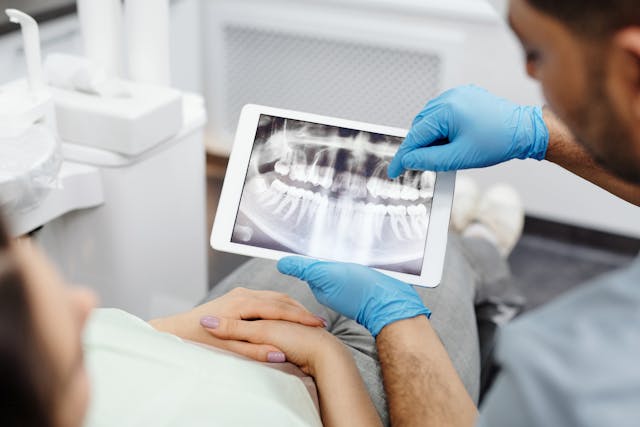
Complete Examinations in Dentistry
By: Dr. Leonard A. Hess, DDSClinical Director, The Dawson AcademyThe Article Originally Appeared on TheDawsonAcademy.com. Dr. Hess…

How To Track Key Dental Practice Performance Metrics
By: Dr. Leonard A. Hess, DDSClinical Director, The Dawson AcademyThe Article Originally Appeared on TheDawsonAcademy.com Measure What’s…

Top Phone Greeting Tips for Dental Practices
By: Dr. Leonard A. Hess, DDSClinical Director, The Dawson AcademyThe Article Originally Appeared on TheDawsonAcademy.com In today’s…
How to Master a Complete Dental Examination
By: Dr. Leonard A. Hess, DDS, Clinical Director, The Dawson AcademyThis article originally appeared on TheDawsonAcademy.com, Dr….
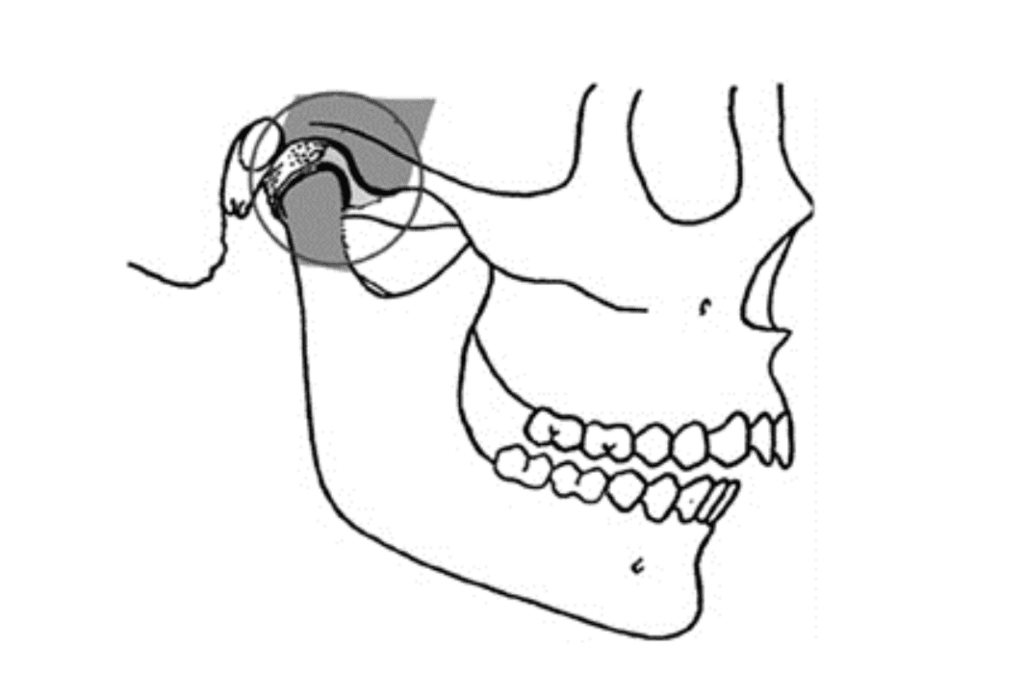
How Do You Know If You Achieved Centric Relation?
By: Dr. Leonard A. Hess, DDSClinical Director, The Dawson AcademyThis article originally appeared on TheDawsonAcademy.com, Dr. Hess…

TMJ 101: The Best TMD Treatment Options For Dentists
By: Dr. Leonard A. Hess, DDSClinical Director, The Dawson AcademyThis article originally appeared on TheDawsonAcademy.com, Dr. Hess…

What is Fremitus and Why Should You Check For It?
By: Dr. Leonard A. Hess, DDSClinical Director, The Dawson AcademyThis article originally appeared on TheDawsonAcademy.com, Dr. Hess allowed igniteDDS to…
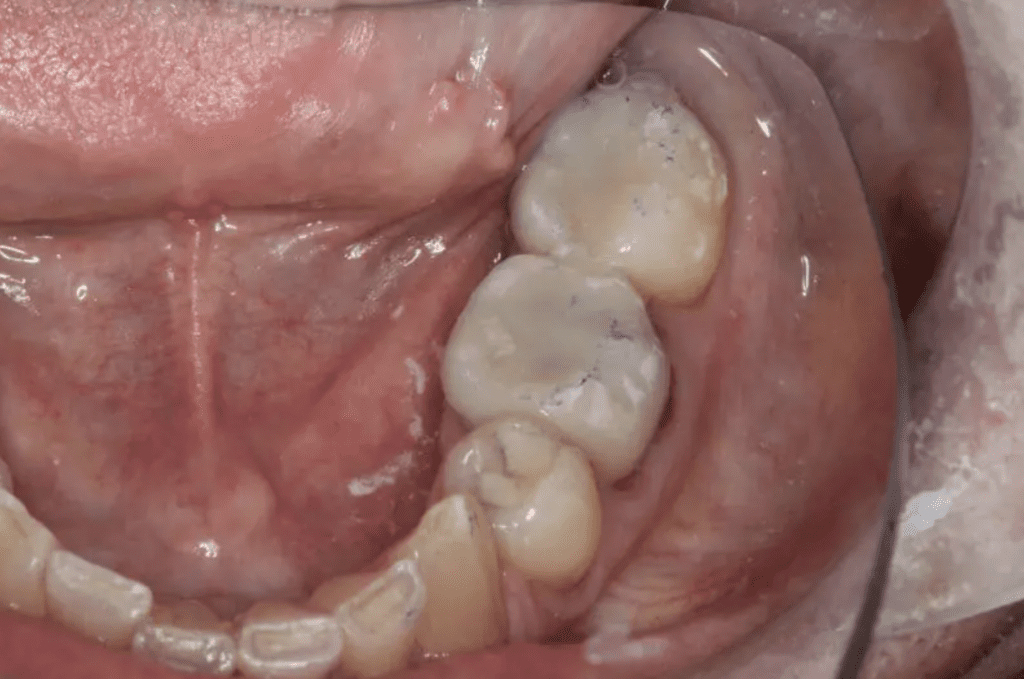
Dentist Education: How Do I Predictably Prep Second Molars?
By: Dr. Leonard A. Hess, DDSClinical Director, The Dawson AcademyArticle originally appeared on TheDawsonAcademy.com, Dr. Hess allowed…
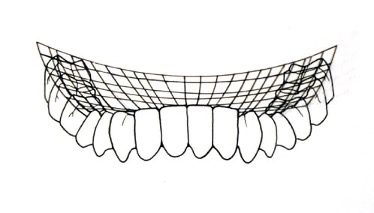
Sequencing a Full-Mouth Rehab: Anterior or Posteriors First?
The correct sequence to begin a full-mouth rehab is tobegin with the anterior teeth first, particularly the…
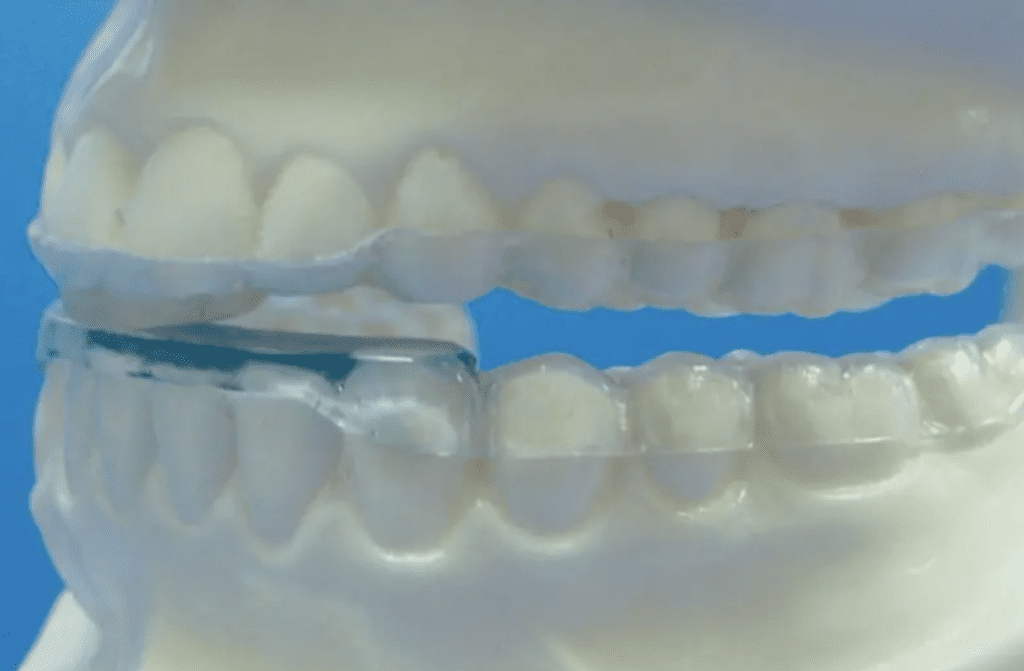
Q&A with Dr. Hess: Patients Who Have More Pain After Wearing a B-Splint
By: Dr. Leonard A. Hess, DDSClinical Director, The Dawson AcademyThe Article Originally Appeared on TheDawsonAcademy.com Question: What…

First Practice? Get Savings, Support for a ‘Smart Start’
By: A-decTopic originally appeared on DentalProductShopper.com, they granted permission for igniteDDS to share with our readers. A-dec program offers equipment savings, expert guidance, and complimentary services to ensurefirst-time practice owners get off to a smooth start Struggling with a lengthy wish list of equipment for your first practice? For many dentists, it’s an experience that likely…

Stop the Revolving Door: Rethink Your Onboarding Strategy
By: Dawn Patrick, Dental Practice Coach + Director of Operations IgniteDDS In a busy dental practice, it’s easy to assume a new hire will “figure things out” after a few shadowing shifts. But that’s a fast track to burnout—for the new team member and for the team trying to train them on the fly. Onboarding…

Relationship-Based Dental Practices: Avoiding Judgmental Stories About Patients
By: Michael Rogers, DDSThis Topic Originally Appeared on PankeyGram.Org. Dr. Rogers granted ignitedds permission to share with our readers. Near my dental office, there’s a small strip center that includes a realty group and a small church that creates a significant daily line of cars that go through a drive-through window. Cars line up waiting…

Understanding Dental Insurance Third-Party Administrators: How They Benefit and Hinder Your Practice
By: Angela Holland Dental insurance third-party administrators (TPAs) play a significant role in managing insurance claims and processing reimbursements between dental practices and insurance companies. TPAs are third-party entities hired by insurance companies, employers, or health plans to manage dental insurance plans and the claims process. Their goal is to streamline the administrative side of…

Class I Preparation and Restoration: High-Yield Guide for D1 Students
By: Michael Eid As a D1 student, learning the fundamentals of cavity preparations in sim lab is your first step toward clinical success. This guide will help you bridge the gap between lab exercises and real patient care by teaching you how to think clinically from day one. You’ll gain insights on handpiece control, bur…

Sometimes the Best Treatment is None At All
By: Dr. Savanah Craig One of the biggest contributors to burnout in dentists, in my opinion, comes from decision fatigue. Constantly we are faced with our patients’ problems that we did not create and are expected to find a solution to this problem. We must evaluate the problem, excavate possible causes for this issue, determine…

Authenticity in Dentistry: Embracing Personal Integrity for Professional Growth
By: Paul A. Henny, DDSThis Topic Originally Appeared on PankeyGram.Org. Dr. Henny granted permission for igniteDDS to share with our readers. Clinical efficiency and business systems often take the spotlight. But during all that, it’s easy to overlook something fundamental: your individuality. I love this quote from Ralph Waldo Emerson “Nothing is at last sacred…

5 Secrets to Building Wealth in Dentistry
By: Dr. James Pitts As a practicing Dentist, your career will last around 30-35 years on average. During this time an average Dental Practice will have about $30,000,000 pass through collections. One would think that this would be enough for all Dentists to retire Financially Independent and debt free. However, ADA statistics tell us that…

What’s Keeping Your Dental Assistant from Becoming an EFDA?
By: Ronda Holman If you’ve ever found yourself wishing you had two pairs of hands during a procedure, chances are you’ve already imagined the value of an EFDA—an Expanded Functions Dental Assistant—on your team. So, what’s holding your current assistant back from stepping into that role? For many dental assistants, the barrier isn’t capability—it’s clarity,…
Airway Dentistry: Making a Difference for Patients’ Wellness
By: Steve Carstensen, DDS This Topic Originally Appeared on PankeyGram.Org. Dr. Carstensen granted permission for igniteDDS to share with our readers. “Hypoxic burden” is the challenge that the body faces due to low levels of oxygen on an intermittent basis. Our physiology has an adaptive capacity to manage hypoxic burdens. When that adaptive capacity is exceeded,…