
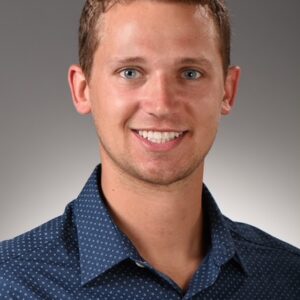
Casey Goetz “Dr. Casey” never planned on being a pediatric dentist. In college, he had ambitions of working as a veterinarian or a physician. One day while working his summer college job at a small engine repair shop, a customer invited Casey to come and shadow him at his local pediatric dental practice. Within 10 minutes of watching the dentist work, Casey knew that pediatric dentistry is what he wanted to do for the rest of his life.
Dr. Casey earned his Doctor of Dental Surgery degree as well as his Certificate of Pediatric Dentistry from the University of Iowa College of Dentistry. He spent two years at the University of Iowa Hospitals and Clinics and the Children’s Hospital of Iowa treating pediatric patients in both a clinical setting and under general anesthesia. After residency, Dr. Casey moved to Troy, Missouri to start Cuivre Creek Pediatric Dentistry.
Dr. Casey is also very comfortable treating patients with special health care needs. Throughout his residency, he received additional training in treating patients with neurodevelopment and related disabilities. Dr. Casey takes pride in treating every patient like he or she was his own, and patients that need a little extra time and attention hold a special place in his heart. He is not afraid to think outside the box and to work with parents to develop oral health strategies that best fit their child’s needs.
Outside of pediatric dentistry, Dr. Casey has a deep passion for hunting and the great outdoors. He loves chasing ducks and pheasants with his Labrador Retriever, Jasmine. In November, you can find him hunting big Missouri whitetail bucks at his family farm in Bowling Green, Missouri. In addition to spending time in the great outdoors, he and his wife Jenna enjoy traveling, going to St. Louis Blues hockey games, and exploring restaurants in the St. Louis area.
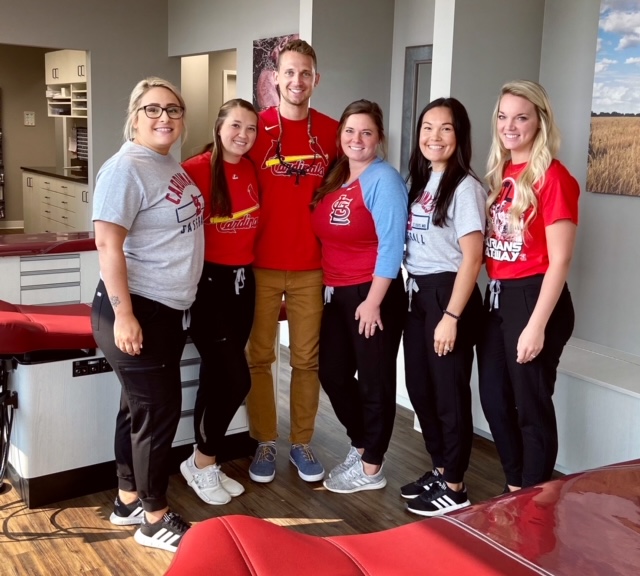
Pediatric Dentistry Start-Up: Cuivre Creek
By: Casey Goetz I knew for years that my ultimate professional goal was to start my own…

Stylohyoid Calcification: Case Study
By: Dr. Jennifer Bell, DDS, FAGD, FICD Have you ever had a patient with stylohyoid calcification? Here is a case study of my experience with it.
Periodontal Infection: Case Study
By: Dr. Jennifer Bell, DDS, FAGD, FICD Have you ever had a patient with a periodontal infection? Here is a case study of my experience with it. Periodontal Infection Patient Information: The patient presented with CC of mobile lower #25 The patient reported mild pain but managing with NSAIDs The patient is concerned that the…
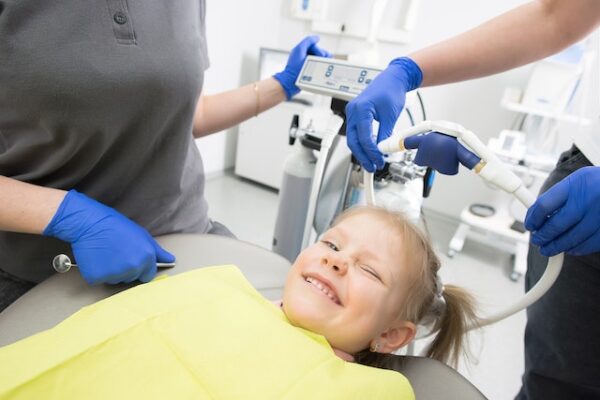
Dental Mobile Outreach Program
By: Chris Casterline My name is Chris Casterline and I’m a general dentist in central Kentucky. I currently direct a mobile dental outreach program at a Federally Qualified Health Center, serving over 20 elementary schools. The schools we target are deemed “Tier 1” schools. To be eligible for this designation, over 50% of their students…

Physical Fitness and Dentistry
By: Savannah Craig When I started dental school we had one lecture on ergonomics and that was it. I was still trying to figure out where to fulcrum to get my bur on the tooth I was working on. I didn’t have time to think about where my knees were positioned or how the focal…
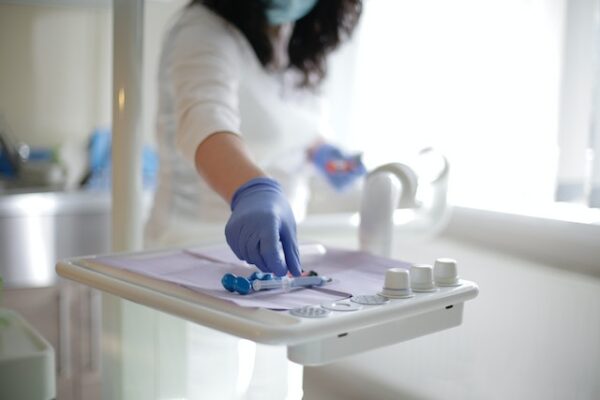
Fractured Tooth: Case Study
By: Dr. Chad Duplantis, D.D.S., F.A.G.D Have you ever had a patient with a fractured tooth? Here is a case study of my experience with it. Fractured Tooth: Patient Information 73-year-old female Healthy Extensive dental work in the past, numerous restorations, hx of trigeminal neuralgia controlled by oxcarbazepine CC: I feel I broke a tooth on…
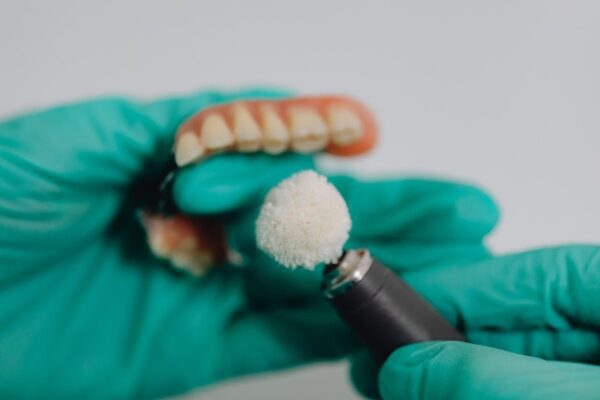
Calcifications/Radiopacities: Case Study
By: Dr. Chad Duplantis, D.D.S., F.A.G.D Here is a case study on my experience with a patient with calcifications/radiopacities. The Patient with Calcifications/Radiopacities 55-year-old female Healthy New patient to our practice From Patient: I’ve been wearing a denture since I was 22 years old. I can’t stand looking at it, and I can’t afford implants at…
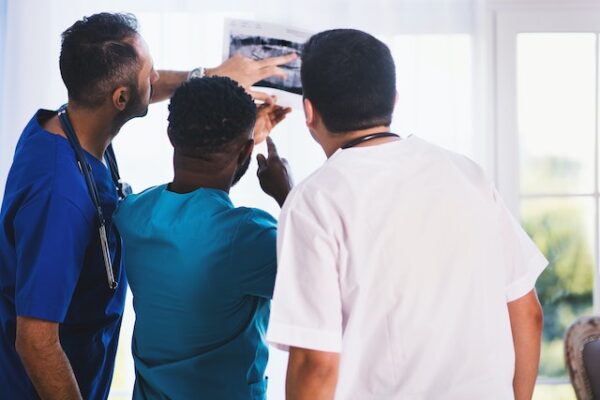
Words of Wisdom from Accomplished Dentist: Dr. Alan Stern
By: Jennifer Murphy, DDS, FAGD Dr. Alan G. Stern graduated from the Virginia Commonwealth University School of Dentistry in 1981. He completed a 1 year GPR, then worked as an associate dentist for 5 years before opening his FFS practice in Ocean, NJ in 1987. Dr. Stern is also an ACE Certified Health Coach and…

Forming Good Habits after Dental School
By: Savanah Craig Graduating from dental school marked the first time in my life where ‘student’ wasn’t my primary role. For so many years my life had been ruled by the academic calendar. Now, I had a choice in how I wanted to structure my time spent outside of working hours. I really wanted to…
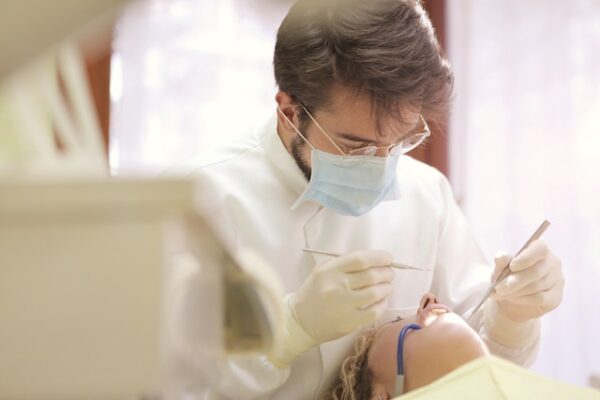
Oral Dental Lesion: Case Study
By: Dr. Chad Duplantis, D.D.S., F.A.G.D Have you ever dealt with an oral dental lesion during your dental career? Here is a case study on my experience dealing with oral dental lesions. Patient Information: 45-year-old female Extremely healthy Realtor Regular dental patient – every 6 months at least Minimal dental needs Now pain associated with the…
Bony Defect: Case Study
By: Dr. Chad Duplantis, D.D.S., F.A.G.D Have you ever had a patient with bony defect? Here is a case study on my experience with it. Bony Defect: Patient Information 50-year-old female Healthy Nurse Practitioner Regular dental patient – every 6 months at least History of Cleft Lip and Palate