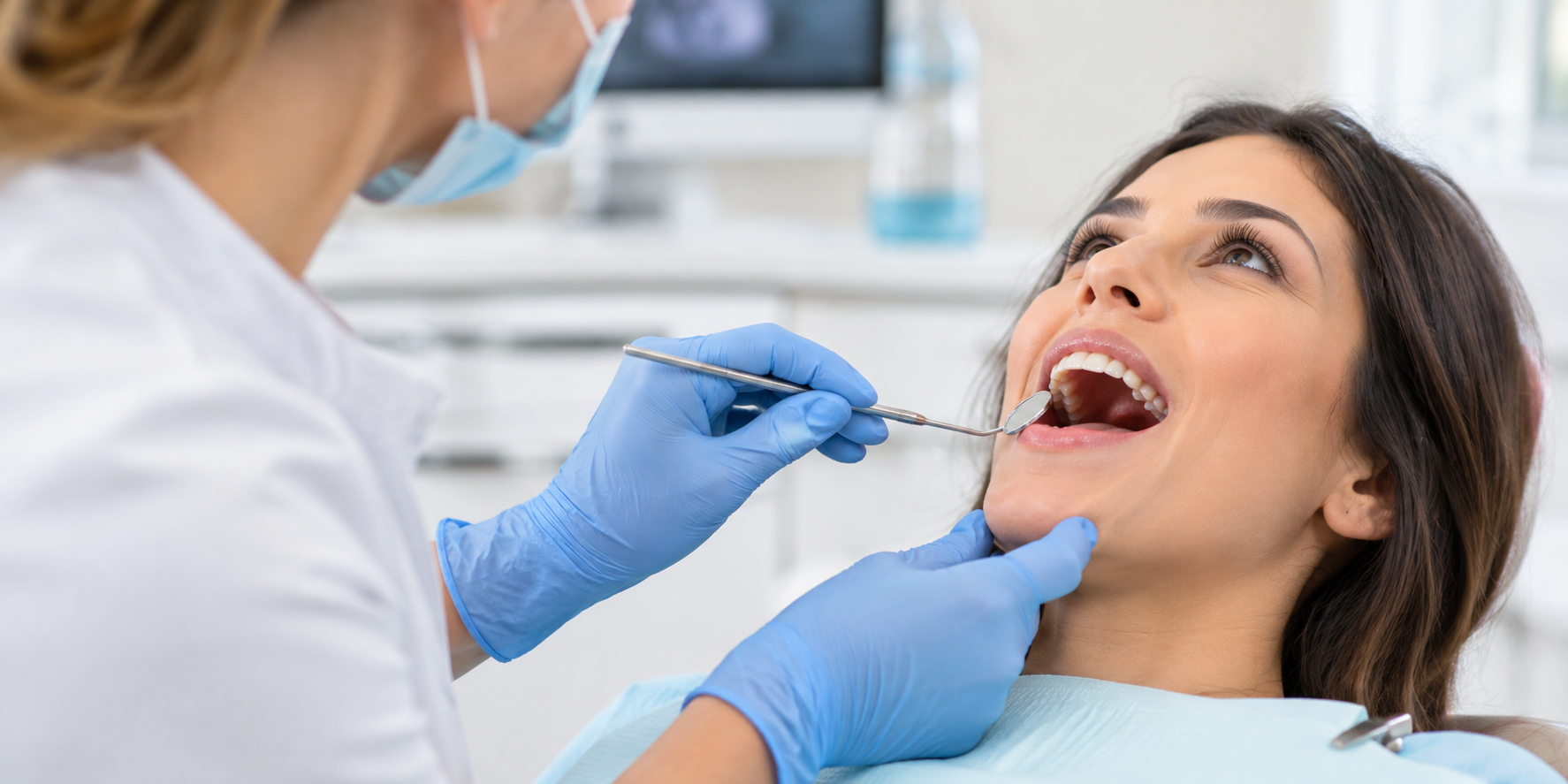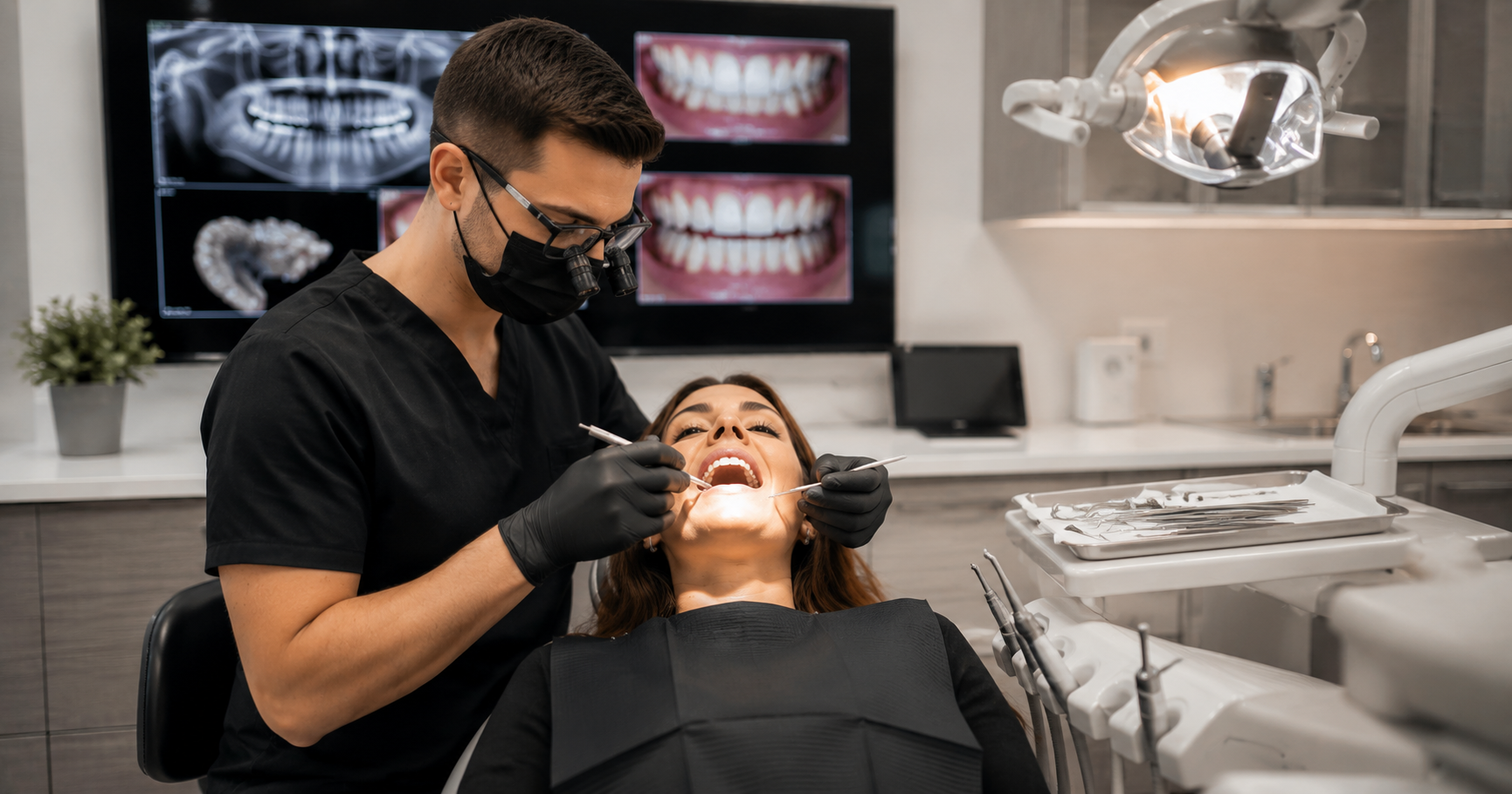
Cosmetic dentistry attracts clinicians who love the visual side of the discipline. The artistry of tooth shape. The science of color matching. The satisfaction of a transformation that changes how a patient carries themselves.
I love all of that too. But early in my career, one of the most important things I came to understand is this: you cannot do great cosmetic dentistry without understanding occlusion.
Not because occlusion is glamorous. It is not. Nobody posts their articulator records on social media. Nobody is wowed by a well mounted study model.
But occlusion is the system that determines whether the beautiful dentistry you place survives or does not.
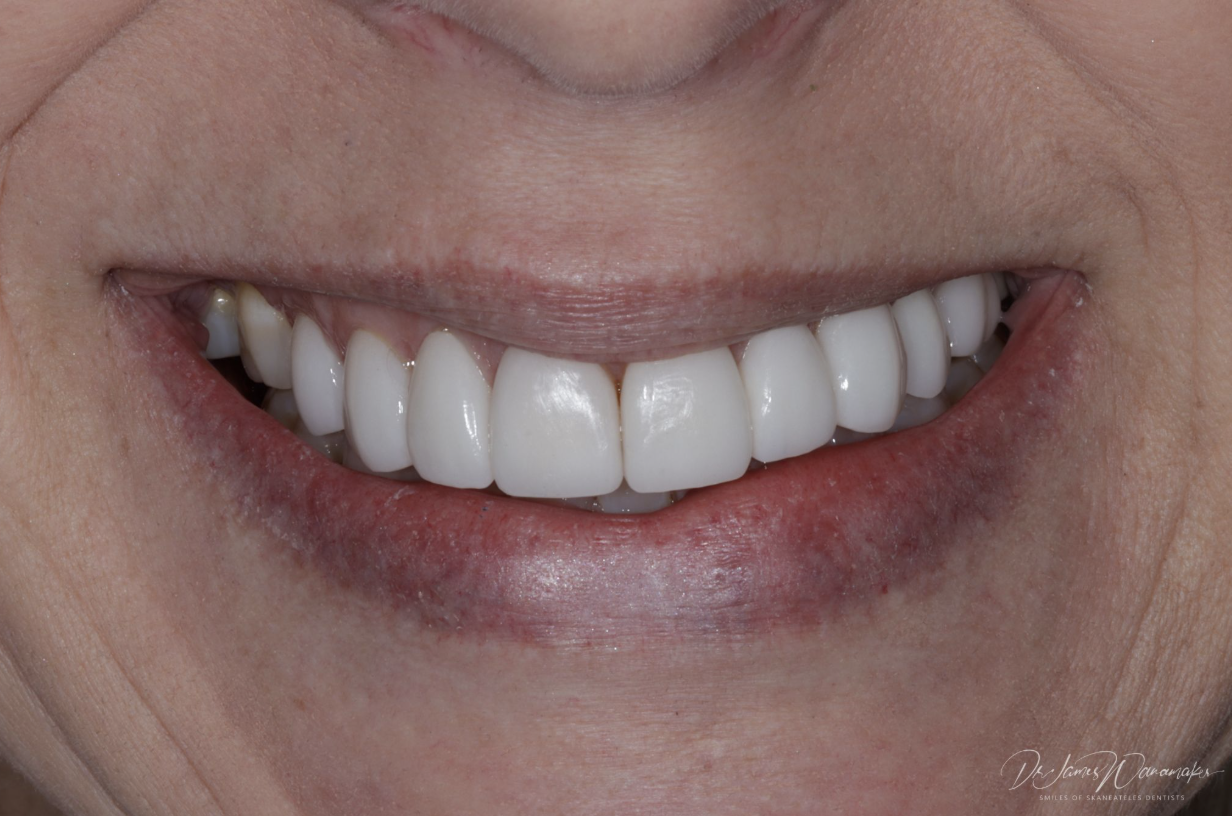
Esthetics and Function Are Not Separate Conversations
There is a tendency in dentistry to treat esthetics and function as two different disciplines as if a clinician can choose to focus on one and leave the other to someone else.
That separation does not hold up in the mouth.
Every tooth we restore exists within an occlusal system. That system involves the teeth, the temporomandibular joints, the muscles of mastication, and the neuromuscular patterns the patient has developed over a lifetime. When we place restorations without understanding and respecting that system, we are not just doing cosmetic dentistry, we are introducing new forces into a dynamic environment and hoping they do not cause problems.
Sometimes they do not. But when they do, the consequences can be significant: fractured restorations, chipped porcelain, accelerated wear, sensitivity, TMD symptoms, and patient dissatisfaction that is difficult to trace back to its source because the placement appointment was months ago.
The Most Common Occlusal Mistake in Cosmetic Cases
In my experience, the most common occlusal error in cosmetic dentistry is not dramatic. It does not present as an obvious traumatic bite or gross interference. It is subtler than that.
It is treating the cosmetic case in whatever occlusal position the patient presents in, without ever asking whether that position is stable.
Most patients do not present in centric relation. They present in a habitual intercuspation that has adapted over years around wear patterns, compensations, and muscle memory. That position may be stable enough for day to day function, but when we add restorations changing tooth length, contour, and contact relationships we are altering the system those adaptations were built around.
Understanding centric relation, and knowing how to evaluate whether a patient’s habitual position is sufficiently stable to restore into, is foundational knowledge for anyone doing comprehensive esthetic work. This is precisely why my training at one of the academies that understands occlusion like Dawson, Pankey, or Kois is so essential. It gave me the framework to think about the bite not as a static snapshot, but as a dynamic system that has to be evaluated and respected.
What Occlusion Has to Do With Incisal Edge Position
Incisal edge position is one of the central decisions in any anterior esthetic case. As I have discussed in earlier articles in this series, I use a systematic photographic approach to determine where the maxillary incisal edges should live relative to the lips, at rest and at full smile.
But photography tells me where the teeth should be esthetically. Occlusal analysis tells me whether they can be there functionally.
The envelope of function, the range of motion the mandible travels through during chewing, speaking, and swallowing is a boundary that the incisal edges cannot violate without consequence. If I lengthen the centrals into a position that creates interference during lateral excursions or protrusive movement, those restorations will either chip, fracture, or drive the patient’s system into compensation. If I lengthen the lower canines too much and they hit the maxillary laterals in protrusion those restorations will not last.
This is exactly why the provisional phase is so critical. The provisional confirms that the esthetic position I designed is also a functional one. If the patient reports discomfort, fremitus, or difficulty with certain movements during the provisional phase, I adjust. By the time final restorations are fabricated, I know the position works not just looks right.
Parafunction Is a Variable You Cannot Ignore
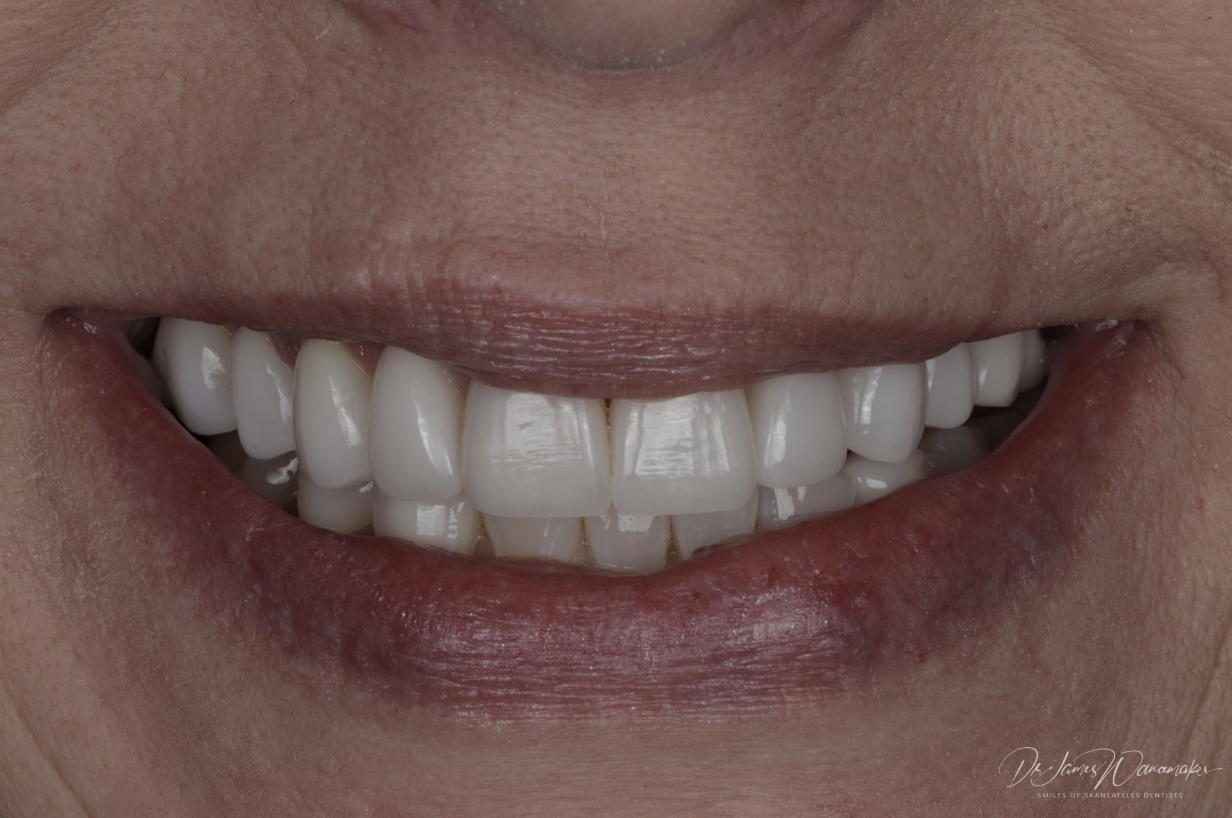
One of the questions I ask in every esthetic consultation is whether the patient has any history of grinding or clenching. Not because I expect an honest answer most parafunctional patients are unaware of the habit, particularly if it occurs at night but because the clinical signs are often already visible.
Wear facets on the incisal edges. Flattening of the occlusal surfaces. Abfraction lesions at the cervical margins. Hypertrophied masseter muscles. These are the fingerprints of a patient who is applying forces to their dentition well beyond what normal function produces.
Placing ceramic restorations on a patient with unmanaged parafunction without addressing the underlying force issue is a setup for failure. The porcelain will chip. The restorations will debond. The patient will come back unhappy, and the failure will feel inexplicable to them because all they did was bite.
Occlusal splint therapy, managing the bite, and setting clear expectations about long-term protection are all part of the esthetic conversation in parafunctional patients. Skipping that conversation does not make the problem go away. It just defers it to the failure appointment.
How Occlusal Instability Shows Up in Esthetic Cases
Occlusal problems in cosmetic cases rarely announce themselves loudly at the time of delivery. They tend to reveal themselves gradually, in ways that are easy to misattribute.
The signs I watch for include:
- Porcelain chipping or fracture in the months following delivery, particularly on anterior restorations.
- Persistent sensitivity that does not resolve after the initial adjustment period.
- Debonding of restorations under what seems like normal function.
- New or worsening muscle tension, headaches, or jaw fatigue reported by the patient after restorative treatment.
- Fremitus palpable vibration in a tooth under occlusal load detected at follow up appointments.
Any one of these signs warrants a thorough occlusal evaluation. In many cases, early intervention, an occlusal adjustment, a splint, a modification to the restoration prevents a much larger problem down the road.
The Clinician Who Understands Occlusion Sees More
Here is something I have noticed over the years: clinicians with a strong occlusal foundation see things in a smile that others miss.
They look at wear patterns and understand what forces created them. They evaluate an existing restoration and can tell whether a marginal breakdown was a bonding issue or an occlusal issue. They walk into a cosmetic consultation and already have a sense of what the bite is doing before they ask a single question, because the evidence is written on the teeth.
That diagnostic depth changes what they recommend, how they sequence treatment, and what they communicate to specialists. It is not a separate skill set from esthetic dentistry. It is an amplifier.
The most comprehensive esthetic clinicians I know are also deeply invested in occlusal education. That is not a coincidence. Go to one of the academies and learn that foundation.
Beautiful Dentistry That Lasts
Cosmetic dentistry is ultimately about creating something that looks exceptional and functions without compromise for as long as possible. Those two goals are not in tension but they do require each other.
Esthetic knowledge without occlusal knowledge produces beautiful dentistry that is fragile. Occlusal knowledge without esthetic knowledge produces dentistry that functions well but does not inspire. The clinicians doing the most consistent, impressive work have both.
Nobody frames their articulator records. But those records are often the reason the final photos are worth framing.
Understand the bite. Protect the restorations. Do dentistry that lasts.
Keep Reading: Using Photography to Assess Gingival Architecture & Axial Inclination