

Dr. Leonard Hess began teaching continuing education courses in 2005, and the topics include occlusion, smile design, treatment planning, preparation design, and practice integration of complete dentistry.
He’s taught full-day continuing education courses at the American Academy of Cosmetic Dentistry’s national meeting, The Greater New York Dental Meeting, AACD National Meeting, Pacific Dental Conference, Ontario Dental Association meeting, and The Yankee Dental Conference.
Dr. Hess also has taught courses in Japan, Germany, Poland, China, and Canada.
Dr. Hess is currently serving as the Senior Clinical Director at The Dawson Academy. He also owns Union County Center for Comprehensive Dentistry in Charlotte, North Carolina.
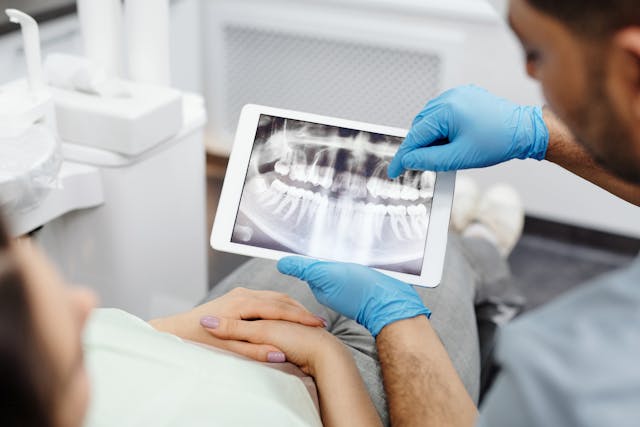
Complete Examinations in Dentistry
By: Dr. Leonard A. Hess, DDSClinical Director, The Dawson AcademyThe Article Originally Appeared on TheDawsonAcademy.com. Dr. Hess…

How To Track Key Dental Practice Performance Metrics
By: Dr. Leonard A. Hess, DDSClinical Director, The Dawson AcademyThe Article Originally Appeared on TheDawsonAcademy.com Measure What’s…

Top Phone Greeting Tips for Dental Practices
By: Dr. Leonard A. Hess, DDSClinical Director, The Dawson AcademyThe Article Originally Appeared on TheDawsonAcademy.com In today’s…
How to Master a Complete Dental Examination
By: Dr. Leonard A. Hess, DDS, Clinical Director, The Dawson AcademyThis article originally appeared on TheDawsonAcademy.com, Dr….
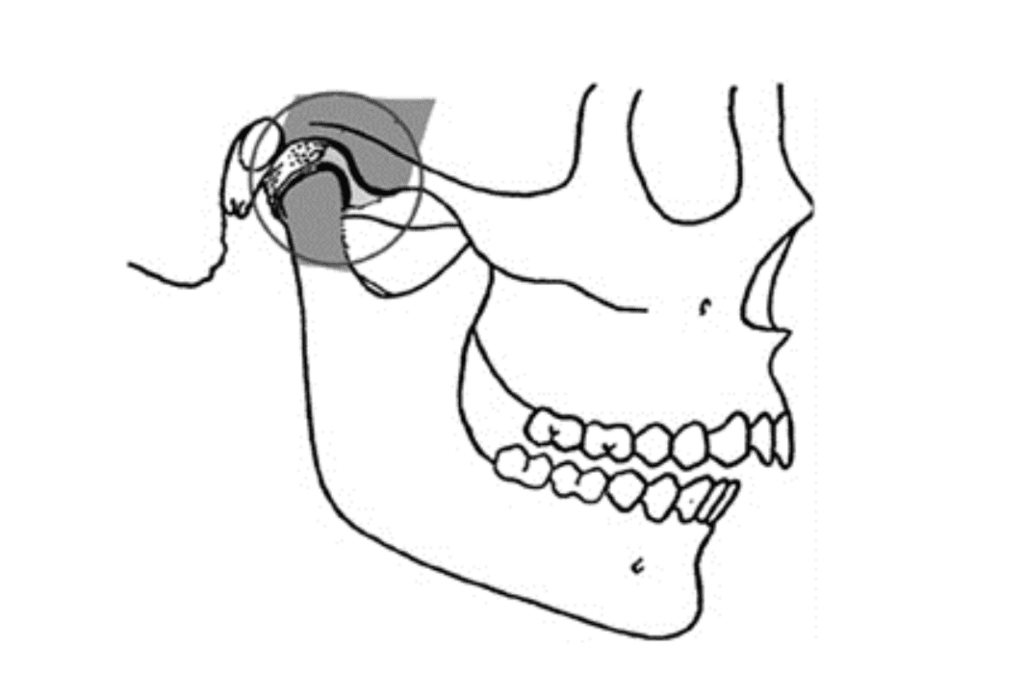
How Do You Know If You Achieved Centric Relation?
By: Dr. Leonard A. Hess, DDSClinical Director, The Dawson AcademyThis article originally appeared on TheDawsonAcademy.com, Dr. Hess…

TMJ 101: The Best TMD Treatment Options For Dentists
By: Dr. Leonard A. Hess, DDSClinical Director, The Dawson AcademyThis article originally appeared on TheDawsonAcademy.com, Dr. Hess…

What is Fremitus and Why Should You Check For It?
By: Dr. Leonard A. Hess, DDSClinical Director, The Dawson AcademyThis article originally appeared on TheDawsonAcademy.com, Dr. Hess allowed igniteDDS to…
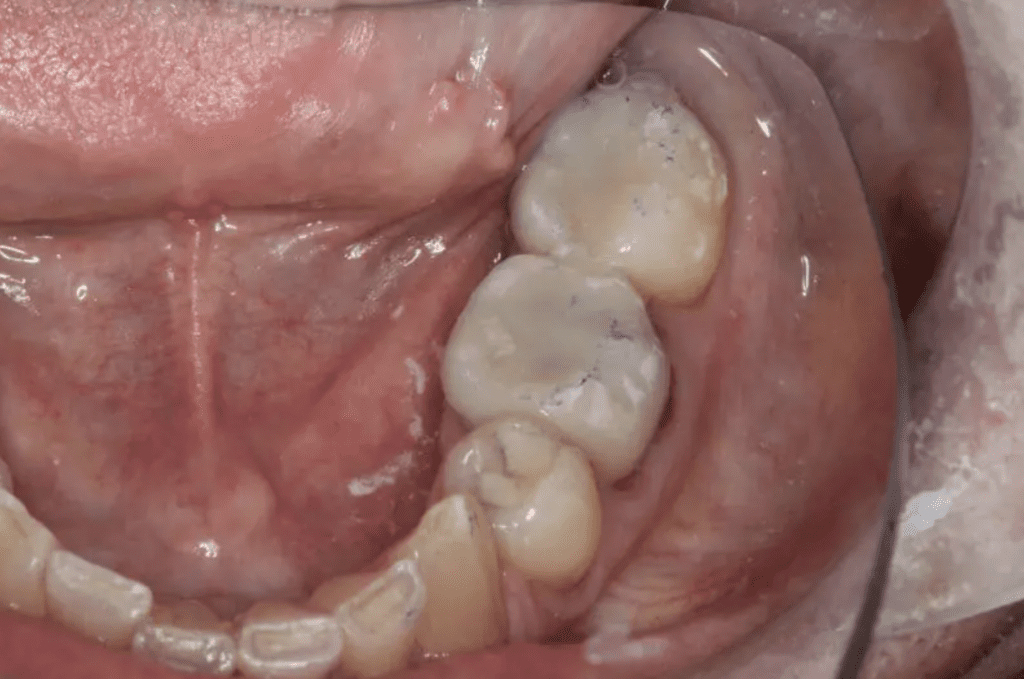
Dentist Education: How Do I Predictably Prep Second Molars?
By: Dr. Leonard A. Hess, DDSClinical Director, The Dawson AcademyArticle originally appeared on TheDawsonAcademy.com, Dr. Hess allowed…
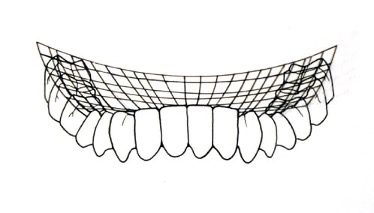
Sequencing a Full-Mouth Rehab: Anterior or Posteriors First?
The correct sequence to begin a full-mouth rehab is tobegin with the anterior teeth first, particularly the…
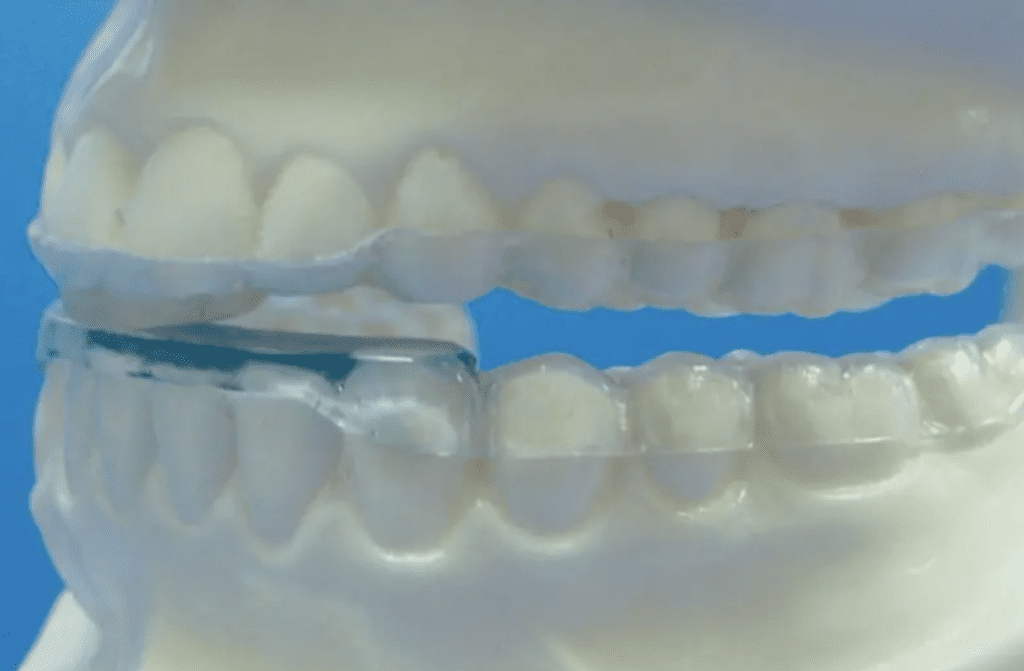
Q&A with Dr. Hess: Patients Who Have More Pain After Wearing a B-Splint
By: Dr. Leonard A. Hess, DDSClinical Director, The Dawson AcademyThe Article Originally Appeared on TheDawsonAcademy.com Question: What…

Engaging Treatment Presentations that Influence Case Acceptance in Dentistry
By: Gary M. DeWood, DDS, MS This topic originally appeared on PankeyGram.Org. Dr. DeWood granted igniteDDS permission to share with our readers. You’ve carefully diagnosed a patient’s oral health needs and crafted the perfect treatment plan. The patient seemed interested and engaged; they seemed to be asking for the treatment. But when you present it, their eyes…

The Freedom Framework Week Two: Releasing Money Blocks & Embracing Stewardship
By: Candy Velez, CRDH IgniteDDS Dental Hygiene Coach Let’s talk about a topic that can make even the most confident dental professionals shift uncomfortably in their chair — money. For a profession built on care and compassion, money often carries emotional weight. Many of us entered dentistry to help people, yet somewhere along the way,…

Holiday Stress in the Dental Office: How to Support Your Team Emotionally and Operationally
By: Dr. Sable Muntean The holiday season can be a magical time, but inside a dental practice, it often brings a perfect storm of stress. Packed schedules, patients rushing to use the last of their benefits, year-end financial pressure, and personal holiday demands all collide. It’s no surprise that December can leave even the strongest…
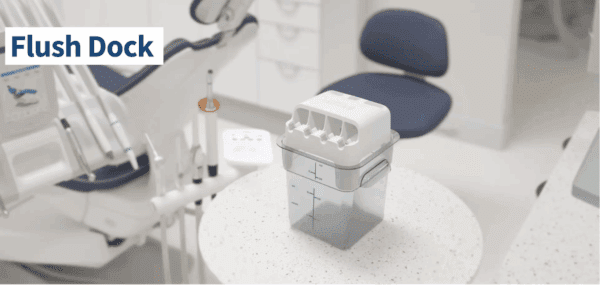
When Time Is Tight: Fast, Smarter Waterline Safety
By: A-dec A complementary solution best paired with an A-dec 500 Pro or 300 Pro system, A-dec® Flush Dock is an easy-to-use, portable, and hands-free solution that ensures consistent waterline protocols are maintained, while offering more efficient operatory turnover. Dentistry is that rare profession where being busy takes on two forms. First, patients are eyeing…

How Dental Practices Can WIN December Instead of Surviving It
By: Dawn Patrick, Business Strategy Coach, IgniteDDS December can feel like the ultimate scramble. Patients rushing to use insurance, team members juggling time off, and a push to hit year-end goals. But the most successful dental practices don’t just get through December. They leverage it, to finish strong, increase treatment acceptance, and prepare the schedule so…

Early Intervention in Pediatric Dentistry for Better Sleep and Growth
By: Mark T. Murphy, DDSThis topic originally appeared on PankeyGram.org. Dr. Murphy granted permission for igniteDDS to share with our readers. Sleep is the foundation of a child’s health and development, yet many children struggle with undiagnosed sleep disorders. One of the most overlooked conditions is pediatric sleep apnea, a disorder that can have serious consequences…

The Practice Profitability Playbook: Part 2
Part 2: Financial Control — Show Me the Money in Your Dental Practice By: Dawn Patrick, Business Strategy Coach, IgniteDDS Money makes a practice run, but too often, practices struggle to collect what they earn. Without strong financial control, even busy offices can leave revenue on the table. Financial Control is the system that ensures…

Did Your Dental Assistant Give You Expired Anesthetic Again?
If So, Here’s What We Need to Do By: Ronda Holman There’s nothing that sinks a dentist’s stomach faster than spotting an expired anesthetic carpule during a procedure. It’s frustrating, embarrassing, and it instantly breaks the flow of the appointment. But when expired anesthetic shows up repeatedly, it’s rarely because your dental assistant is careless;…

Endo Made Simple Part 1: Caries, Locating Canals, & Initial Access
By: Michael Eid Before you can shape and clean, you have to get the tooth ready, find the canals, and remove the pulp. Here’s a step-by-step guide for students. Step 1: Remove Caries & Build a Safe Access 🦷 High-Yield Tip: Always think “containment”. Your irrigant must stay inside the chamber. Isolation is the key…

What We’re Really Thankful For: A Note to the Dental Community
By: Dr. Sable Muntean As we head into Thanksgiving week, we wanted to pause and offer something simple, but genuine: Thank you. Not in a passing, casual way, but from a place of true understanding of what this profession asks of you every single day. To the Dentists You are leaders, healers, problem-solvers, and steady…