
Dr. Leonard Hess, DDS

Dr. Leonard Hess, DDS

Dr. Leonard Hess began teaching continuing education courses in 2005, and the topics include occlusion, smile design, treatment planning, preparation design, and practice integration of complete dentistry.

He’s taught full-day continuing education courses at the American Academy of Cosmetic Dentistry’s national meeting, The Greater New York Dental Meeting, AACD National Meeting, Pacific Dental Conference, Ontario Dental Association meeting, and The Yankee Dental Conference.

Dr. Hess also has taught courses in Japan, Germany, Poland, China, and Canada.

Dr. Hess is currently serving as the Senior Clinical Director at The Dawson Academy. He also owns Union County Center for Comprehensive Dentistry in Charlotte, North Carolina.
dawson academy complete dental examinations

Complete Examinations in Dentistry

By: Dr. Leonard A. Hess, DDSClinical Director, The Dawson AcademyThe Article Originally Appeared on TheDawsonAcademy.com. Dr. Hess…

Read More
how to track key dental practice performance metrics

How To Track Key Dental Practice Performance Metrics

By: Dr. Leonard A. Hess, DDSClinical Director, The Dawson AcademyThe Article Originally Appeared on TheDawsonAcademy.com Measure What’s…

Read More
phone greeting tips for dental offices

Top Phone Greeting Tips for Dental Practices

By: Dr. Leonard A. Hess, DDSClinical Director, The Dawson AcademyThe Article Originally Appeared on TheDawsonAcademy.com In today’s…

Read More

How to Master a Complete Dental Examination

By: Dr. Leonard A. Hess, DDS, Clinical Director, The Dawson AcademyThis article originally appeared on TheDawsonAcademy.com, Dr….
Read More
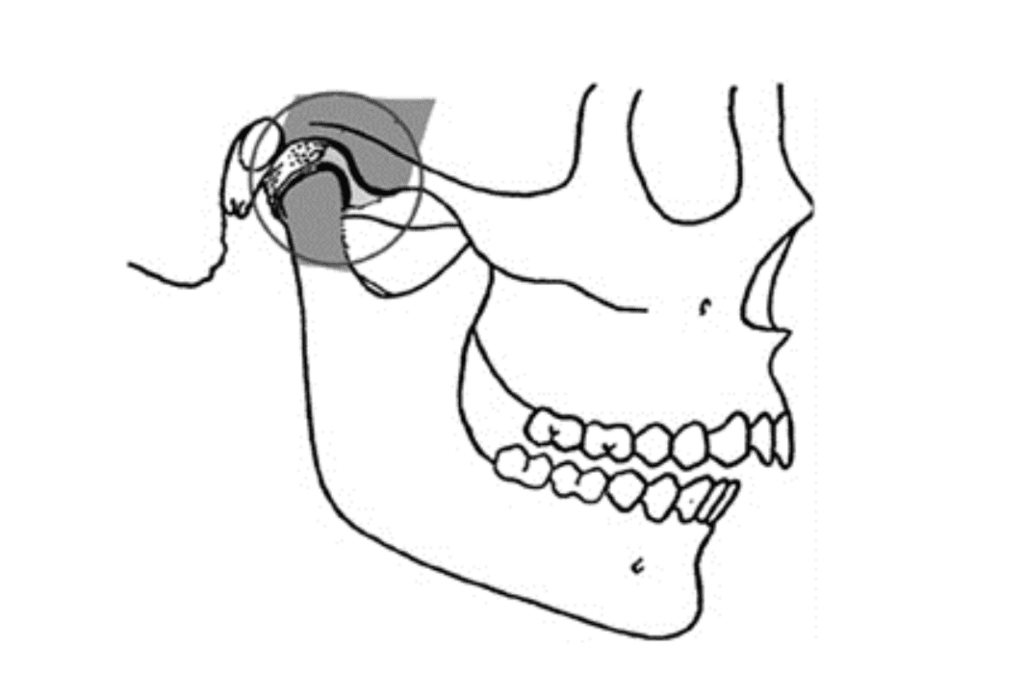
How Do You Know If You Achieved Centric Relation? By: Dr. Leonard A. Hess, DDS Clinical Director, The Dawson Academy This article originally appeared on TheDawsonAcademy.com, Dr. Hess allowed igniteDDS to share with our readers. When we talk about utilizing bimanual manipulation as a way to get centric relation, one of the biggest misunderstandings we see is the tendency for dentists to think CR is achieved by forcing the jaw back to seat the condyles. When we are in a situation where we have a tight patient, or patients that are resisting, the worst thing we can do is force it. Bimanual manipulation provides verification of: The correctness of the physiologic position The alignment of the condyle-disk assembly The integrity of the articular surfaces Steps to Achieving Centric Relation Recline the patient so your arms are parallel to the floor and their chin is pointing up. Stabilize the patient’s head by cradling it between your rib cage and forearm. It is essential that the head be stabilized with a firm grip so it will not move when the mandible is being manipulated. Lift the patient’s chin to slightly stretch the neck, keeping your forearms parallel to the floor. Gently position the four fingers of each hand on the lower border of the mandible. The little finger should be slightly behind the angle of the mandible. The pads of your fingers should align with the bone and stay together as if you were going to lift the head. Bring the thumbs together to form a C with each hand. The thumbs should fit in the notch above the symphysis. Remember, NO PRESSURE should be applied. With a gentle touch, and with almost zero pressure from your hands, have the patient slowly hinge open and closed in rotation (an arc of 1-2mm is acceptable), never letting the teeth touch. Do not jiggle or load the joint at this point. The whole idea here is to let the condyles go to where they physiologically want to be – properly seated in each fossa. When the hinge movement is consistent, the mandible will retrude automatically and you should feel the jaw go back. At that point, hold the jaw firmly on that hinge point. With proper hand placement, there is a torque effect from the thumbs and fingers that loads the joints in an upward and forward direction. This allows upward pressure to be maintained through the condyles while still allowing them to rotate freely. Load the joint by applying firm (but gentle) pressure UP with the fingers on the back half of the mandible and DOWN with the thumbs in the notch above the symphysis (keeping the teeth separated). Note: Sudden heavy loading can injure retrodiskal tissue and cause considerable pain. Ask the patient, Do you feel any tension or tenderness in either joint? If yes, stop and determine the cause. If no, continue. Increase to moderate pressure, then firm pressure. With each increment of loading, ask the patient, “Do you feel ANY tension or tenderness in either joint?”. If tension or tenderness is experienced at any load interval, stop and determine the cause. The dense vascular connected tissue that makes up the disk will be able to handle enormous pressure through it without any sort of tenderness if you have a properly aligned condyle-disk assembly, and that condyle is completely seated. And if the condyle is seated completely, such that the medial aspect of the condyle is engaged with the medial aspect of the glenoid fossa with a properly inter-closed disk, then there can’t be any stretching of the muscle. What It Looks Like When the Condyle is Not Completely Seated in Centric When you load test, there will be a tension on that lateral pterygoid, and they will feel some tightness or fullness or a pull. Because of this feeling, they’ll have awareness in that joint. If there’s pathology in the joint or an intracapsular problem, they’re likely to have some sort of discomfort or tenderness. But also, remember that as we assess the joint, we’re relying on the totality of the exam; the questions that we ask, the palpation of the muscles, the load testing, the range of motion, doppler analysis, all these things that we do, to develop a visual picture of what’s going on there. But the short answer to, how do you know if you’ve achieved centric relation, is by load testing; by load testing in three pressure increments and making sure there is no tension or tenderness in either joint. If a Patient Has Had a Lower Block, You Can Still Put Them in Centric Relation Anesthesia locking the trigeminal nerve really doesn’t have any effect whatsoever on whether you can achieve centric or not. Those are sensory nerves and we’re not really messing with the motor. The fact is, we’re going to take bilateral manipulation to achieve centric relation, whether they’re numb or not. And the technique is going to be exactly the same. You can actually achieve centric relation even if the patient is asleep. We’ve done a number of bite records while the patients were under Pentathol. It’s exactly the same as when they’re awake. Just remember, when you’re putting a patient in centric relation, it’s the natural physiological hinge of the joint you’re looking for. If you’ve previously taken Core 2: Examination & Records with us, I encourage you to review all the principles in the book (Chapter 9: Determining Centric Relation) and in the manual, as well as what we taught in class. If you haven’t taken the Examination & Records course, we spend a day and a half doing load testing, so that students get very comfortable with the hand position and how to get repeatable precise results.

How Do You Know If You Achieved Centric Relation?

By: Dr. Leonard A. Hess, DDSClinical Director, The Dawson AcademyThis article originally appeared on TheDawsonAcademy.com, Dr. Hess…

Read More
tmj patient

TMJ 101: The Best TMD Treatment Options For Dentists

By: Dr. Leonard A. Hess, DDSClinical Director, The Dawson AcademyThis article originally appeared on TheDawsonAcademy.com, Dr. Hess…

Read More
dentist checking patient for fremitus

What is Fremitus and Why Should You Check For It?

By: Dr. Leonard A. Hess, DDSClinical Director, The Dawson AcademyThis article originally appeared on TheDawsonAcademy.com, Dr. Hess allowed igniteDDS to…
Read More
prepping second molars

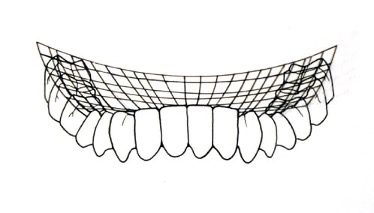
Dentist Education: How Do I Predictably Prep Second Molars?

By: Dr. Leonard A. Hess, DDSClinical Director, The Dawson AcademyArticle originally appeared on TheDawsonAcademy.com, Dr. Hess allowed…
Read More
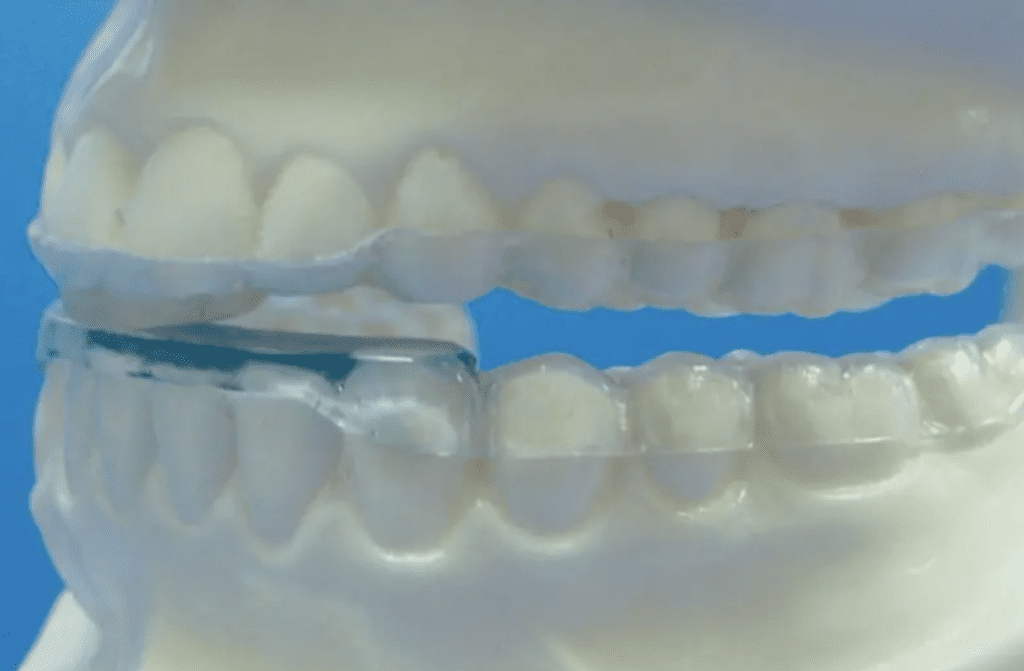
Sequencing a Full-Mouth Rehab: Anterior or Posteriors First?

Sequencing a Full-Mouth Rehab: Anterior or Posteriors First?

The correct sequence to begin a full-mouth rehab is tobegin with the anterior teeth first, particularly the…
Read More
patients who have more pain after wearing a b-splint

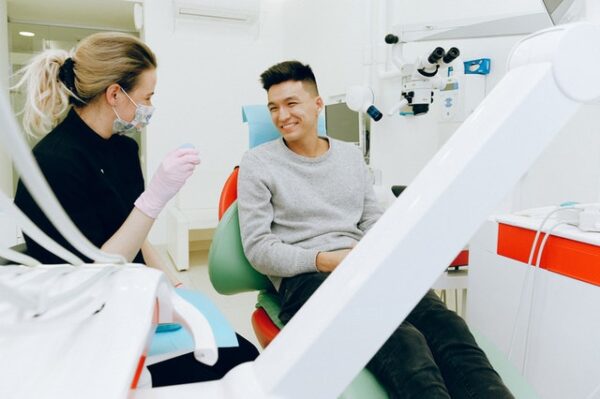
Q&A with Dr. Hess: Patients Who Have More Pain After Wearing a B-Splint

By: Dr. Leonard A. Hess, DDSClinical Director, The Dawson AcademyThe Article Originally Appeared on TheDawsonAcademy.com Question: What…
Read More

The new dentist’s job and the learning curve

By Bruce Bryen | September 17, 2021

By Bruce Bryen, CPA, CVA After the search is over and the new job has begun, it is time to make sure that learning is occurring with a timeline that is acceptable to both the dentist who was hired and to the owner who is hopefully mentoring the new associate. The skill sets that were…

3 reasons why the dental hiring crisis may soon subside

By Dawn Patrick | September 12, 2021

From Las Vegas to Orlando last week, here are the things we heard about the hiring crisis impacting so many dental practices.

New data shows how hiring crisis has grown in dental industry

By Dawn Patrick | September 3, 2021

how much the hiring crisis in dentistry has grown since the start of the COVID-19 pandemic.

Lit leadership lessons: Let’s talk about perspective

By Amisha Singh | August 27, 2021

Why? It’s a question we often ask, but without perspective, we will never know the answer, writes Dr. Amisha Singh.

After dental school: Considerations for joining alternative types of practices

By Bruce Bryen | August 9, 2021

By Bruce Bryen, CPA, CVA Before graduating from dental school, the dental student is inundated with information about joining dental practices from all over the country. It is, of course, in many ways, a life-altering decision. The geographic environment, salary and benefits, and quality of life are just a few of the items being considered…

3 ways to avoid the biggest crisis in dentistry

By Dawn Patrick | August 2, 2021

All across the country, dental practices are facing a hiring crisis. Teams are being stretched thin because of openings within the staff directory, and it’s putting pressure on everyone in the practice. They feel the strain … and so does dentistry as a whole. But what if you could solve a problem before it ever…

Avoiding pitfalls in your next dental office lease negotiation

By Dan Gleissner | July 20, 2021

By Dan Gleissner, CARR More than 80% of healthcare practices lease their office space. The location and impression their office makes on patients is a huge determining factor in patient referrals and return visits, especially in a competitive market. Additionally, the cost of rent is typically a dental practice’s second-highest expense after payroll. For these reasons, it…

15 Best Dentist Memes

By Dawn Patrick | July 4, 2021

By: Kevin Henry When it comes to dental patients and their relationship with their dentist, dental hygienist, dental assistant, or anyone at the front associated with dental insurance, there are plenty of times when good dentist memes can say 1,000 words. With that in mind, we decided to find the 10 best dental memes we…

Finding the right specialist partners for your dental practice

By Bill Simon | June 26, 2021

By Dr. Bill Simon With research, development, and expansion of technology comes a broader scope of services, a deeper understanding of how to provide those services and improved outcomes. The standard of care elevates and, more than ever, dentists are faced with decisions on where to draw the line on what treatment they are comfortable…

Lit leadership lessons: How dental professionals can honor boundaries

By Amisha Singh | June 21, 2021

Dr. Amisha Singh discusses why setting boundaries is so important for dental professionals and how it can improve health.