

Dr. Leonard Hess began teaching continuing education courses in 2005, and the topics include occlusion, smile design, treatment planning, preparation design, and practice integration of complete dentistry.
He’s taught full-day continuing education courses at the American Academy of Cosmetic Dentistry’s national meeting, The Greater New York Dental Meeting, AACD National Meeting, Pacific Dental Conference, Ontario Dental Association meeting, and The Yankee Dental Conference.
Dr. Hess also has taught courses in Japan, Germany, Poland, China, and Canada.
Dr. Hess is currently serving as the Senior Clinical Director at The Dawson Academy. He also owns Union County Center for Comprehensive Dentistry in Charlotte, North Carolina.
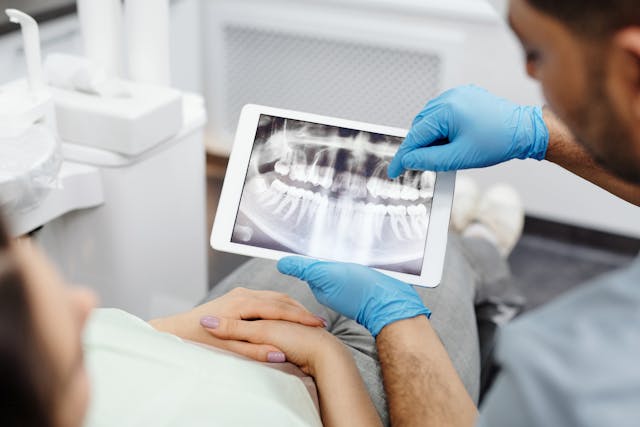
Complete Examinations in Dentistry
By: Dr. Leonard A. Hess, DDSClinical Director, The Dawson AcademyThe Article Originally Appeared on TheDawsonAcademy.com. Dr. Hess…

How To Track Key Dental Practice Performance Metrics
By: Dr. Leonard A. Hess, DDSClinical Director, The Dawson AcademyThe Article Originally Appeared on TheDawsonAcademy.com Measure What’s…

Top Phone Greeting Tips for Dental Practices
By: Dr. Leonard A. Hess, DDSClinical Director, The Dawson AcademyThe Article Originally Appeared on TheDawsonAcademy.com In today’s…
How to Master a Complete Dental Examination
By: Dr. Leonard A. Hess, DDS, Clinical Director, The Dawson AcademyThis article originally appeared on TheDawsonAcademy.com, Dr….
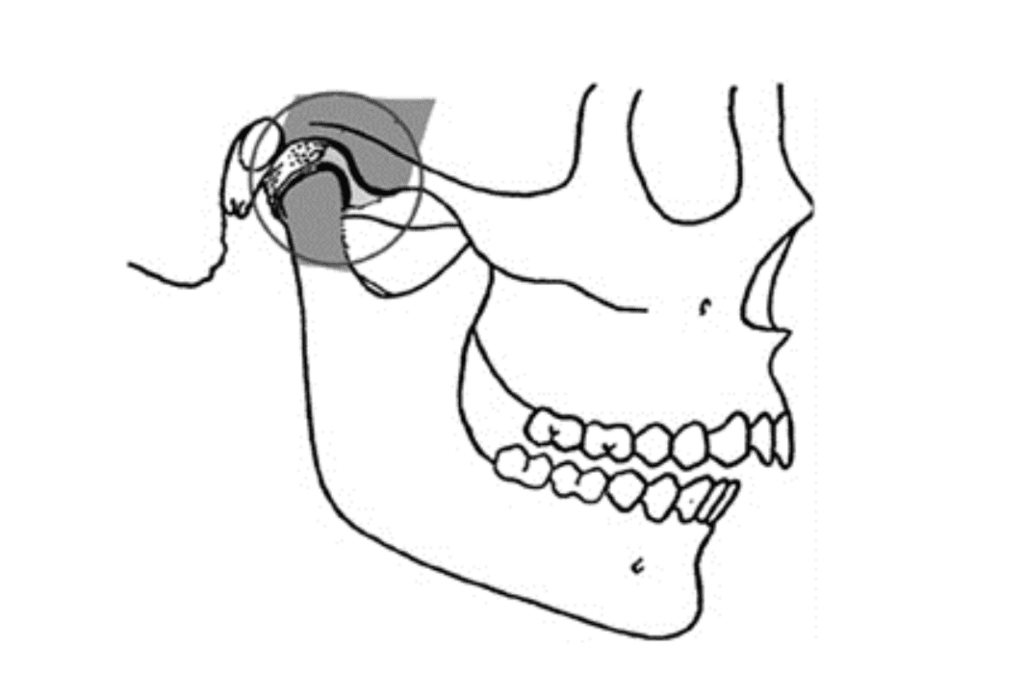
How Do You Know If You Achieved Centric Relation?
By: Dr. Leonard A. Hess, DDSClinical Director, The Dawson AcademyThis article originally appeared on TheDawsonAcademy.com, Dr. Hess…
TMJ 101: The Best TMD Treatment Options For Dentists
By: Dr. Leonard A. Hess, DDSClinical Director, The Dawson AcademyThis article originally appeared on TheDawsonAcademy.com, Dr. Hess…

What is Fremitus and Why Should You Check For It?
By: Dr. Leonard A. Hess, DDSClinical Director, The Dawson AcademyThis article originally appeared on TheDawsonAcademy.com, Dr. Hess allowed igniteDDS to…
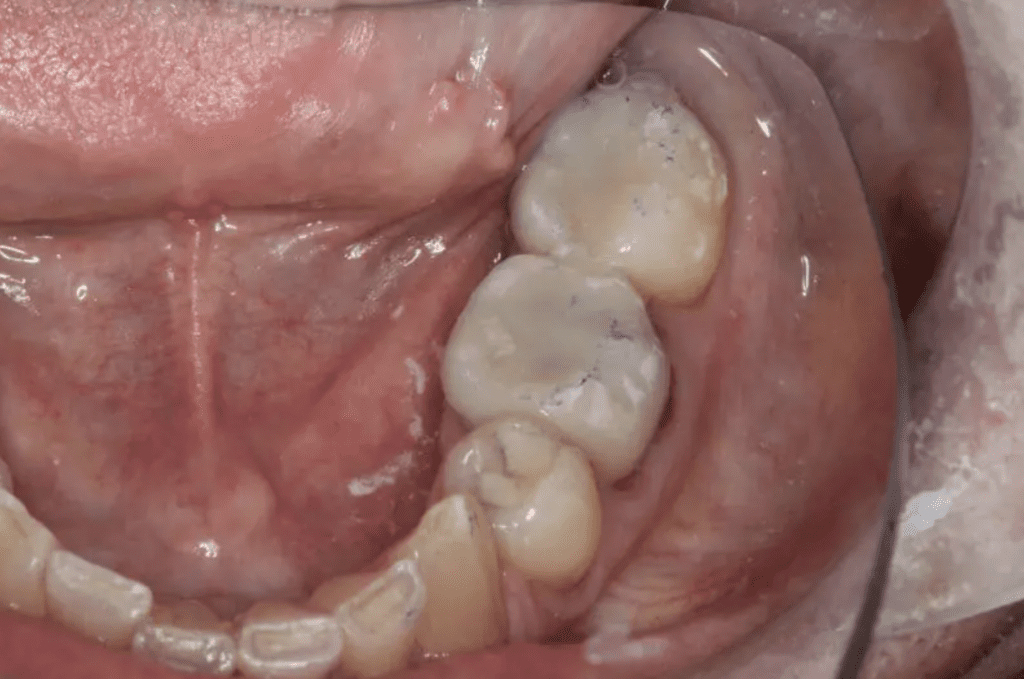
Dentist Education: How Do I Predictably Prep Second Molars?
By: Dr. Leonard A. Hess, DDSClinical Director, The Dawson AcademyArticle originally appeared on TheDawsonAcademy.com, Dr. Hess allowed…
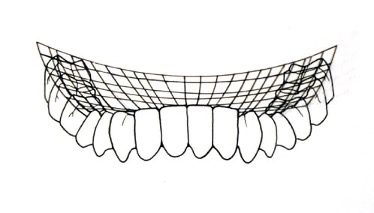
Sequencing a Full-Mouth Rehab: Anterior or Posteriors First?
The correct sequence to begin a full-mouth rehab is tobegin with the anterior teeth first, particularly the…
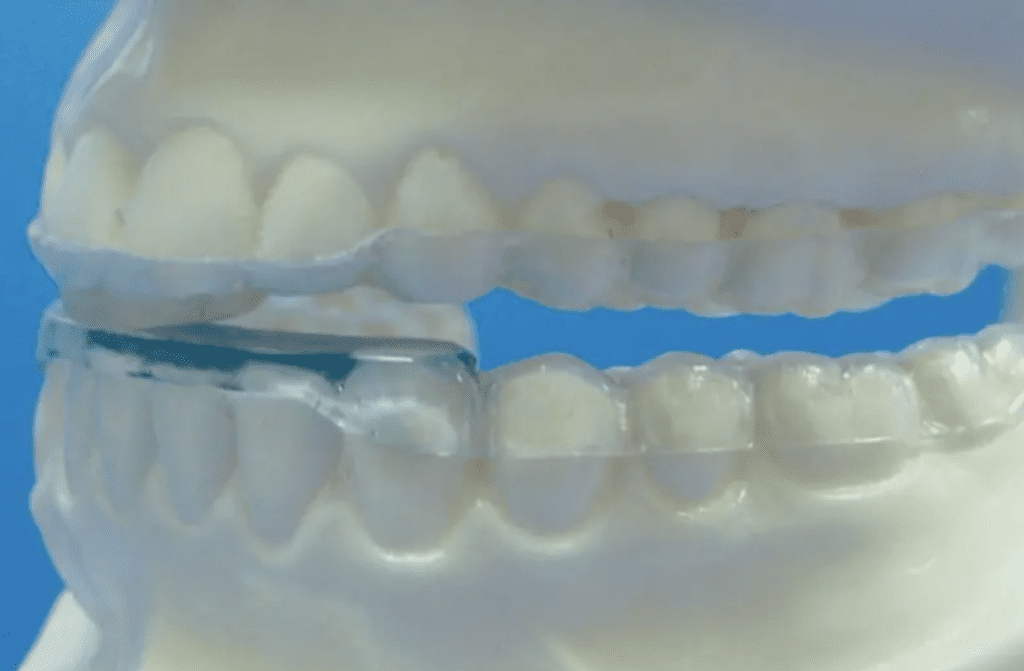
Q&A with Dr. Hess: Patients Who Have More Pain After Wearing a B-Splint
By: Dr. Leonard A. Hess, DDSClinical Director, The Dawson AcademyThe Article Originally Appeared on TheDawsonAcademy.com Question: What…

Beta Carotene & Vitamin E: Do the Cons Outweigh the Pros?
By: Kevin Henry On a recent episode of the Dental Assistant Nation podcast, dental’s pharmacology expert, Tom Viola, RPh, joined me to discuss a warning about multivitamins and how they may not be providing the benefits that dental professionals or their patients think they are. Now, Viola is back with another interesting article centering around…
Tooth Resorption: Case Study
By: Dr. Chad Duplantis, D.D.S., F.A.G.D Have you ever had a patient with tooth resorption? Here is a case study on my experience with it. Tooth Resorption Patient Information: 59-year-old male Extremely healthy Pilot Regular dental patient – every 6 months at least Minimal dental needs Pain starts in the lower anterior region and he…
Full-Mouth Rehabilitation — What I Learned
By: Devin Hodell In the course of my dental residency, I completed a full-mouth rehabilitation over the course of this time, working closely with my supervisor, Dr. Nicholas Fontana, and a number of specialists. The case was definitely complex — I’ve been told that full-mouth rehabilitations like these are reserved almost exclusively for graduate students…

Can the 9 Dimensions of Wellness Reduce Physician Burnout?
By: Savanah Craig Burnout is becoming a more common topic in society in the last several years. With increased discussion of mental health concerns in doctoral programs, I feel like young physicians and dentists are more aware of burnout than the generations of doctors before them. Feelings of burnout are described as a state of…
Types of Retirement Plans
By: Bruce Bryen As a dental school graduate, you probably know a lot about retirement plans from talking to your peers and asking about coverage with your employer. You may already have a retirement plan in place, which is great! But, this does not necessarily mean that you are up to date with an understanding of how…

Tips to Keep Your Dental Patients Happy & Loyal
By: Anais Osipova Currently, in the U.S., there are over 200,000 active dentists, and about 60% of Americans visit a dental office at least once a year. With that much competition, you may wonder how your dental practice can retain patients, especially happy and loyal ones. 5 Tips To Keep Your Dental Patients Happy With…
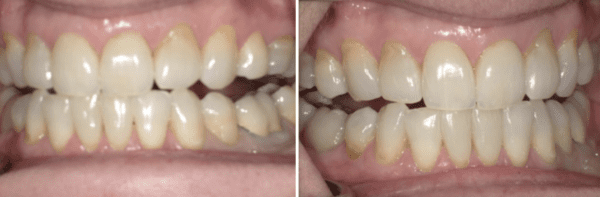
Posterior Open Bites, What Does it Mean?
By: Jeffrey W. Horowitz, DMD, FAGD, D-ABDSM, D-ASBA Have you ever run into posterior open bites during your time as a dentist? Here is a case study on my experience with it. Posterior Open Bites: Case Study Posterior Open Bites Etiology Diagnosis Permanent postural change, secondary to improved condyle/disk relationship and improved muscle function. Initial…

What Dental School Didn’t Teach You about “Adulting”
By: Savanah Craig It won’t shock anyone to know that there are many important things that dental school didn’t teach you. Unfortunately, many of the topics that dental school skipped over are critical to your success and are necessary to protect the investments you made in this career. 3 Things Dental School Didn’t Teach You…
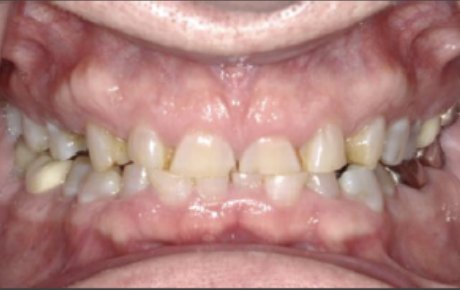
Pitting and Erosive Tooth Lesions, What Does it Mean?
By: Jeffrey W. Horowitz, DMD, FAGD, D-ABDSM, D-ASBA Have you ever run into pitting and erosive tooth lesions during your time as a dentist? Here is a case study on my experience with it. Pitting and Erosive Tooth Lesions: Case Study Patient Information: Etiology of Tooth Structure Loss Tooth erosion happens when acids wear away…

Why Don’t Physicians Refer to Dentists?
By: Teresa DeNike There is growing evidence in the scientific literature that oral health is linked to the well-being of the rest of the body. A link has been found between poor sleep and periodontitis, with a shocking 36% increase in patients with chronic sleep loss; sleep apnea. Sleep apnea is a condition that dentists…