

Dr. Leonard Hess began teaching continuing education courses in 2005, and the topics include occlusion, smile design, treatment planning, preparation design, and practice integration of complete dentistry.
He’s taught full-day continuing education courses at the American Academy of Cosmetic Dentistry’s national meeting, The Greater New York Dental Meeting, AACD National Meeting, Pacific Dental Conference, Ontario Dental Association meeting, and The Yankee Dental Conference.
Dr. Hess also has taught courses in Japan, Germany, Poland, China, and Canada.
Dr. Hess is currently serving as the Senior Clinical Director at The Dawson Academy. He also owns Union County Center for Comprehensive Dentistry in Charlotte, North Carolina.
Complete Examinations in Dentistry
By: Dr. Leonard A. Hess, DDSClinical Director, The Dawson AcademyThe Article Originally Appeared on TheDawsonAcademy.com. Dr. Hess…

How To Track Key Dental Practice Performance Metrics
By: Dr. Leonard A. Hess, DDSClinical Director, The Dawson AcademyThe Article Originally Appeared on TheDawsonAcademy.com Measure What’s…

Top Phone Greeting Tips for Dental Practices
By: Dr. Leonard A. Hess, DDSClinical Director, The Dawson AcademyThe Article Originally Appeared on TheDawsonAcademy.com In today’s…
How to Master a Complete Dental Examination
By: Dr. Leonard A. Hess, DDS, Clinical Director, The Dawson AcademyThis article originally appeared on TheDawsonAcademy.com, Dr….
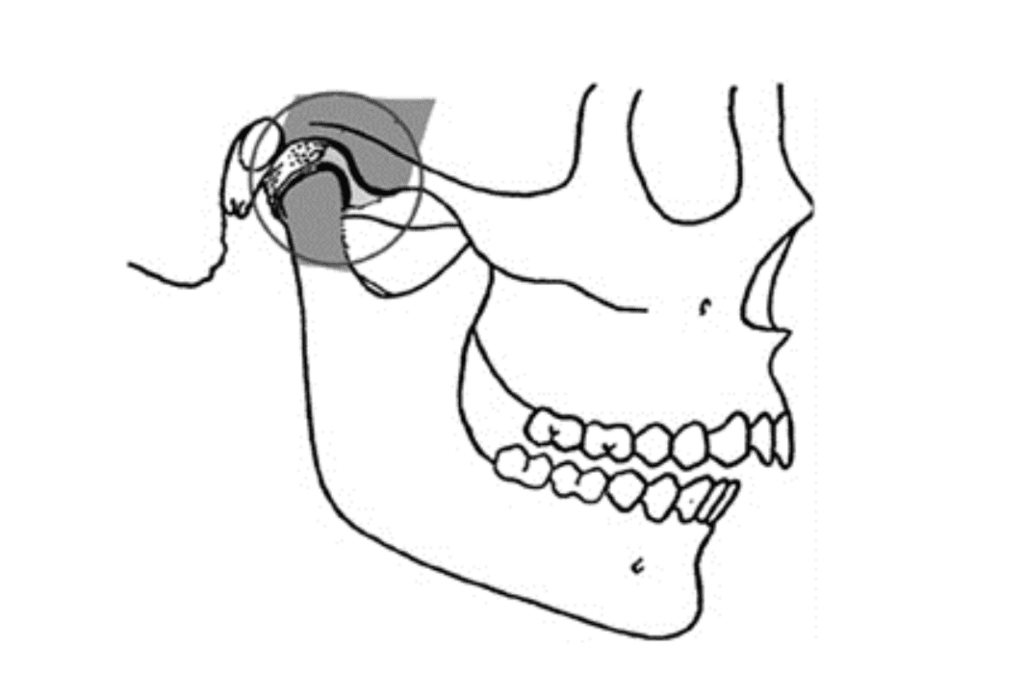
How Do You Know If You Achieved Centric Relation?
By: Dr. Leonard A. Hess, DDSClinical Director, The Dawson AcademyThis article originally appeared on TheDawsonAcademy.com, Dr. Hess…
TMJ 101: The Best TMD Treatment Options For Dentists
By: Dr. Leonard A. Hess, DDSClinical Director, The Dawson AcademyThis article originally appeared on TheDawsonAcademy.com, Dr. Hess…

What is Fremitus and Why Should You Check For It?
By: Dr. Leonard A. Hess, DDSClinical Director, The Dawson AcademyThis article originally appeared on TheDawsonAcademy.com, Dr. Hess allowed igniteDDS to…
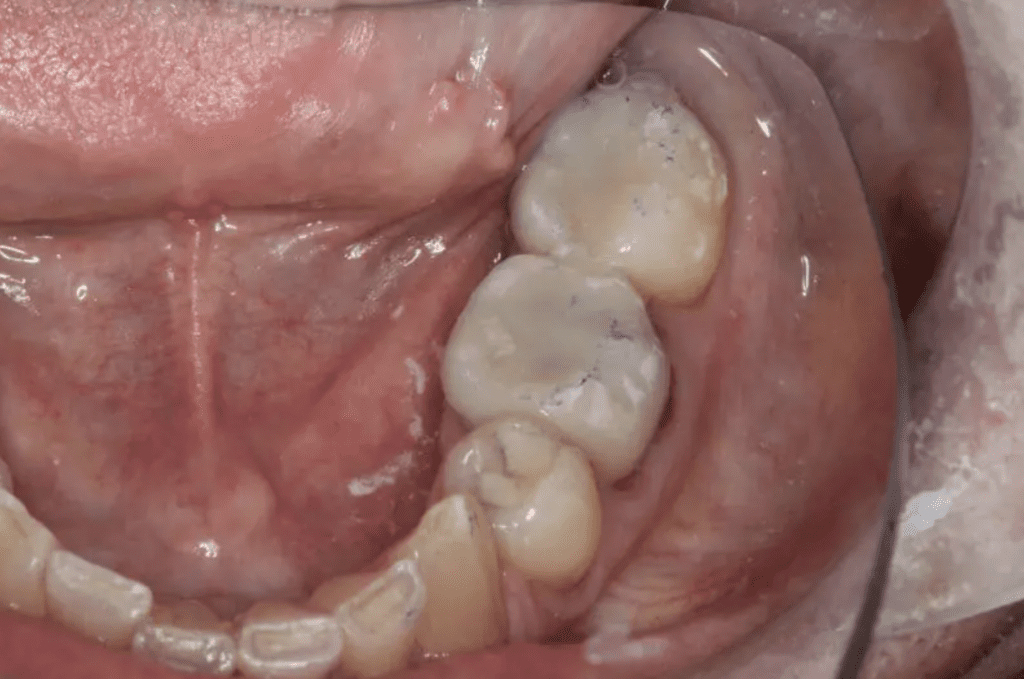
Dentist Education: How Do I Predictably Prep Second Molars?
By: Dr. Leonard A. Hess, DDSClinical Director, The Dawson AcademyArticle originally appeared on TheDawsonAcademy.com, Dr. Hess allowed…
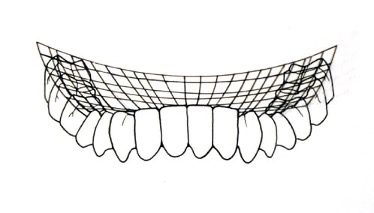
Sequencing a Full-Mouth Rehab: Anterior or Posteriors First?
The correct sequence to begin a full-mouth rehab is tobegin with the anterior teeth first, particularly the…
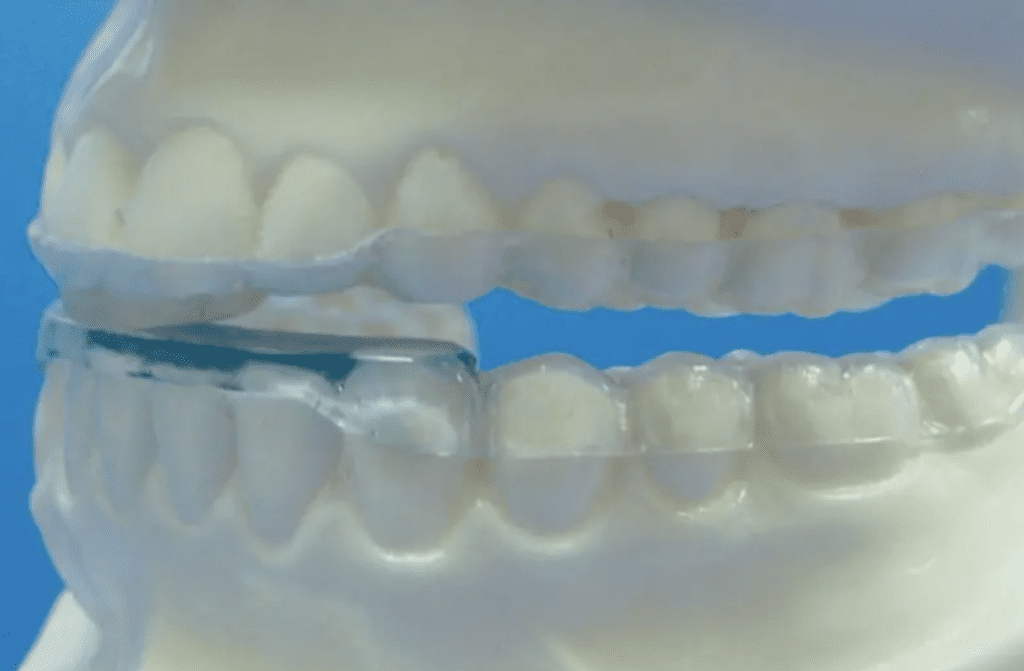
Q&A with Dr. Hess: Patients Who Have More Pain After Wearing a B-Splint
By: Dr. Leonard A. Hess, DDSClinical Director, The Dawson AcademyThe Article Originally Appeared on TheDawsonAcademy.com Question: What…
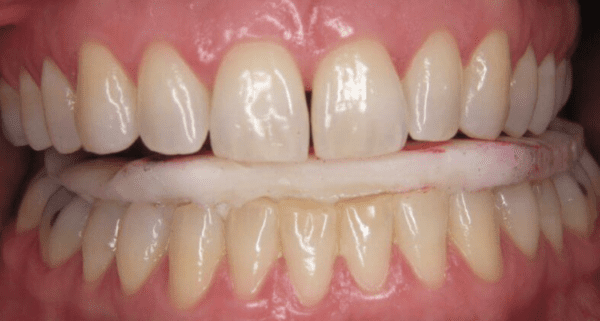
Splint Therapy: Time Is On Our Side
By: Will Kelly DMDArticle Originally Appeared on PankeyGram.org My experience with splint therapy was like most dentists prior to developing the skills taught at Pankey. In fact, my appliance was not really therapy at all. Perhaps just a shot in the dark “helmet” that protected teeth against collisions with very little intention. Throughout the years…

5 Red Flags that Prevent New Dentists from Getting their First Practice Loan
Navigating Your Path to Practice: Most Common Red Flags that Prevent New Dentists from Getting their First Practice Loan By: Dr. David Rice You woke up today, and you’ve decided you’re finally ready to trade your associate handpiece for your owner handpiece! The key now is to make sure you’re the strongest borrower you can…
A Dentist’s Insight into Oil Pulling and Contemporary Dentistry
Navigating the Buzz: A Dentist’s Take on Contemporary Dentistry & Oil Pulling By: Dr. David Rice It’s not uncommon for us to encounter TikTok trends that capture public attention. Lately, one such topic that has resurfaced and re-sparked interest is oil pulling—an ancient tradition with wild claims of modern-day oral health benefits. As professionals dedicated…
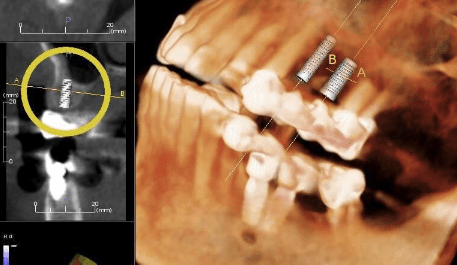
Adult Growth of the Dental Arch
A comprehensive understanding of the complex interplay between all of these changesin the dental arch is essential to restorative dentistry. By: Dr. Roger Solow DDSArticle Originally Appeared on PankeyGram.org Successful restorative dentistry now hinges on an understanding that physiological changes occur over a lifetime. It’s detrimental to treat the dynamic relationship between dental occlusion and…
Transforming Financial Challenges into Triumphs: Lessons from Dr. Maragliano-Muniz’s Journey
Interviewer: Tanya Sue Maestas, DDSInterviewee: Dr. Pamela Maragliano-MunizEdited By: Candy Velez – CRDH, BSDH We had the pleasure of speaking with Dr. Pamela Maragliano-Muniz, who shared a personal financial mistake she made and how it shaped her approach to dentistry. Dr. Maragliano-Muniz’s story serves as a valuable lesson for all dental professionals, highlighting the importance…
First Day of Private Practice
By: Savannah Craig The night before my first day of private practice felt a lot like the first day of school. I laid out my new scrubs, packed my lunch box, and double-checked my alarm was set ten times before I finally went to sleep. Of course, I woke up before my alarm with those…
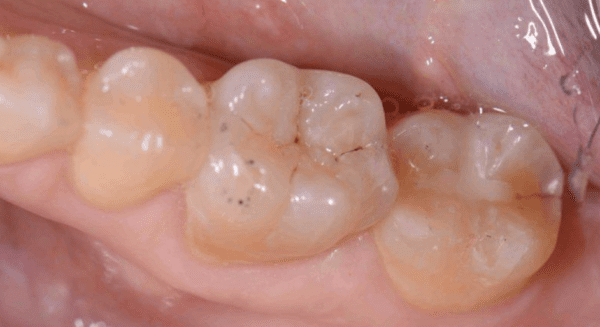
Do Patients Parafunction In Centric Relation?
By: Lee Ann Brady DMDArticle Originally Appeared on PankeyGram.org Seated Condylar Position I know even the mention of the words centric relation probably has some readers bristling, as this is a much argued-over topic. With that said the research by Lundeen and Gibbs at the University of Florida shows that we do seat our condyles…

Swishing to Wellness: Oil Pulling for Oral Radiance
By: Dr. David Rice In the quest for natural and holistic oral care, you might have come across the ancient practice of oil pulling. This age-old technique, rooted in Ayurvedic traditions, involves swishing oil in the mouth for several minutes – as you’ll see below – several being an understatement. Let’s delve into the details,…
Navigating Dental Excellence with Jonathan Miller
Interviewer: Tanya Sue Maestas, DDSInterviewee: Jonathan MillerEdited By: Candy Velez – CRDH, BSDH Welcome back to Dental Fuel, where we unlock the keys to dental success. In this episode, we explore pivotal concepts that will reshape your dental journey. Discover the art of effective delegation, empowering your team for unparalleled efficiency, and the transformative impact…
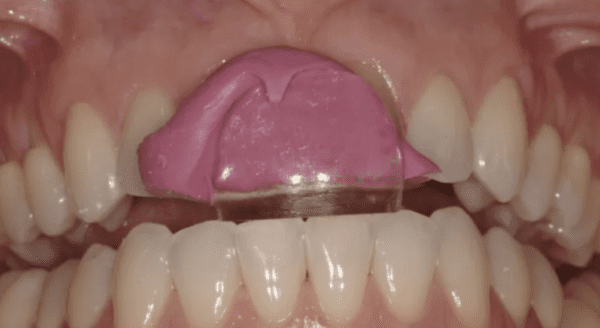
My Favorite Occlusal Deprogrammers
By: Lee Ann Brady DMDTopic Originally Appeared on PankeyGram.org Deprogramming of the lateral pterygoid muscle is generally done by placing something in the anterior that eliminates posterior occlusal contact. I have two “go-to” deprogrammers. One is a leaf gauge or what is often referred to as a Lucia jig, and the other is a little device…