

Dr. Leonard Hess began teaching continuing education courses in 2005, and the topics include occlusion, smile design, treatment planning, preparation design, and practice integration of complete dentistry.
He’s taught full-day continuing education courses at the American Academy of Cosmetic Dentistry’s national meeting, The Greater New York Dental Meeting, AACD National Meeting, Pacific Dental Conference, Ontario Dental Association meeting, and The Yankee Dental Conference.
Dr. Hess also has taught courses in Japan, Germany, Poland, China, and Canada.
Dr. Hess is currently serving as the Senior Clinical Director at The Dawson Academy. He also owns Union County Center for Comprehensive Dentistry in Charlotte, North Carolina.
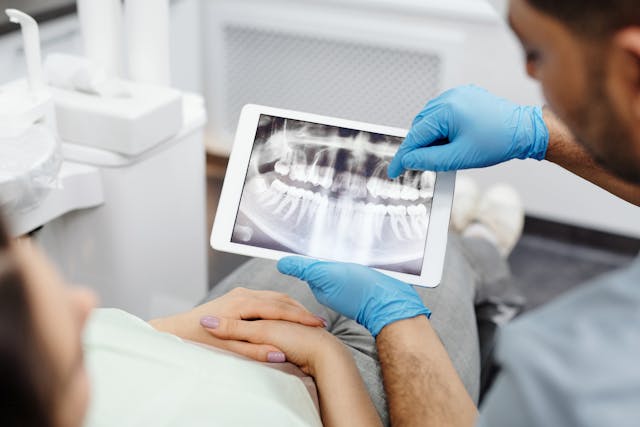
Complete Examinations in Dentistry
By: Dr. Leonard A. Hess, DDSClinical Director, The Dawson AcademyThe Article Originally Appeared on TheDawsonAcademy.com. Dr. Hess…

How To Track Key Dental Practice Performance Metrics
By: Dr. Leonard A. Hess, DDSClinical Director, The Dawson AcademyThe Article Originally Appeared on TheDawsonAcademy.com Measure What’s…

Top Phone Greeting Tips for Dental Practices
By: Dr. Leonard A. Hess, DDSClinical Director, The Dawson AcademyThe Article Originally Appeared on TheDawsonAcademy.com In today’s…
How to Master a Complete Dental Examination
By: Dr. Leonard A. Hess, DDS, Clinical Director, The Dawson AcademyThis article originally appeared on TheDawsonAcademy.com, Dr….
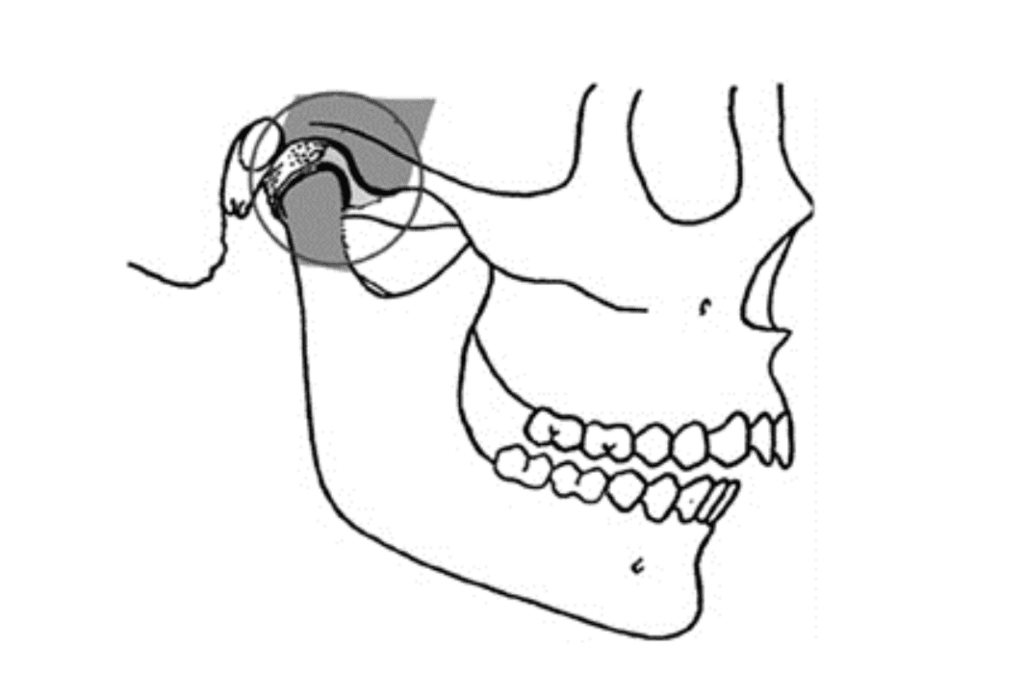
How Do You Know If You Achieved Centric Relation?
By: Dr. Leonard A. Hess, DDSClinical Director, The Dawson AcademyThis article originally appeared on TheDawsonAcademy.com, Dr. Hess…

TMJ 101: The Best TMD Treatment Options For Dentists
By: Dr. Leonard A. Hess, DDSClinical Director, The Dawson AcademyThis article originally appeared on TheDawsonAcademy.com, Dr. Hess…

What is Fremitus and Why Should You Check For It?
By: Dr. Leonard A. Hess, DDSClinical Director, The Dawson AcademyThis article originally appeared on TheDawsonAcademy.com, Dr. Hess allowed igniteDDS to…
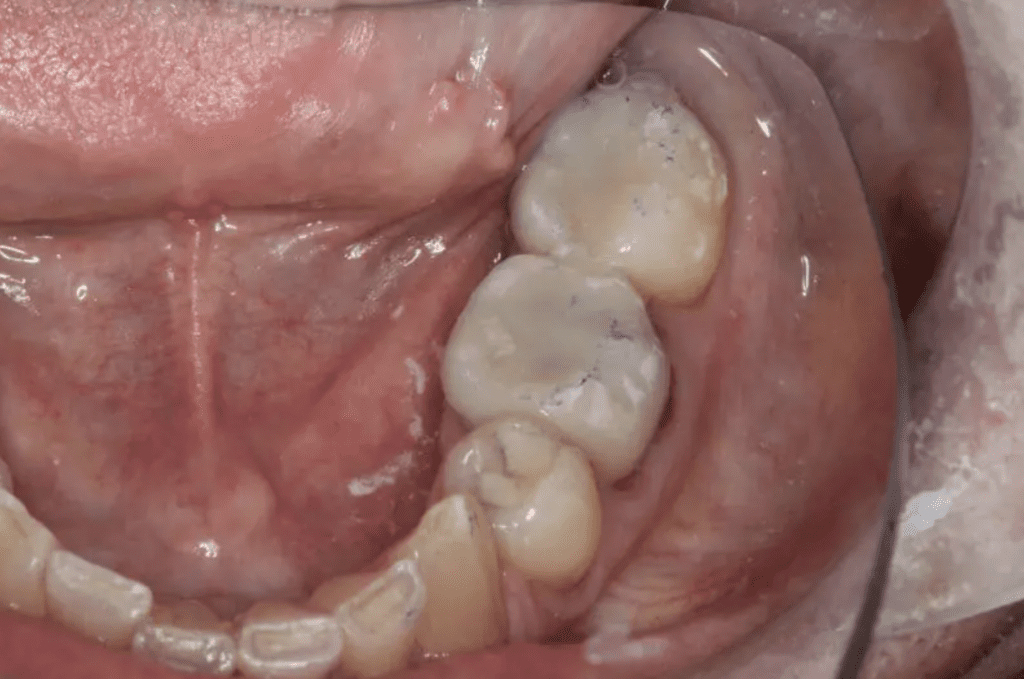
Dentist Education: How Do I Predictably Prep Second Molars?
By: Dr. Leonard A. Hess, DDSClinical Director, The Dawson AcademyArticle originally appeared on TheDawsonAcademy.com, Dr. Hess allowed…
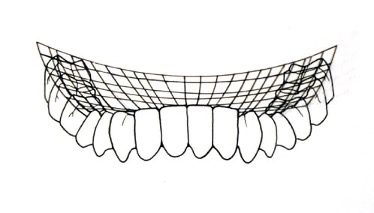
Sequencing a Full-Mouth Rehab: Anterior or Posteriors First?
The correct sequence to begin a full-mouth rehab is tobegin with the anterior teeth first, particularly the…
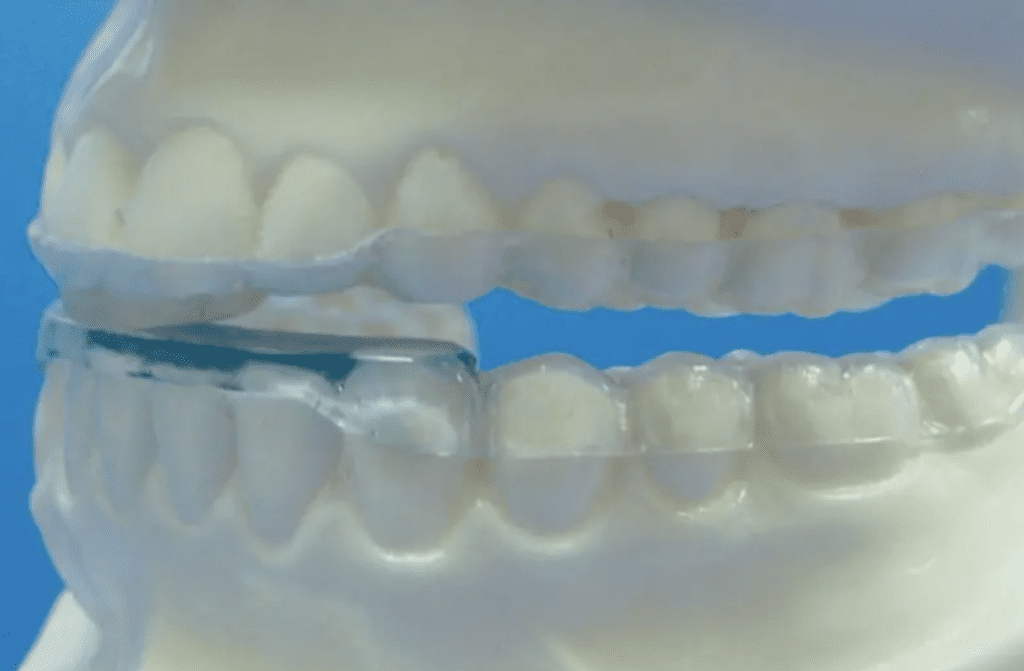
Q&A with Dr. Hess: Patients Who Have More Pain After Wearing a B-Splint
By: Dr. Leonard A. Hess, DDSClinical Director, The Dawson AcademyThe Article Originally Appeared on TheDawsonAcademy.com Question: What…

Lessons I Learned in My First Year of Dentistry
By: Dr. Savanah Craig Each year feels like it moves faster than the one before it. In the blink of an eye, 52 weeks have passed and it can be easy to miss how far you have come – unless you take the time to reflect. This year has been the first year of my…

Tongue Ties, Restricted Fascia, and Mouth Breathing
By: Dr. Soroush Zaghi, MDThis topic originally appeared on TheDawsonAcademy.com. Dr. Zaghi granted permission for igniteDDS to share with our readers. The consequences of tongue ties, restricted fascia, and mouth breathing, are explained by a leading expert, physician, and researcher in nasal obstruction, snoring, and sleep-disordered breathing. Conversation with Dr. Zaghi on Tongue Ties, Restricted…

Ready or Not: How to Know When It’s Time to Buy a Dental Practice
By: Dr. Hannah Crowell Buying a dental practice is a significant milestone in your career as a dentist. It represents not only a financial investment but also a commitment to managing a business and caring for a patient base. Deciding when you’re ready to take this step requires careful consideration of several key factors. 7…

Help…My Dental Assistant Won’t Restock the Treatment Rooms
By: Ronda Holman My name is Ronda Holman and I have been sitting across from a dentist for a living for the last 25 years. I thought it might be time to make some written confessions about what I have been guilty of over the years and how my dentist effectively molded me into their…

Maximizing Team Member Engagement
By: Mark Kleive DDSThis article originally appeared on Pankey.org. Dr. Kleive granted permission for igniteDDS to share it with our readers. Keeping your team members motivated and actively participating throughout the year is no small feat. Without a solid communication-based framework, things can easily fall apart, undermining the cohesion and productivity of your practice. During…

Cultivating Team Synergy in Dental Practice Management: Insights from the Trenches
Dentistry, while rooted in medical science, is profoundly shaped by the personalities at play within a practice. The realm of managing a dental team extends beyond clinical skills, delving into the nuanced art of fostering a positive workplace culture that ultimately reflects in patient satisfaction. Join Dr. Savanah Craig and Dr. Ronnetta Sartor as they…
Quick Take: Elevating Common Dental Procedures with the Solea
By: David Rice, DDS The Solea® All-Tissue Dental Laser from Convergent Dental is a breakthrough dental technology that enables dentists to perform a wide range of anesthesia-free, blood-free, and pain-free procedures in hard- and soft-tissue. Those who have an interest in lasers understand that Solea’s unique 9.3-micron CO2 technology makes it superior in handling anesthesia-free…

Know Your Patients: One of the Keys to Successful Treatment
By: Mike Crete DDSThis topic originally appeared on Pankey.org. Dr. Crete granted permission for it to be shared with igniteDDS readers. Have you ever found yourself explaining a treatment plan to a patient, only to be met with a blank stare and silence for a minute? It’s a common scenario indicating that while the patient…
Redefining Success: Insights from Dental Professionals on Career Fulfillment
In a world where the definition of success is often blurred by societal expectations and personal aspirations, two rising dental professionals engage in a candid conversation that demystifies the concept of success. Dr. Craig and Dr. Sartor delve into what it means to achieve success in both personal and professional spheres, particularly in the field…
Innovative Dental Technology Increases Efficiency & Production
By: Michael T. Kelly, DMDThis topic originally appeared on ConvergentDental.com. Dr. Kelly granted permission for it to be shared with igniteDDS readers. Michael T. Kelly, DMD of Aesthetic Dentistry of Scottsdale is committed to dental excellence and strives to teach others about advancing dental techniques. He and his team successfully utilize innovative dental technology to…