

Dr. Leonard Hess began teaching continuing education courses in 2005, and the topics include occlusion, smile design, treatment planning, preparation design, and practice integration of complete dentistry.
He’s taught full-day continuing education courses at the American Academy of Cosmetic Dentistry’s national meeting, The Greater New York Dental Meeting, AACD National Meeting, Pacific Dental Conference, Ontario Dental Association meeting, and The Yankee Dental Conference.
Dr. Hess also has taught courses in Japan, Germany, Poland, China, and Canada.
Dr. Hess is currently serving as the Senior Clinical Director at The Dawson Academy. He also owns Union County Center for Comprehensive Dentistry in Charlotte, North Carolina.
Complete Examinations in Dentistry
By: Dr. Leonard A. Hess, DDSClinical Director, The Dawson AcademyThe Article Originally Appeared on TheDawsonAcademy.com. Dr. Hess…

How To Track Key Dental Practice Performance Metrics
By: Dr. Leonard A. Hess, DDSClinical Director, The Dawson AcademyThe Article Originally Appeared on TheDawsonAcademy.com Measure What’s…

Top Phone Greeting Tips for Dental Practices
By: Dr. Leonard A. Hess, DDSClinical Director, The Dawson AcademyThe Article Originally Appeared on TheDawsonAcademy.com In today’s…
How to Master a Complete Dental Examination
By: Dr. Leonard A. Hess, DDS, Clinical Director, The Dawson AcademyThis article originally appeared on TheDawsonAcademy.com, Dr….
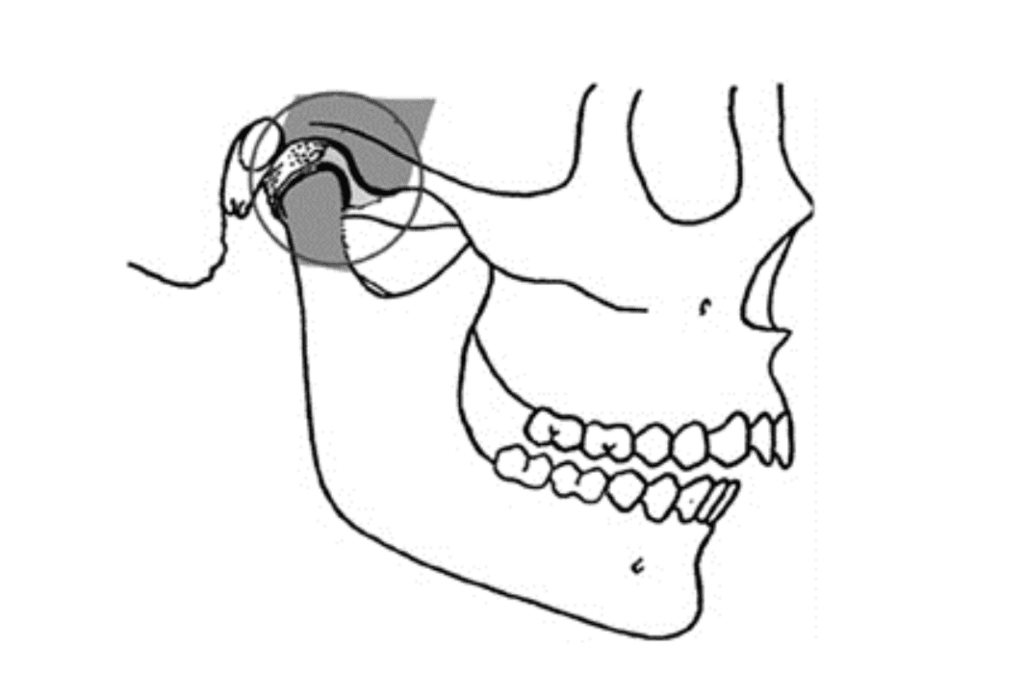
How Do You Know If You Achieved Centric Relation?
By: Dr. Leonard A. Hess, DDSClinical Director, The Dawson AcademyThis article originally appeared on TheDawsonAcademy.com, Dr. Hess…
TMJ 101: The Best TMD Treatment Options For Dentists
By: Dr. Leonard A. Hess, DDSClinical Director, The Dawson AcademyThis article originally appeared on TheDawsonAcademy.com, Dr. Hess…

What is Fremitus and Why Should You Check For It?
By: Dr. Leonard A. Hess, DDSClinical Director, The Dawson AcademyThis article originally appeared on TheDawsonAcademy.com, Dr. Hess allowed igniteDDS to…
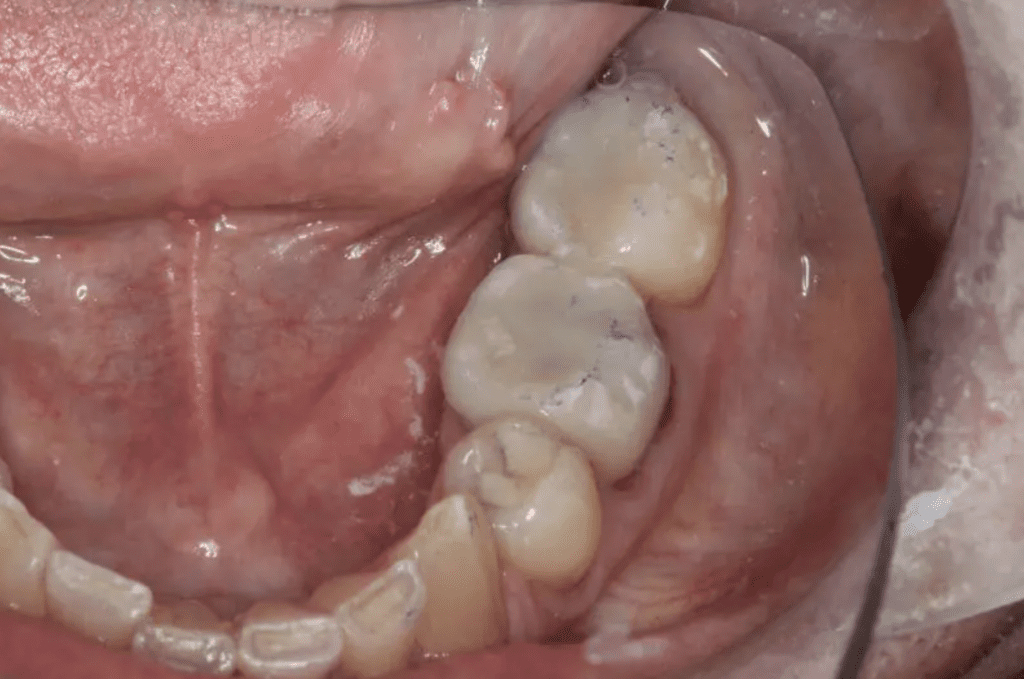
Dentist Education: How Do I Predictably Prep Second Molars?
By: Dr. Leonard A. Hess, DDSClinical Director, The Dawson AcademyArticle originally appeared on TheDawsonAcademy.com, Dr. Hess allowed…
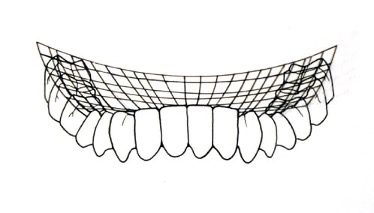
Sequencing a Full-Mouth Rehab: Anterior or Posteriors First?
The correct sequence to begin a full-mouth rehab is tobegin with the anterior teeth first, particularly the…
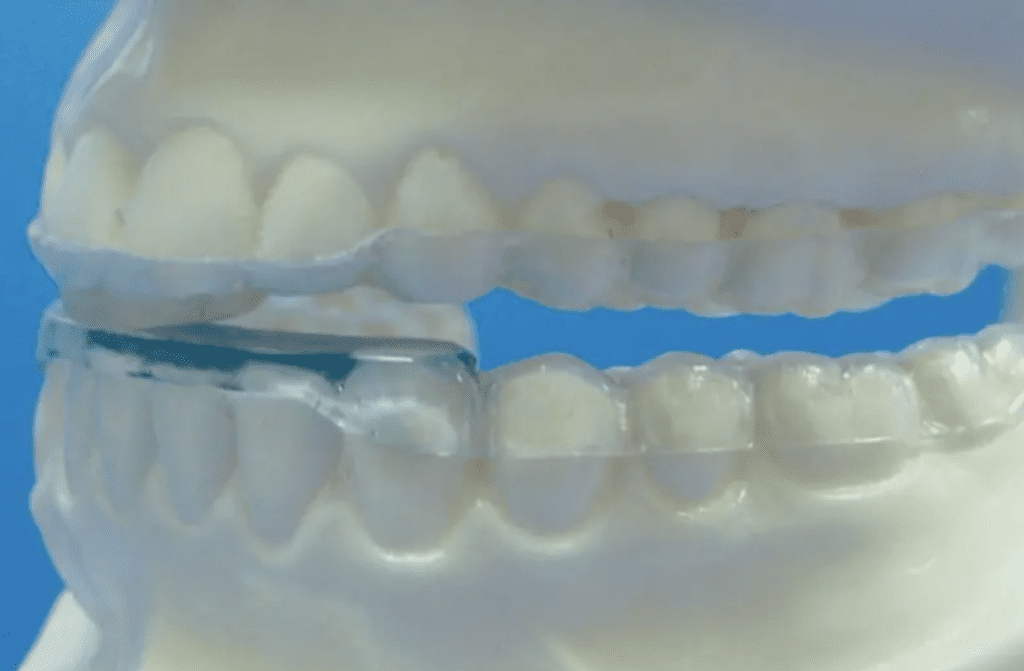
Q&A with Dr. Hess: Patients Who Have More Pain After Wearing a B-Splint
By: Dr. Leonard A. Hess, DDSClinical Director, The Dawson AcademyThe Article Originally Appeared on TheDawsonAcademy.com Question: What…

Individualized Patient Details for Lifelong Relationships
By: DeAnne Blazek DDSThis topic originally appeared on Pankey.org. Dr. Blazek granted permission for igniteDDS to share with our readers. We see many patients daily and, it’s hard to remember all of them. You may remember their dental concerns or recall your work once you examined but not the people themselves. Keeping an individualized notebook…

Embracing Balance in Dentistry: Dr. Naved Fatmi on Avoiding Burnout
Host: Dr. Tanya Sue MaestasGuest: Dr. Naved FatmiEdited By: Candy Velez CRDH In the fast-paced world of dentistry, balancing practice demands with personal well-being can often feel like walking a tightrope. Burnout, a state of emotional, physical, and mental exhaustion caused by excessive and prolonged stress, looms as a serious risk. Fortunately, Dr. Naved Fatmi’s…
Exceeding Dental Patient Expectations
A Practice of Exceeding Dental Patient Expectation By: Timothy Anderson, DDSThis topic originally appeared on ConvergentDental.com. Dr. Anderson granted permission for igniteDDS to share with our readers. Patient-Centered, Technology-Driven Culture A few years ago, I did the crazy thing of starting a dental practice from scratch. Naturally, there were some hurdles and struggles, specifically doing…
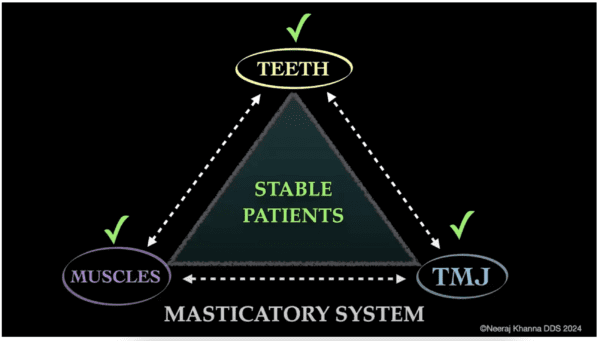
What is Function and Aesthetics in Dentistry?
By: Dr. Neeraj KhannaTopic originally appeared on TheDawsonAcademy.com. Dr. Khanna granted permission for igniteDDS to share with our readers. Let’s face it – it’s an image-conscious world we live in. Patients often walk into dental offices with a single goal: achieving that perfect smile (while treating other underlying issues.) However, this focus on aesthetics can…
Navigating Financial Pitfalls in Dentistry: Insights from Dr. Naved Fatmi
Host: Dr. Tanya Sue MaestasGuest: Dr. Naved FatmiEdited By: Candy Velez CRDH Welcome back to another episode of Dental Fuel, the podcast that delves into the rarely discussed middle stages of dental practices—the mistakes and learnings that shape success. In this episode, we are thrilled to have Dr. Naved Fatmi return to share his valuable…
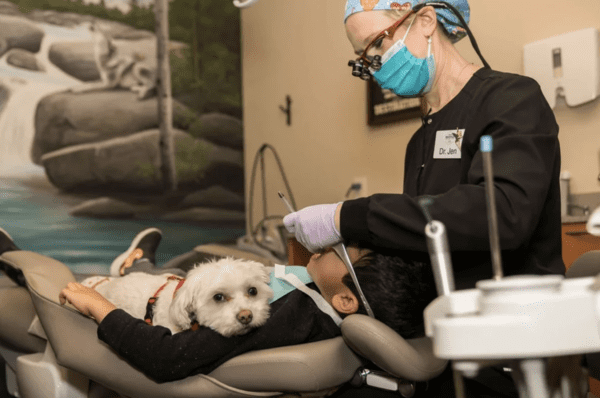
From Erbium to Solea: Falling in Love with Pediatric Dentistry Again
By: Jennifer Bryk Hechko, DDS, MS, FAAPDTopic originally appeared on ConvergentDental.com. Dr. Hechko granted permission for igniteDDS to share with our readers. My Solea Story started back in May of 2017 when I purchased a practice that had an erbium laser. That laser served as a really nice coat rack for a couple of years…
Going Beyond Traditional Dentistry To Improve Dental Care
By: Bill Gregg DDSTopic originally appeared on Pankey.org. Dr. Gregg granted permission for igniteDDS to share with our readers. Lately, we see a positive tendency of the dental profession to improve the approach to how we take care of our patients. The fear most patients have of the dentist usually comes from traditional dentistry, when…
The Race to the Finish Line with Ecosite Elements
By: Sable A Muntean, DMD, MHSAThis article originally appeared on DMG-Connect.com. Dr. Muntean granted permission for it to be shared with igniteDDS readers. It is a super busy day at the office and you have a patient walk in with two chipped front teeth that need to be addressed because he has a big business…
Transitioning from Dental School to Clinical Practice
By: Dr. Savanah Craig After spending 4 years of my life in an academic environment surrounded by the minute details of dentistry, the transition to clinical practice can be challenging. Difficulties Transitioning from Dental School to Clinical Practice These aspects of dentistry have been challenges faced by every new graduate from dental school. Technical Knowledge…

Occlusal Examination: Why and How
By: Bill Gregg DDSThis topic originally appeared on Pankey.org. Dr. Gregg gave permission for igniteDDS to share with our readers. The occlusal examination during hygiene assessment is important to maintain a healthy patient dentition and to ensure that the temporomandibular joint is functioning properly. This will help prevent any upcoming symptoms like muscle pain, which…