

Dr. Leonard Hess began teaching continuing education courses in 2005, and the topics include occlusion, smile design, treatment planning, preparation design, and practice integration of complete dentistry.
He’s taught full-day continuing education courses at the American Academy of Cosmetic Dentistry’s national meeting, The Greater New York Dental Meeting, AACD National Meeting, Pacific Dental Conference, Ontario Dental Association meeting, and The Yankee Dental Conference.
Dr. Hess also has taught courses in Japan, Germany, Poland, China, and Canada.
Dr. Hess is currently serving as the Senior Clinical Director at The Dawson Academy. He also owns Union County Center for Comprehensive Dentistry in Charlotte, North Carolina.
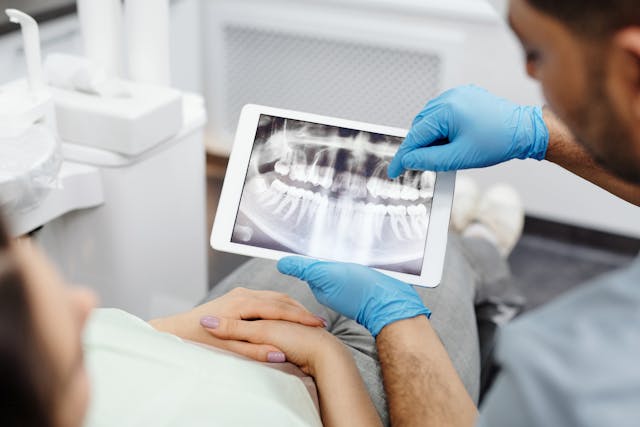
Complete Examinations in Dentistry
By: Dr. Leonard A. Hess, DDSClinical Director, The Dawson AcademyThe Article Originally Appeared on TheDawsonAcademy.com. Dr. Hess…

How To Track Key Dental Practice Performance Metrics
By: Dr. Leonard A. Hess, DDSClinical Director, The Dawson AcademyThe Article Originally Appeared on TheDawsonAcademy.com Measure What’s…

Top Phone Greeting Tips for Dental Practices
By: Dr. Leonard A. Hess, DDSClinical Director, The Dawson AcademyThe Article Originally Appeared on TheDawsonAcademy.com In today’s…
How to Master a Complete Dental Examination
By: Dr. Leonard A. Hess, DDS, Clinical Director, The Dawson AcademyThis article originally appeared on TheDawsonAcademy.com, Dr….
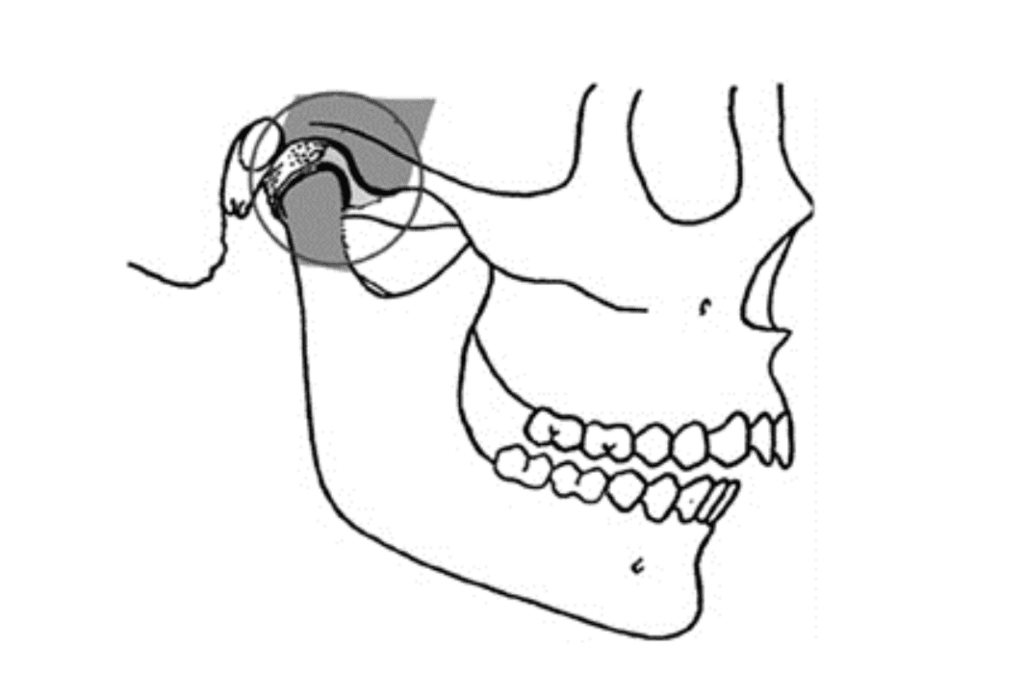
How Do You Know If You Achieved Centric Relation?
By: Dr. Leonard A. Hess, DDSClinical Director, The Dawson AcademyThis article originally appeared on TheDawsonAcademy.com, Dr. Hess…

TMJ 101: The Best TMD Treatment Options For Dentists
By: Dr. Leonard A. Hess, DDSClinical Director, The Dawson AcademyThis article originally appeared on TheDawsonAcademy.com, Dr. Hess…

What is Fremitus and Why Should You Check For It?
By: Dr. Leonard A. Hess, DDSClinical Director, The Dawson AcademyThis article originally appeared on TheDawsonAcademy.com, Dr. Hess allowed igniteDDS to…
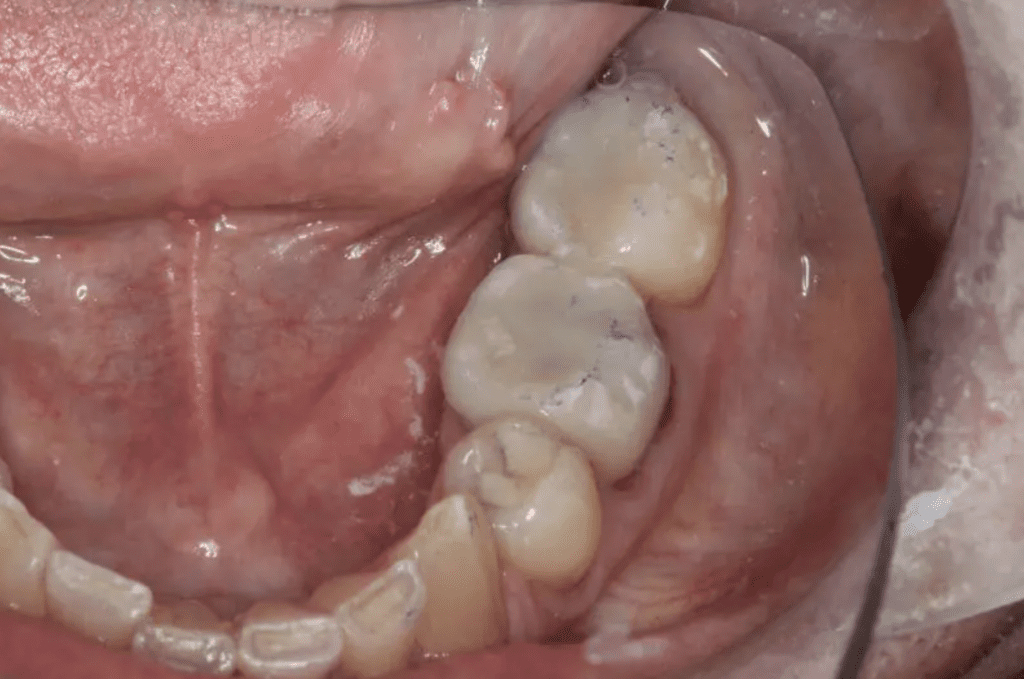
Dentist Education: How Do I Predictably Prep Second Molars?
By: Dr. Leonard A. Hess, DDSClinical Director, The Dawson AcademyArticle originally appeared on TheDawsonAcademy.com, Dr. Hess allowed…
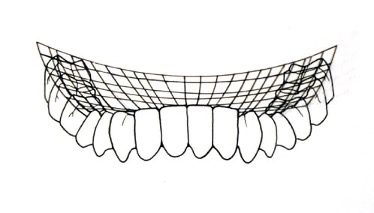
Sequencing a Full-Mouth Rehab: Anterior or Posteriors First?
The correct sequence to begin a full-mouth rehab is tobegin with the anterior teeth first, particularly the…
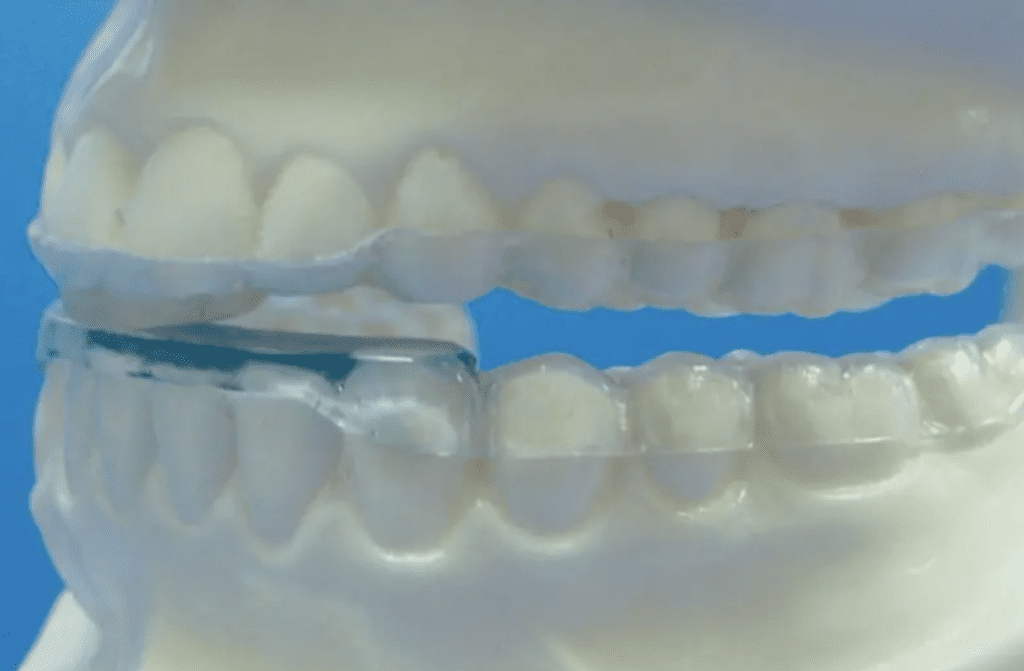
Q&A with Dr. Hess: Patients Who Have More Pain After Wearing a B-Splint
By: Dr. Leonard A. Hess, DDSClinical Director, The Dawson AcademyThe Article Originally Appeared on TheDawsonAcademy.com Question: What…

Meeting Patient Expectations in Dentistry
By: Kelley Brummett DMDThis topic originally appeared on Pankey.org. Dr. Brummett granted permission for igniteDDS to share with our readers. Meeting patients’ expectations requires excellent communication and understanding of their desires to look at what you can do to solve their problems. Once you understand their expectations, you will know which of the treatment plans…

Patient-Friendly Language: Explaining Treatment Plans without Jargon
By: Dawn Patrick, Dental Coach and Director of Operations, IgniteDDS As dental professionals, one of the greatest challenges we face is explaining complex treatment plans to patients in a way that is clear and approachable. Often, our expertise can lead us to use industry-specific terminology that can confuse or even overwhelm patients. When patients don’t…

Help…My Dental Assistant Breaks Stuff!
By: Ronda Holman As a dentist, you know how quickly the cost of running a dental office can add up. From high-tech dental equipment to everyday tools, every piece plays an essential role in delivering quality care. But what happens when you notice a pattern of things breaking—and it’s often the same person involved? Take…

A Six-Unit Anterior Bridge: Provisionals and Placement
By: Lee Ann Brady DMDTopic originally appeared on Pankey.org: Dr. Brady allowed permission for igniteDDS to share with our readers My patient wasn’t satisfied with the aesthetics and feel of her previous restoration. Detailed planning enabled me to deliver a beautiful, functional result. Here is the conclusion of this case and the placement of the…

Navigating Dental Technology Investments: A Journey to Practice Growth & Finding Your ‘Why’ with Dr. Chad Duplantis
Host: Dr. Tanya Sue MaestasGuest: Dr. Chad DuplantisEdited By: Candy Velez CRDH The world of dentistry is continually evolving as new technologies emerge, promising to revamp practice operations and patient care. However, incorporating these advancements isn’t always straightforward – it’s a journey that encompasses not only financial acumen but also a deep understanding of one’s…

A Practical Guide to Bonus Cylces in Dentistry: Building Accountability and Excellence
By: Dawn Patrick, Dental Coach and Director of Operations, IgniteDDS As a dental practice owner, you might wonder what a truly motivated team could bring to your practice. Imagine a team that performs well and is genuinely engaged, bringing energy, commitment, and productivity to the table every day. This level of motivation can transform your…
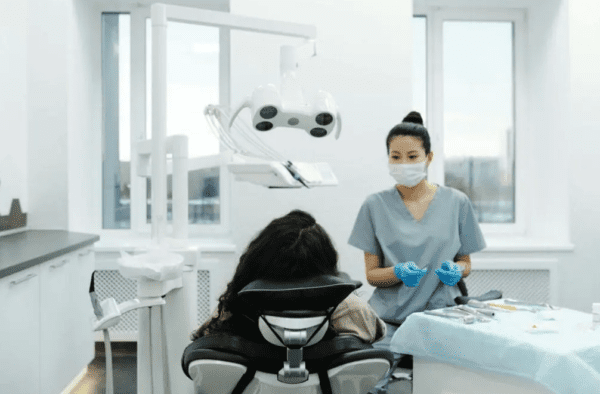
How To Track Key Dental Practice Performance Metrics
By: Dr. Leonard A. Hess, DDSClinical Director, The Dawson AcademyThe Article Originally Appeared on TheDawsonAcademy.com Measure What’s Really Important and Accomplish What Really Matters In his groundbreaking book, Thriving on Chaos, Tom Peters proclaims, “What gets measured gets done.” He further explains, “Develop simple systems that encourage participation and understanding by everyone.” In other words,…

How to Improve Communication with Dental Patients for Better Treatment Acceptance
By: Dawn Patrick, Dental Coach and Director of Operations, IgniteDDS Effective communication plays a crucial role in any dental practice, not just for patient satisfaction but also for ensuring high treatment acceptance rates. When dental teams communicate clearly, compassionately, and in a patient-centered way, patients are more likely to feel understood and trust the treatment…

Why Dentists Shouldn’t Be Afraid to Ask for Financial Help
By: Todd Doobrow, CFP In today’s fast-paced world, dentists face numerous challenges, from human resources, to maintaining the latest technology to managing rising operational costs. Despite their expertise in oral health, many practitioners find themselves hesitant to seek financial help when needed. No two doctors are alike, so just copying what peers have done can…
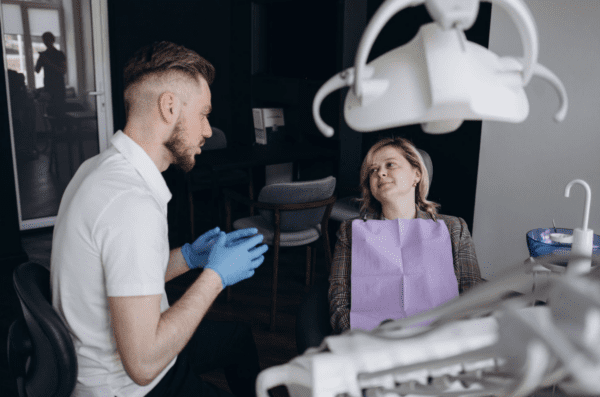
2 Ways to Increase Dental Case Acceptance
By: Mark Murphy DDSThis topic originally appeared on Pankey.org. Dr. Murphy granted permission for igniteDDS to share with our readers. It can take years to gain the experience of increasing your case acceptance. You have to be consistent in doing your job. The fact that a patient’s genuine intentions might not be immediately clear is…