

Dr. Leonard Hess began teaching continuing education courses in 2005, and the topics include occlusion, smile design, treatment planning, preparation design, and practice integration of complete dentistry.
He’s taught full-day continuing education courses at the American Academy of Cosmetic Dentistry’s national meeting, The Greater New York Dental Meeting, AACD National Meeting, Pacific Dental Conference, Ontario Dental Association meeting, and The Yankee Dental Conference.
Dr. Hess also has taught courses in Japan, Germany, Poland, China, and Canada.
Dr. Hess is currently serving as the Senior Clinical Director at The Dawson Academy. He also owns Union County Center for Comprehensive Dentistry in Charlotte, North Carolina.
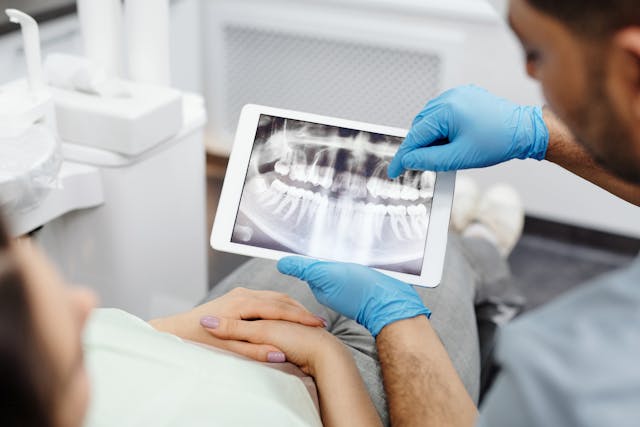
Complete Examinations in Dentistry
By: Dr. Leonard A. Hess, DDSClinical Director, The Dawson AcademyThe Article Originally Appeared on TheDawsonAcademy.com. Dr. Hess…

How To Track Key Dental Practice Performance Metrics
By: Dr. Leonard A. Hess, DDSClinical Director, The Dawson AcademyThe Article Originally Appeared on TheDawsonAcademy.com Measure What’s…

Top Phone Greeting Tips for Dental Practices
By: Dr. Leonard A. Hess, DDSClinical Director, The Dawson AcademyThe Article Originally Appeared on TheDawsonAcademy.com In today’s…
How to Master a Complete Dental Examination
By: Dr. Leonard A. Hess, DDS, Clinical Director, The Dawson AcademyThis article originally appeared on TheDawsonAcademy.com, Dr….
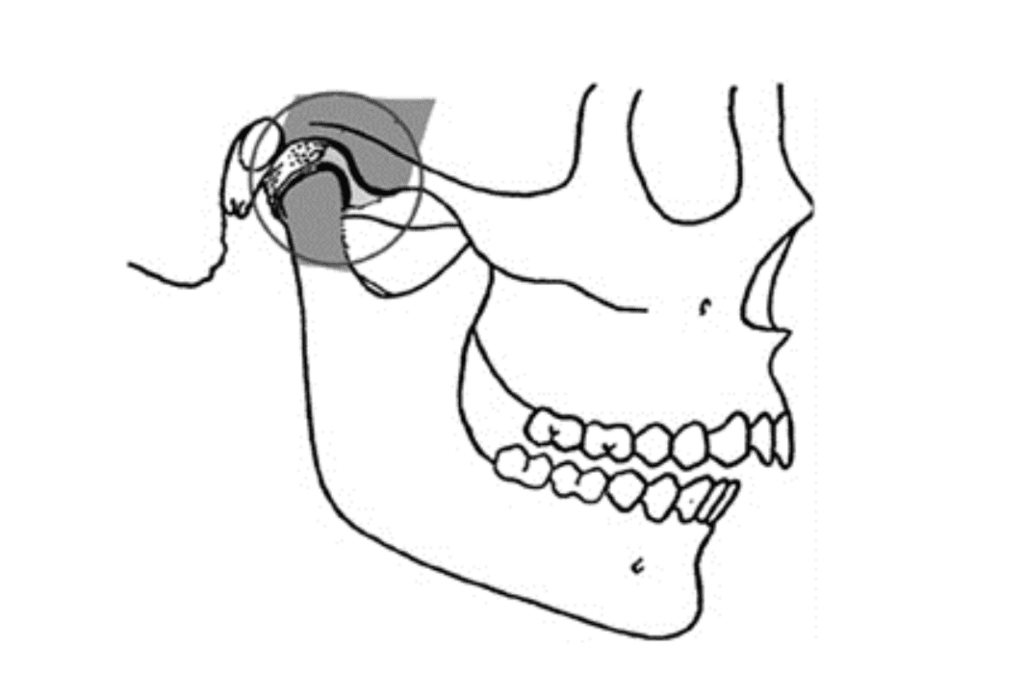
How Do You Know If You Achieved Centric Relation?
By: Dr. Leonard A. Hess, DDSClinical Director, The Dawson AcademyThis article originally appeared on TheDawsonAcademy.com, Dr. Hess…
TMJ 101: The Best TMD Treatment Options For Dentists
By: Dr. Leonard A. Hess, DDSClinical Director, The Dawson AcademyThis article originally appeared on TheDawsonAcademy.com, Dr. Hess…

What is Fremitus and Why Should You Check For It?
By: Dr. Leonard A. Hess, DDSClinical Director, The Dawson AcademyThis article originally appeared on TheDawsonAcademy.com, Dr. Hess allowed igniteDDS to…
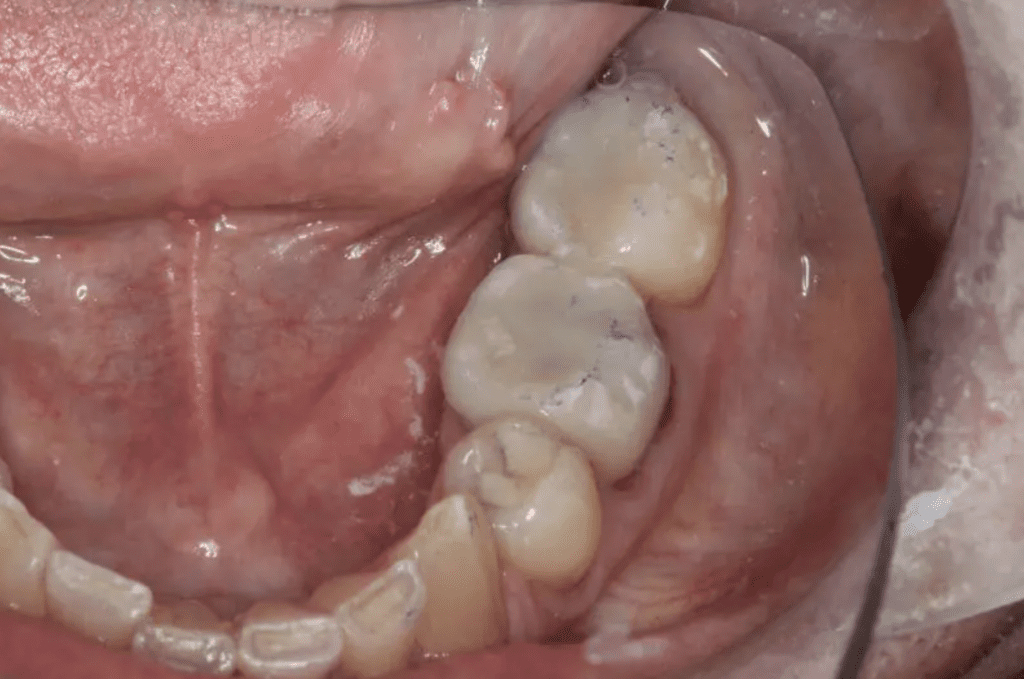
Dentist Education: How Do I Predictably Prep Second Molars?
By: Dr. Leonard A. Hess, DDSClinical Director, The Dawson AcademyArticle originally appeared on TheDawsonAcademy.com, Dr. Hess allowed…
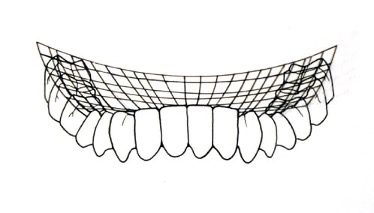
Sequencing a Full-Mouth Rehab: Anterior or Posteriors First?
The correct sequence to begin a full-mouth rehab is tobegin with the anterior teeth first, particularly the…
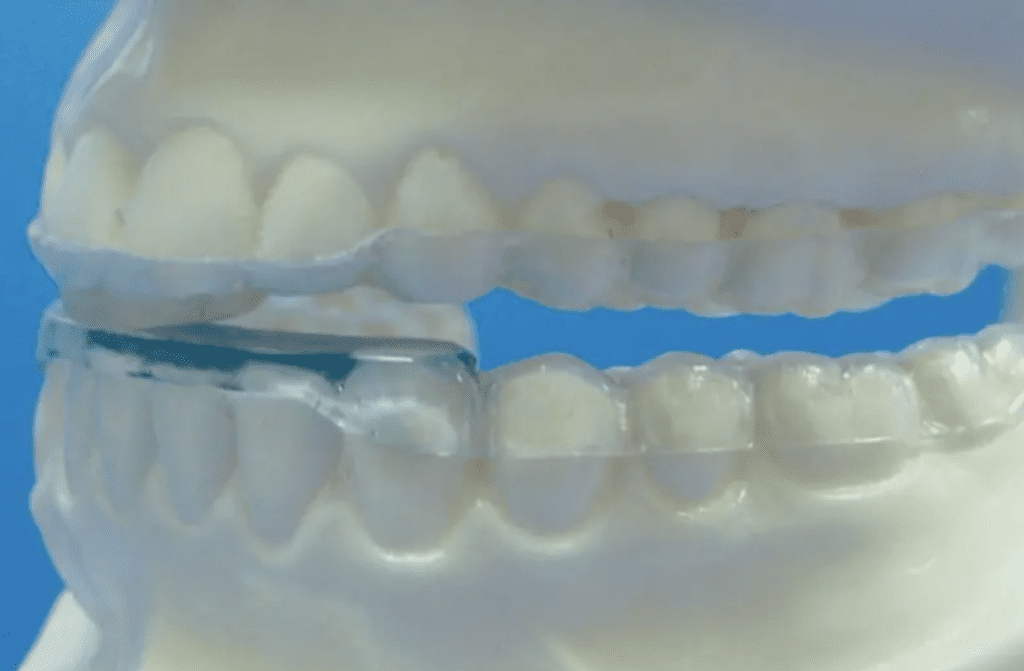
Q&A with Dr. Hess: Patients Who Have More Pain After Wearing a B-Splint
By: Dr. Leonard A. Hess, DDSClinical Director, The Dawson AcademyThe Article Originally Appeared on TheDawsonAcademy.com Question: What…

No Prep Veneers: Minimal Intervention, Maximum Impact
By: Michael Eid As dentists, preserving natural tooth structure is a top priority. No Prep Veneers offer a way to enhance smiles without sacrificing precious enamel. In this blog, I’ll share insights on how this innovative approach can help achieve the dream smile while keeping your natural teeth intact. What Are No Prep Veneers? No…

Compensation Doesn’t Have to Be Complicated
By: Garrett Wilson You’re trying to set competitive pay for your staff, but finding accurate compensation data is a challenge. So, you call a few peers at other dental offices to compare notes. The problem? Not only is this approach unreliable, it’s also illegal. Employers cannot legally collaborate to set wages, so relying on peer…

Are You Just a Bare Minimum Dentist? The Truth About the Standards You’re Held To
Upholding the Standard of Care in Dentistry By: Candy Velez – CRDH, BSDH As dental professionals, we are responsible for our patients’ health and well-being. However, demanding schedules, high patient volumes, and ingrained habits can create unintended gaps in care. Dentists may go years without scrutiny—until a reported incident places every aspect of a patient’s…
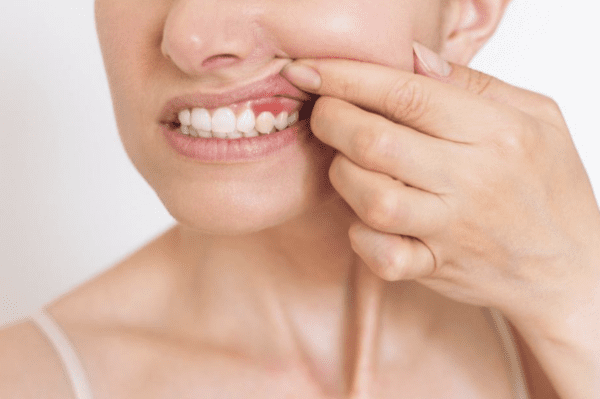
Efficiency of Chlorhexidine Varnish for Tissue Management
By: Lee Ann Brady DMDTopic originally appeared on PankeyGram.org. Dr. Brady granted permission for igniteDDS to share with our readers. Chlorhexidine has had a wide range of uses in dentistry for many years, including maintaining tissue health during periodontal therapy, reducing the risk of caries, and minimizing sensitivity. Along with the positive effects it has,…

Dental Insurance Fee Negotiation Process & Why Hire an Expert
By: Angela Holland Negotiating PPO fees is a crucial yet often overlooked step in maximizing your dental practice’s financial success. Done correctly, PPO fee negotiations can significantly increase insurance collections—without requiring more patients, additional treatments, or increased marketing costs. While the process can take anywhere from 9 to 18 months, the results are well worth…

You’re A Practice Owner…How Should You Hire an Associate?
By: Dr. Kaufman I have had at least one associate sometimes two over the last 16 years. I was an associate and that was almost 30 years ago. Here is my take, if you are the practice owner you need to be comfortable sharing your practice. Why Not Have An Associate? Some docs I know…
Dental Microscope: When We See Better, We Can Do Better
By: Michelle Lee, DDSTopic originally appeared on PankeyGram.Org. Dr. Lee granted permission for igniteDDS to share with our readers. Today, we have an abundance of restorative materials at our fingertips. Accurate case planning involves realizing the potential of digital design and precision-based dentistry to efficiently provide the best possible restorative care. My attitude to dentistry…

Stop the Chaos: How Accountability Transforms Your Dental Practice from Stressful to Profitable
By: Dawn Patrick, Dental Practice Coach + Director of Operations IgniteDDS As a dentist and business owner, you’re not just responsible for patient care—you’re responsible for building a successful practice. A well-run dental office doesn’t happen by chance. It’s built on systems, structure, and accountability. Without clear expectations for each team member, inefficiencies, miscommunication, and…

Together We Rise
By: Dr. Savanah Craig “If you want to go fast, go alone. If you want to go far, go together.” I have always believed Dentistry is a Team Sport. As dentists, practice owners, partners, etc., we are only as strong as the members of our team, and we cannot do it all on our own….

The Link Between Glycemic Index and Oral Health: Understanding How You Eat Affects Your Health
By: Michael Eid Since childhood, we’ve been taught one simple rule: candy causes cavities (also known as caries). It seems logical—something sugary and sticky clings to your teeth and “eats away” at the tooth structure. However, the process behind this is more complex than it appears. The connection between diet and dental caries lies in…