

Dr. Leonard Hess began teaching continuing education courses in 2005, and the topics include occlusion, smile design, treatment planning, preparation design, and practice integration of complete dentistry.
He’s taught full-day continuing education courses at the American Academy of Cosmetic Dentistry’s national meeting, The Greater New York Dental Meeting, AACD National Meeting, Pacific Dental Conference, Ontario Dental Association meeting, and The Yankee Dental Conference.
Dr. Hess also has taught courses in Japan, Germany, Poland, China, and Canada.
Dr. Hess is currently serving as the Senior Clinical Director at The Dawson Academy. He also owns Union County Center for Comprehensive Dentistry in Charlotte, North Carolina.
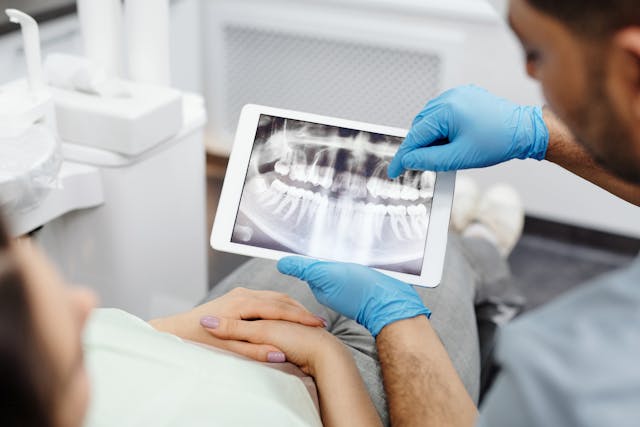
Complete Examinations in Dentistry
By: Dr. Leonard A. Hess, DDSClinical Director, The Dawson AcademyThe Article Originally Appeared on TheDawsonAcademy.com. Dr. Hess…

How To Track Key Dental Practice Performance Metrics
By: Dr. Leonard A. Hess, DDSClinical Director, The Dawson AcademyThe Article Originally Appeared on TheDawsonAcademy.com Measure What’s…

Top Phone Greeting Tips for Dental Practices
By: Dr. Leonard A. Hess, DDSClinical Director, The Dawson AcademyThe Article Originally Appeared on TheDawsonAcademy.com In today’s…
How to Master a Complete Dental Examination
By: Dr. Leonard A. Hess, DDS, Clinical Director, The Dawson AcademyThis article originally appeared on TheDawsonAcademy.com, Dr….
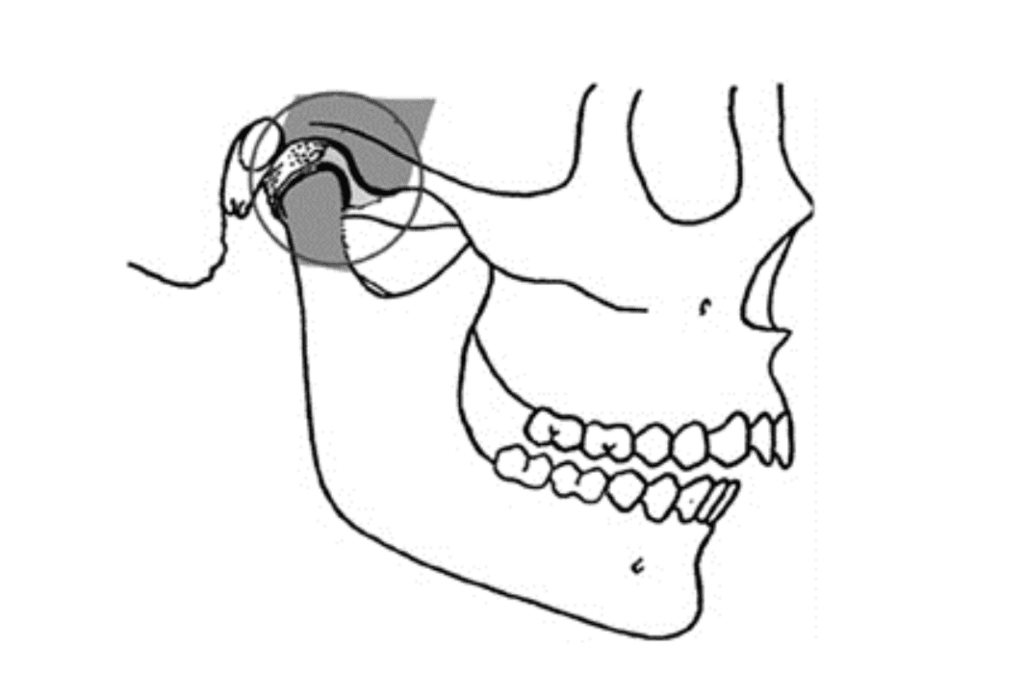
How Do You Know If You Achieved Centric Relation?
By: Dr. Leonard A. Hess, DDSClinical Director, The Dawson AcademyThis article originally appeared on TheDawsonAcademy.com, Dr. Hess…
TMJ 101: The Best TMD Treatment Options For Dentists
By: Dr. Leonard A. Hess, DDSClinical Director, The Dawson AcademyThis article originally appeared on TheDawsonAcademy.com, Dr. Hess…

What is Fremitus and Why Should You Check For It?
By: Dr. Leonard A. Hess, DDSClinical Director, The Dawson AcademyThis article originally appeared on TheDawsonAcademy.com, Dr. Hess allowed igniteDDS to…
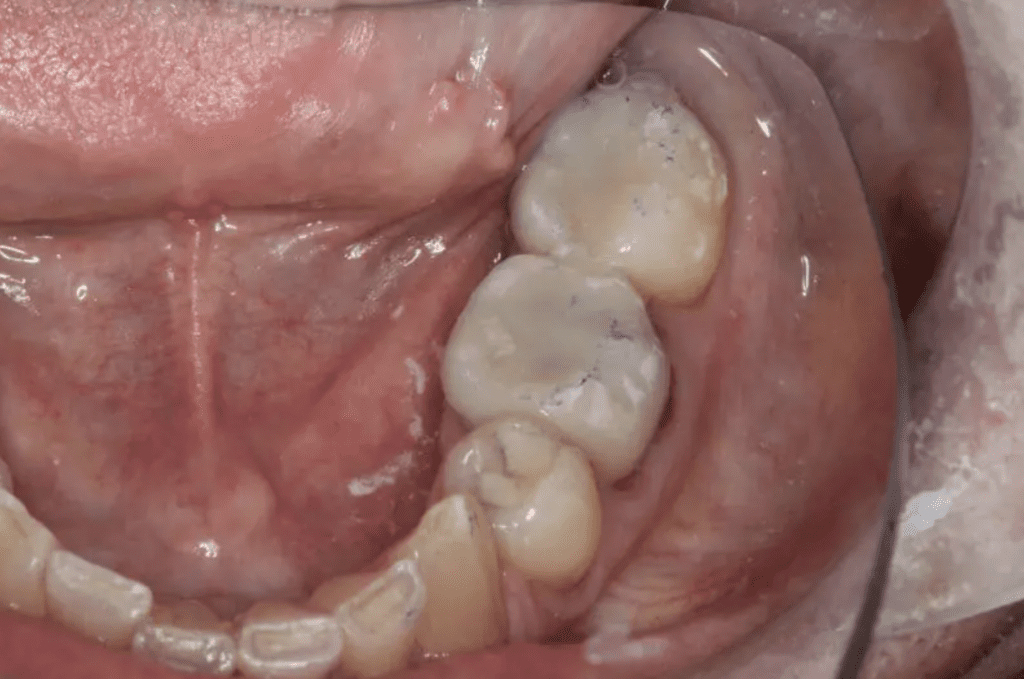
Dentist Education: How Do I Predictably Prep Second Molars?
By: Dr. Leonard A. Hess, DDSClinical Director, The Dawson AcademyArticle originally appeared on TheDawsonAcademy.com, Dr. Hess allowed…
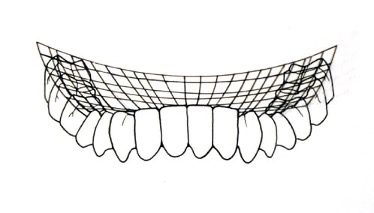
Sequencing a Full-Mouth Rehab: Anterior or Posteriors First?
The correct sequence to begin a full-mouth rehab is tobegin with the anterior teeth first, particularly the…
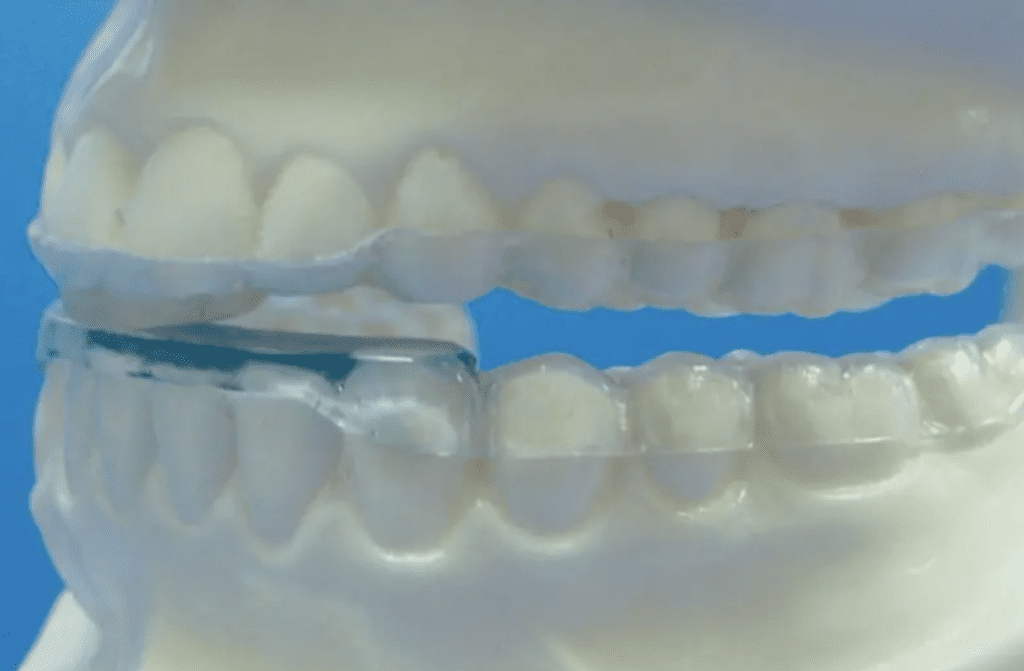
Q&A with Dr. Hess: Patients Who Have More Pain After Wearing a B-Splint
By: Dr. Leonard A. Hess, DDSClinical Director, The Dawson AcademyThe Article Originally Appeared on TheDawsonAcademy.com Question: What…
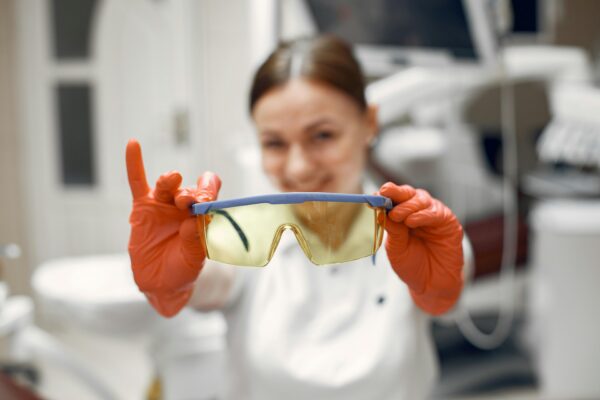
Help! My Dental Assistant Keeps Giving My Patients Dirty Glasses
By: Ronda Holman It might seem like a small thing, but when a dental assistant hands a patient safety glasses that are smudged, dusty, or have splatter marks, it sends a loud message: “We don’t pay attention to the details.” In a clinical setting where cleanliness is everything, dirty safety glasses can instantly create doubt…
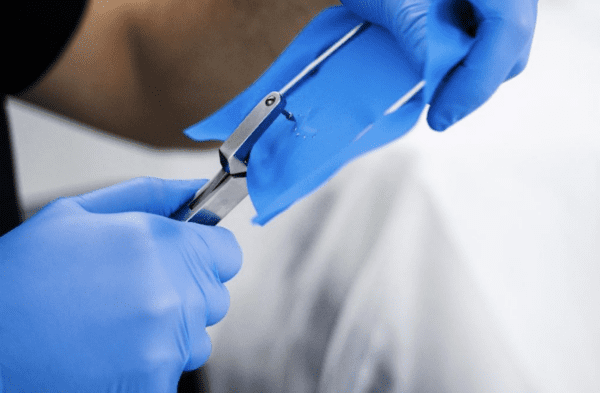
Rubber Dam Isolation: Maximizing Bond Strength to Enamel
By: Christopher Mazzola, DDSTopic Originally Appeared on PankeyGram.org. Dr. Mazzola granted permission for igniteDDS to share with our readers. Advantages of Utilizing Rubber Dam Rubber dam isolation has a lot of advantages to be used in dentistry, that are supported with many clinical studies. By making our everyday procedures easier, without having to worry about…

Why Updating UCR Fees Annually is Best Practice for Your Dental Practice
By: Angela Holland In any dental practice, one of the most critical components of financial health is the establishment and management of Usual, Customary, and Reasonable (UCR) fees. UCR fees are essentially the fees a dental practice charges for services based on what is typical for the area and within industry standards. These fees play…

Your License, Your Reputation, Your Responsibility: Lessons from Dr. A.R.
Closing the Series & Applying These Insights to Your Practice By: Candy Velez – CRDH, BSDH When you started this series, did you ever imagine you would gain so much insight from a single disciplinary case? The case of Dr. A.R. wasn’t just about one dentist’s mistakes—it was a window into the standards, expectations, and…
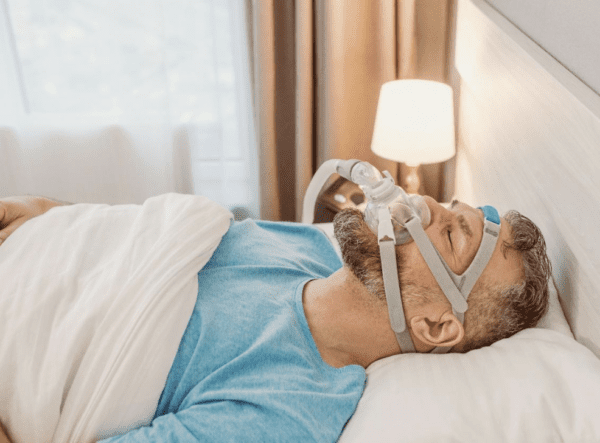
Obstructive Sleep Apnea Treatment: Oral Appliances And CPAP
By: Todd Sander, DMDTopic Originally Appeared on PankeyGram.Org. Dr. Sander granted igniteDDS permission to share with our readers. Patients suffering from obstructive sleep apnea (OSA) look for alternatives to continuous positive airway pressure (CPAP) or an integrated approach that would improve the quality of their lives and is easier to adapt. Clinicians struggle because most…

Ghosted by Your Dentist: When Poor Communication Becomes Patient Abandonment
Understanding Patient Abandonment – Lessons from Dr. A.R. By: Candy Velez – CRDH, BSDH Imagine calling your dentist’s office to schedule an appointment, only to discover the office is permanently closed with no way to retrieve your records. Suddenly, you are left without a provider, without guidance, and without access to your dental history. This…

No More Drama: How Clear Agreements Create a Thriving, Accountable Dental Team
By: Dawn Patrick, Dental Practice Coach + Director of Operations IgniteDDS Managing a dental practice comes with its fair share of challenges—especially when it comes to holding your team accountable. Too often, practice owners and managers find themselves frustrated when tasks aren’t completed, patient care falls through the cracks, or team members don’t meet expectations….
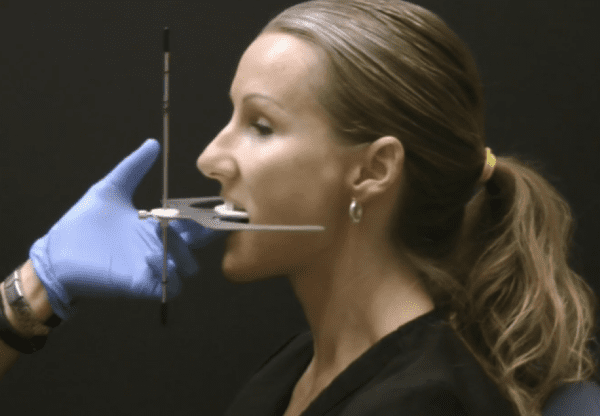
Mastering Panadent Dento-Facial Analyzer Technique
By: Lee Ann Brady DMDTopic Originally Appeared on PankeyGram.Org. Dr. Brady granted permission for igniteDDS to share with our readers. Mounting the maxillary models in three reference planes to the hinge axis and acquiring the esthetic information of occlusal and incisal planes are important both diagnostically and when sending information to the lab. Achieving both…

The Most Powerful Shield in Dentistry—Is Yours Full of Holes?
Inadequate Record-Keeping – Lessons from Dr. A.R. By: Candy Velez – CRDH, BSDH In the last blog, we explored Dr. A.R.’s failure to conduct a comprehensive periodontal evaluation and how that oversight compromised patient care and legal protection. But charting alone is not enough—if documentation is incomplete, vague, or missing critical details, it fails to…

The Benefits of Accepting Dental Insurance at Your Dental Practice
By: Angela Holland In today’s competitive healthcare landscape, offering dental insurance as a payment option can be a game-changer for your practice. While it may require additional administrative work, the benefits far outweigh the challenges. Here’s why accepting dental insurance can be a win-win for both your practice and your patients. 1. Attract More Patients…