

Dr. Leonard Hess began teaching continuing education courses in 2005, and the topics include occlusion, smile design, treatment planning, preparation design, and practice integration of complete dentistry.
He’s taught full-day continuing education courses at the American Academy of Cosmetic Dentistry’s national meeting, The Greater New York Dental Meeting, AACD National Meeting, Pacific Dental Conference, Ontario Dental Association meeting, and The Yankee Dental Conference.
Dr. Hess also has taught courses in Japan, Germany, Poland, China, and Canada.
Dr. Hess is currently serving as the Senior Clinical Director at The Dawson Academy. He also owns Union County Center for Comprehensive Dentistry in Charlotte, North Carolina.
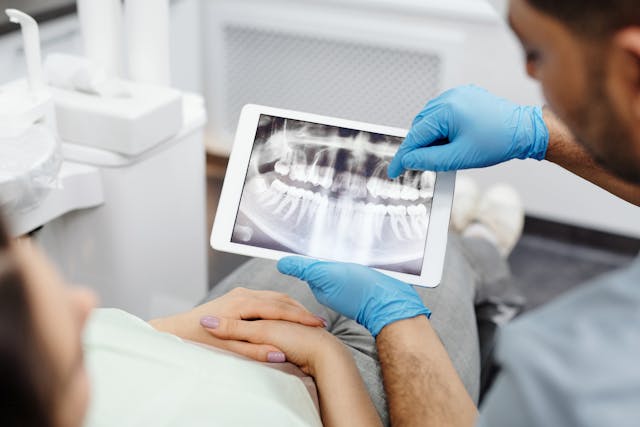
Complete Examinations in Dentistry
By: Dr. Leonard A. Hess, DDSClinical Director, The Dawson AcademyThe Article Originally Appeared on TheDawsonAcademy.com. Dr. Hess…

How To Track Key Dental Practice Performance Metrics
By: Dr. Leonard A. Hess, DDSClinical Director, The Dawson AcademyThe Article Originally Appeared on TheDawsonAcademy.com Measure What’s…

Top Phone Greeting Tips for Dental Practices
By: Dr. Leonard A. Hess, DDSClinical Director, The Dawson AcademyThe Article Originally Appeared on TheDawsonAcademy.com In today’s…
How to Master a Complete Dental Examination
By: Dr. Leonard A. Hess, DDS, Clinical Director, The Dawson AcademyThis article originally appeared on TheDawsonAcademy.com, Dr….
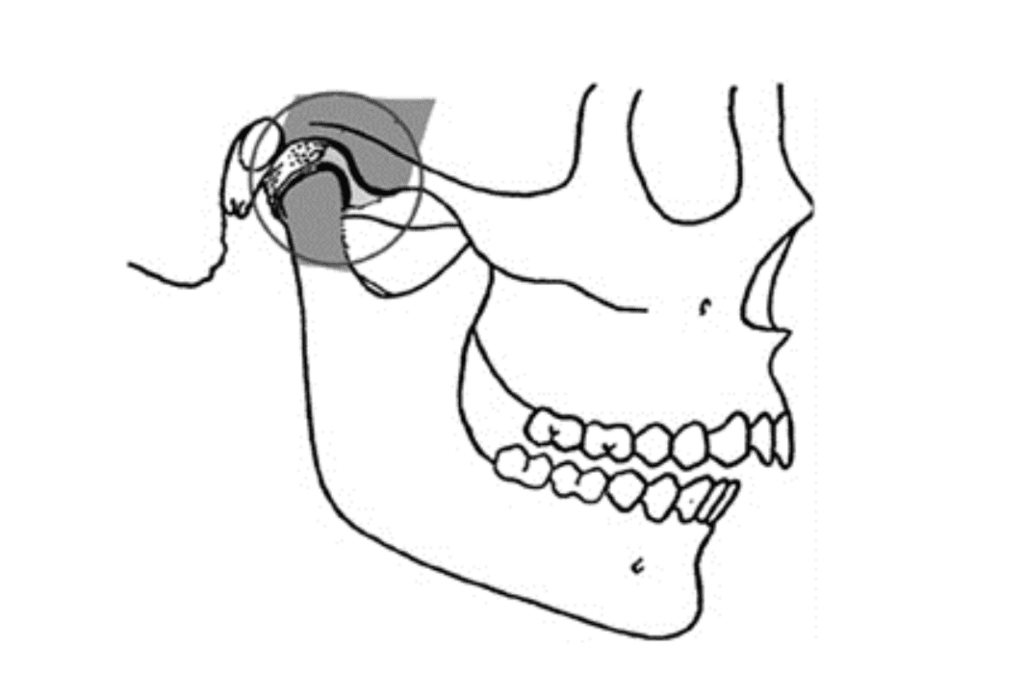
How Do You Know If You Achieved Centric Relation?
By: Dr. Leonard A. Hess, DDSClinical Director, The Dawson AcademyThis article originally appeared on TheDawsonAcademy.com, Dr. Hess…

TMJ 101: The Best TMD Treatment Options For Dentists
By: Dr. Leonard A. Hess, DDSClinical Director, The Dawson AcademyThis article originally appeared on TheDawsonAcademy.com, Dr. Hess…

What is Fremitus and Why Should You Check For It?
By: Dr. Leonard A. Hess, DDSClinical Director, The Dawson AcademyThis article originally appeared on TheDawsonAcademy.com, Dr. Hess allowed igniteDDS to…
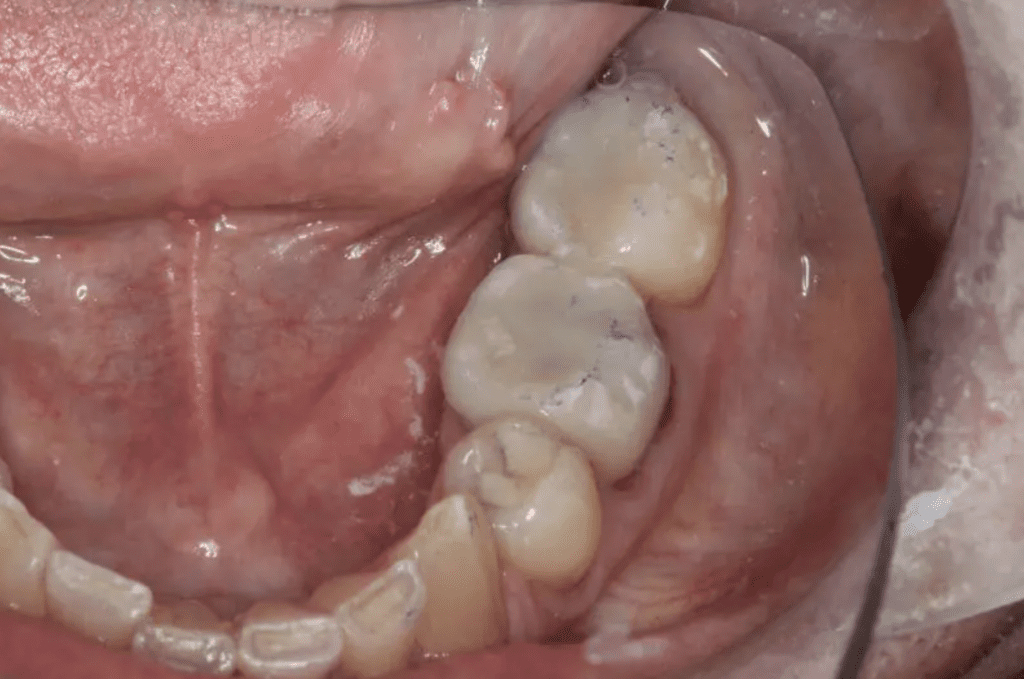
Dentist Education: How Do I Predictably Prep Second Molars?
By: Dr. Leonard A. Hess, DDSClinical Director, The Dawson AcademyArticle originally appeared on TheDawsonAcademy.com, Dr. Hess allowed…
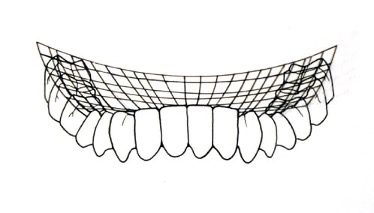
Sequencing a Full-Mouth Rehab: Anterior or Posteriors First?
The correct sequence to begin a full-mouth rehab is tobegin with the anterior teeth first, particularly the…
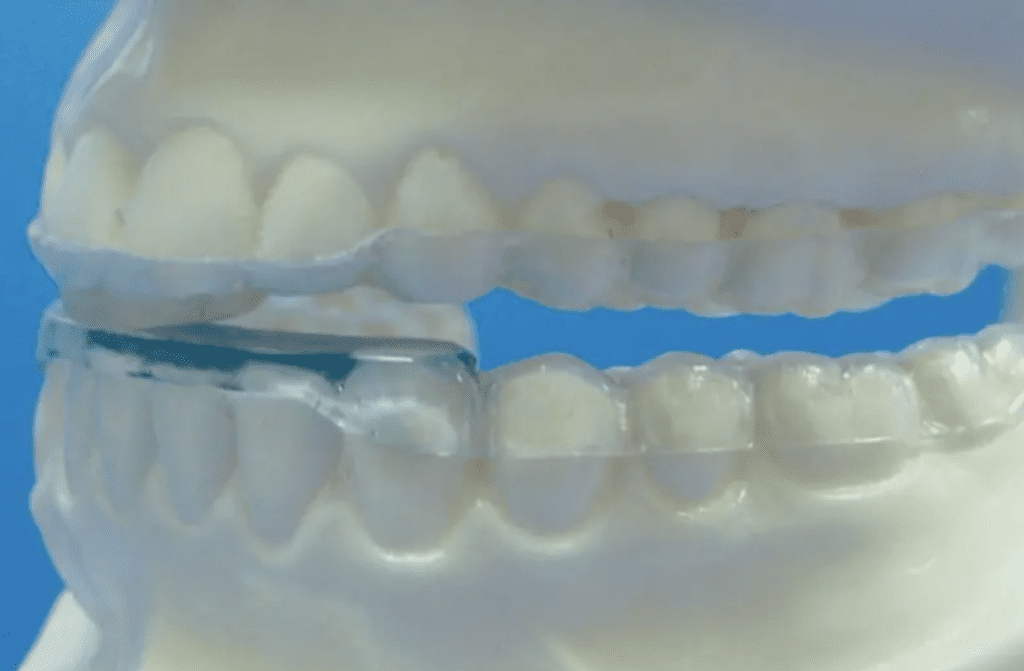
Q&A with Dr. Hess: Patients Who Have More Pain After Wearing a B-Splint
By: Dr. Leonard A. Hess, DDSClinical Director, The Dawson AcademyThe Article Originally Appeared on TheDawsonAcademy.com Question: What…
Lessons Learned From Listening to Different Preceptors as a D4
By: Michael Eid One of the hardest parts of dental school isn’t the hand skills or the exams — it’s treatment planning. One thing I’ve learned is that every preceptor has their own philosophy. At first, you want to take every word as gospel. But the deeper you get into clinic, the more you realize:…

Mentoring the Next Generation of Dentists: Your Legacy Matters
By: Edwin A. McDonald, DDS This topic originally appeared on PankeyGram.org. Dr. McDonald granted permission for igniteDDS to share with our readers. After over 40 years of offering relationship-based dentistry, I’ve learned that while the clinical aspects of dentistry continue to evolve, the core human needs remain the same. Patients still want to be heard, understood,…

Removing Saliva Contamination Effectively from Indirect Restorations
By: Dr. Lee Ann Brady, DMD This topic originally appeared on PankeyGram.org, Dr. Brady granted permission for igniteDDS to share with our readers. One of the most common and frustrating challenges with indirect restorations is achieving a strong bond after intraoral try-ins. Saliva contamination during this step is nearly unavoidable, yet even a small amount can…

Equal Pay vs. Fair Pay: What’s Best for Your Practice?
By: Garrett Wilson Compensation is one of the toughest decisions dental offices face. Limited access to reliable data, a lack of clear best practices, and the absence of a consistent structure can make it overwhelming. But one choice every practice must make is whether to follow an equal pay or a fair pay philosophy. Equal…

This Is Just How It Is, Right?
By: Dr. Eric Recker I remember so vividly being in the throes of burnout. My life had gone gray. Nothing excited me. I was under immense pressure running a practice with a team of 18. I was exhausted. I was dying inside. I questioned whether it would matter if I wasn’t here on this earth…

How Dentists Can Be Patient with Their Dental Assistant as They’re Still Learning
By: Ronda Holman Every dentist remembers that awkward learning curve when they first started practicing — the fumbling, the second-guessing, the mental checklist running in the background. Your dental assistant goes through the same thing, but here’s the kicker: they didn’t go to dental school. That means, in the beginning, …and that’s okay. Learning a…
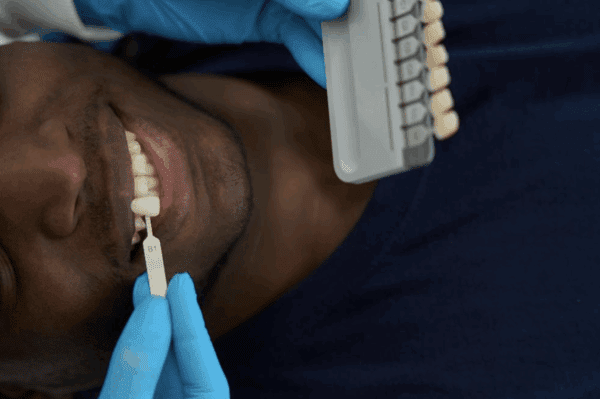
Resin-Bonded Bridges: A Conservative Approach for Missing Lateral Incisors
By: Lee Ann Brady, DMDThis topic originally appeared on PankeyGram.org. Dr. Brady granted permission for igniteDDS to share with our readers. As restorative dentists, our commitment to providing high-quality, lasting dental care is unwavering. Ideally, we’d offer our patients restorative solutions that last a lifetime without needing repair or replacement. However, in reality, no restoration…

The Hidden Power of Strategic Insurance Credentialing for New Dental Practice Owners
By: Angela Holland When you’re a first-time dental practice owner, the thrill of finally running your own show is unbeatable. You’ve got the skills, the vision, and the patients — but here’s the catch: you don’t know what you don’t know. One of the biggest blind spots? Insurance credentialing. Strategic Insurance Credentialing It’s not just…

Building a Highly Productive Schedule with Fewer Patients
By: John C. Cranham, DDS This topic originally appeared on PankeyGram.org. Dr. Cranham granted permission for igniteDDS to share with our readers. When I’ve looked at and really studied my practice numbers over the years, my favorite has always been productivity per hour. I have aimed to focus on a low volume of patients who need…

Lessons Learned From Doing Emax Crowns 6–11 as a D4 Student
By: Michael Eid I had the opportunity to help my best friend, Bashar AbuJardeh, on a huge case as a dental student. Although crowning anterior teeth may be routine for a seasoned dentist, it’s a rare and special opportunity in dental school — especially when the case spans from tooth #6 to #11. Working on…