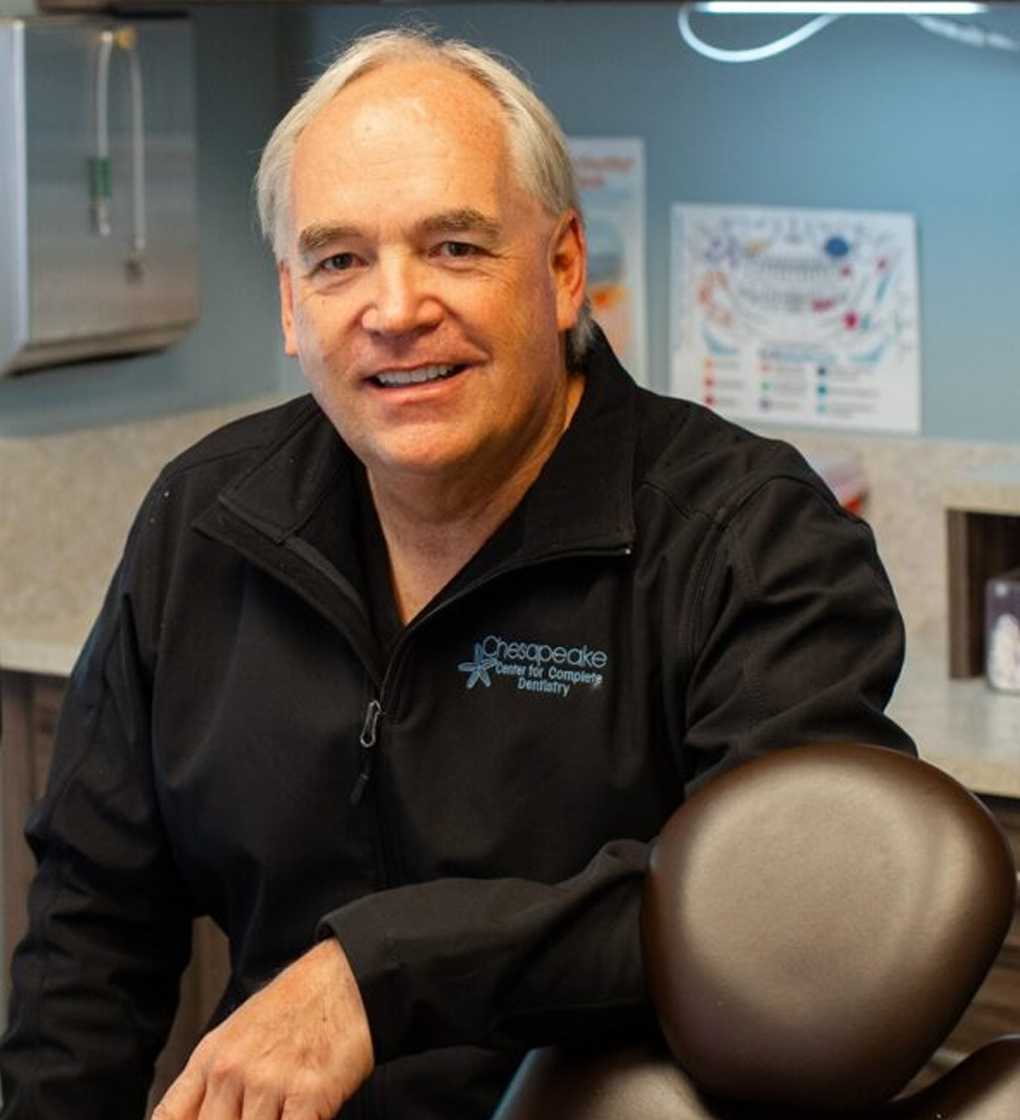
By: John C. Cranham, DDS
This article originally appeared on PankeyGram.Org. Dr. Cranham granted permission for igniteDDS to share with our readers.
Managing complex esthetic and functional dental cases requires precision, efficiency, and a thorough understanding of occlusion. Traditional analog workflows have served dentistry well, but digital workflows now allow for greater accuracy, predictability, and efficiency.
My experience is that transitioning to a fully digital workflow doesn’t happen overnight. I made the transition by mastering the following five key workflows, one at a time.
Case Planning with a Virtual Articulator
One of the most significant advancements in digital dentistry is case planning by using a virtual articulator. This workflow enables clinicians to replicate traditional analog techniques—gathering photographs, analyzing occlusion, and assessing centric relations—within a digital space.
Virtual articulator allows for:
- Faster treatment planning while maintaining biologic and functional stability.
- More accurate occlusal analysis, including slides and first points of contact.
- Seamless integration with orthodontic planning tools like ClinCheck.
- Efficient visualization of restorative outcomes before initiating treatment.
For example, in cases requiring Invisalign and conservative veneers, the ability to design and preview the final outcome digitally provides clarity for us and our patient. Integrating a virtual articulator ensures occlusal harmony before finalizing prosthetic design.
Printing Precise Orthodontic Splints and Night Guards
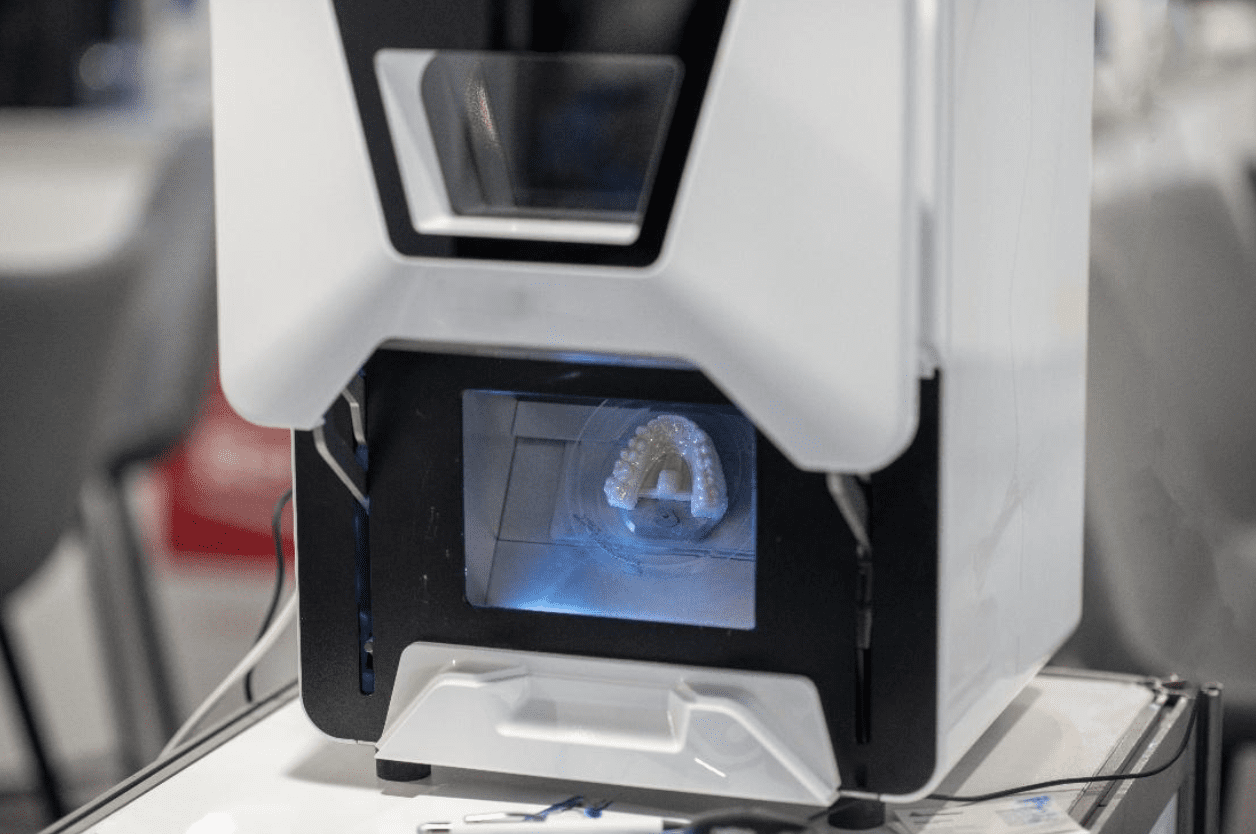
Digital workflows enable the rapid design and production of night guards to protect dentition and manage parafunctional habits. With streamlined software tools like Splint Studio, clinicians can design occlusal devices in as little as 15-20 minutes.
The ability to print these appliances in-house significantly reduces lab costs while ensuring a superior fit and function:
- Dual-arch and full-arch precise orthodontic splints.
- Custom night guards fabricated in-house or via a trusted lab.
- Appliances utilizing KeySplint material for enhanced durability and comfort.
- Alteration of Vertical Dimension of Occlusion with Printed Onlays (Toppers)
A modern digital solution is the use of printed onlays, or “toppers,” to alter the vertical dimension of occlusion without prepping posterior teeth.
This approach is particularly beneficial for erosion cases requiring:
- Conservative increase of the vertical dimension of occlusion
- Precise occlusal adjustments without full-mouth rehabilitation.
- A phased treatment plan allowing for posterior stabilization before anterior restorations.
We can bond these onlays in a segmented manner, ensuring proper occlusion before advancing to anterior restorations.
Digital Dentures: The New Standard
For edentulous patients or those requiring immediate dentures, digital workflows provide a superior alternative to traditional techniques.
Digital dentures offer:
- Improved fit and function compared to analog methods.
- Efficient design and fabrication using patient scans.
- A predictable setup process akin to a digital wax-up.
- Enhanced communication with labs through digital previews.
By leveraging digital scanning and design, we can create removable digital dentures with increased accuracy, eliminating the common challenges associated with traditional dentures, such as shrinkage and fit discrepancies.
Prosthetically Driven Surgical Planning for Dental Implants
A prosthetically driven digital workflow ensures that dental implant positioning aligns with the final restoration.
Key benefits include:
- Data stacking: Combining CBCT scans with digital wax-ups to plan dental implant positioning.
- Real-time visualization of restorative and occlusal considerations.
- Creation of custom surgical guides for highly accurate placement.
- In-house printing of guides, reducing lab dependency and improving efficiency with digital workflow.
By integrating these digital tools, we can plan dental implants with confidence, ensuring predictable outcomes and better patient satisfaction.
In Conclusion
I invite you to watch this video on YouTube, which is a preview of what Digital Mastery at The Pankey Institute has to offer you. If you are interested in embracing digital dentistry with advanced hands-on training, you should definitely consider registering for Functional Esthetic Excellence. Start implementing these digital workflows in your practice and notice the difference in practice efficiency and patient experience.