By: Paul Henny, DDS
This topic originally appeared on PankeyGram.org. Dr. Henny granted permission for igniteDDS to share with our readers.
According to the CDC, one in three Americans will be diabetic by 2050 if we don’t make significant course corrections. By that same time, 42% of the population is expected to be obese, a condition strongly associated with sleep apnea, of which 80% remains undiagnosed.
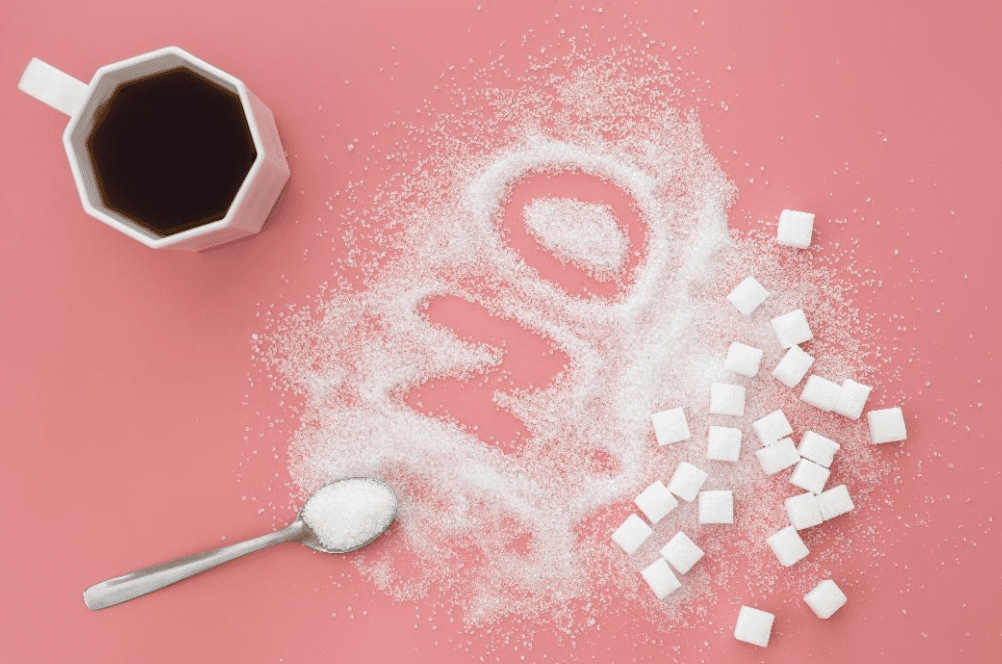
Much of this crisis is linked to the excessive consumption of added sugar. The average American consumes 17 teaspoons of added sugar per day, adding up to roughly 60 pounds per year.
When we zoom out and assess the broader impact of this level of sugar intake, it becomes clear.
Sugar intake is:
- Inflammatory
- Destructive
- Sometimes lethal
It compromises:
- The immune system
- The pancreas
And it’s a major driver in chronic diseases like:
- Alzheimer’s
- Cancer
- Diabetes
- Heart disease
A Historical Shift with Lasting Consequences
The large-scale cultivation of sugar cane began in the 16th century, followed by the development of beet sugar and, more recently, high-fructose corn syrup—now ubiquitous in processed foods. As demand rose, the food industry escalated its engineering of the “bliss point,” fine-tuning products to maximize flavor and consumption.
Add to this:
- Modern food preservatives (which disrupt oral and gut microbiomes)
- Glyphosate (a known carcinogen)
- Genetically modified organisms (some of which provoke gut inflammation)
- Environmental toxins in:
- Air
- Products
- Packaging
And we have a perfect storm of conditions contributing to declining lifespan and “health span” (the quality of life in our final years).
The Growing Health Crisis Dentists Can No Longer Ignore
In dentistry, sugar showed up first as tooth decay. For centuries, it’s been a primary driver of treatment and profitability. In the 1940s, fluoride was introduced to public water systems, which led to a 25% reduction in dental caries in fluoridated areas. We applauded the results, flooded oral care products with fluoride, and shifted our focus back to repairing and replacing teeth.
Meanwhile, as trust in tap water declined and convenience culture expanded, people turned increasingly to:
- Processed foods
- Sugary beverages
Further fueling the very conditions that create and worsen systemic inflammation.
From Caries Lesion to Chronic Disease
Today, sugar and processed food consumption are directly linked to:
- Insulin resistance
- Prediabetes
- Diabetes
- Metabolic syndrome
- Fatty liver disease
- Hypertension
- GI conditions
- Heart disease
- Gut and oral dysbiosis
The result? A healthcare system that has little time or incentive to focus on prevention or long-term wellness. Instead, it operates primarily as reactive “sick care.”
- Most patients see their doctor for just seven minutes
- 70% of Americans take at least one prescription medication daily
- 24% take four or more
The Health-Centered Dentist’s Role in a New Kind of Care
As dentists, we’re in a uniquely powerful position. We see patients more regularly than physicians do. We’re ideally situated to bridge the gap between “sick care” and true health care. But that requires a different practice philosophy and a different kind of relationship with each person who enters our practice.
Bob Barkley called it a therapeutic relationship—one that is:
- Goal-oriented
- Collaborative
- Centered on improving health, function, and esthetics
Dr. L.D. Pankey taught us what is required to create that kind of relationship and practice. He said we must:
- Know ourselves
- Know our patients
- Know our work
- Apply our knowledge
This formula calls for a lifetime of learning and growth. It also demands that we stay current on the evolving science that connects oral health to systemic health.
A Fulfilling Future for Dental Professionals
The road ahead for independent, comprehensive, health-centered dentists is challenging, but it also holds incredible promise. This path leads to professional fulfillment and, ultimately, a deeply meaningful life and career rooted in purpose, service, and continual growth.
Is this not what creates and defines our long-term happiness?