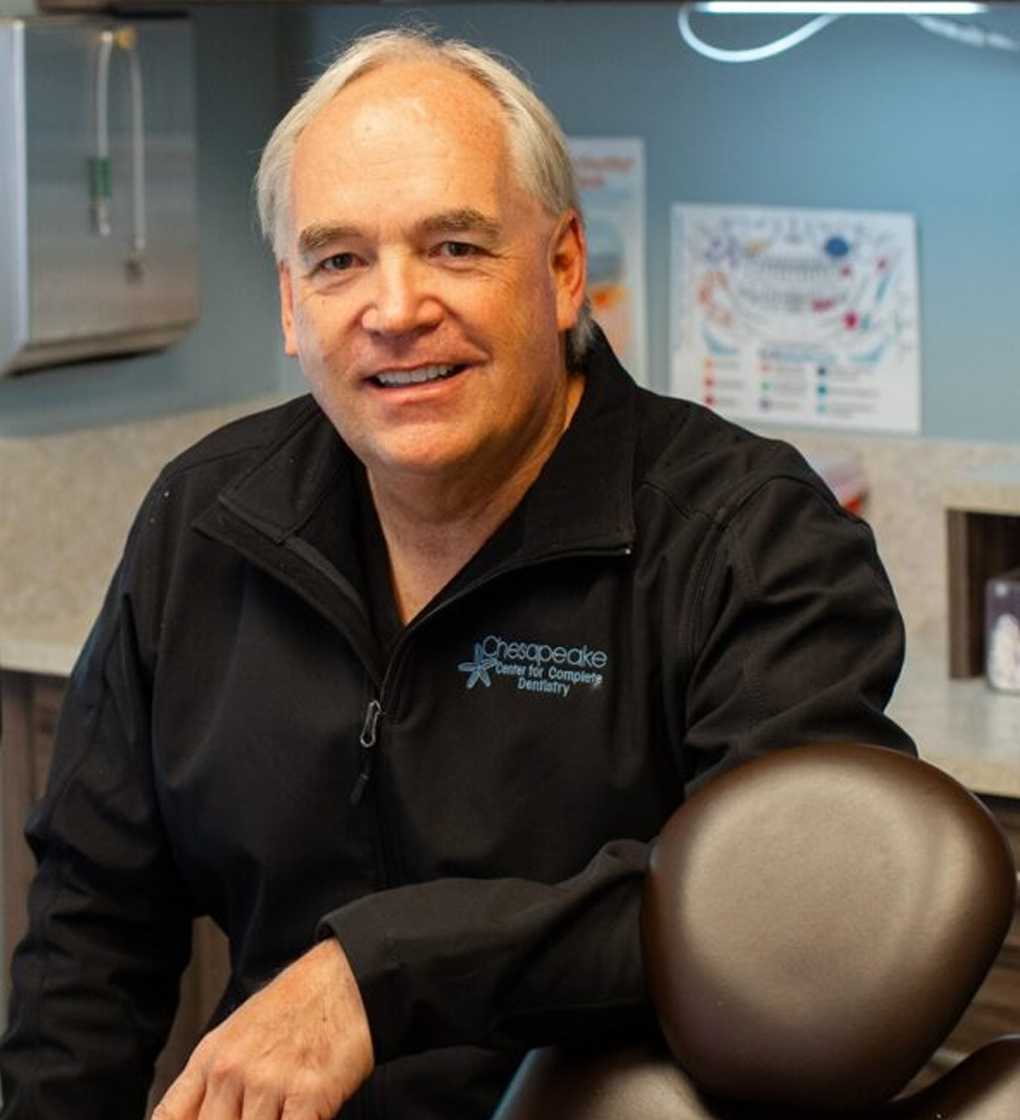
By: John C. Cranham, DDS
This topic originally appeared on PankeyGram.org. Dr. Cranham granted permission for igniteDDS to share with our readers.
When I’ve looked at and really studied my practice numbers over the years, my favorite has always been productivity per hour. I have aimed to focus on a low volume of patients who need advanced dentistry.
As my practice developed, I was able to earn more per hour on fewer patients. I was able to earn as much or more while working fewer hours, and my overhead went down because the office was open fewer hours.
Successful Dental Practices Focus on Productivity per Hour
Rather than just firing off from the hip and trying to make a treatment plan with the patient who is in the chair, I now invite them back for what I call an “advanced records visit.” Then I focus on making comprehensive records and studying those to create a well-thought-out treatment plan. The time spent planning the treatment may be an hour.
When you become good at treatment planning, it may take as little as 20 minutes. But the idea is to do better dentistry for your patients and get to where you are working on about 12 big cases each month. I have found that doing more than that is exhausting and makes it difficult to maintain patience.
Creating a Schedule That Supports Your Workflow
As I gained experience and a steady flow of comprehensive cases, I realized the importance of structuring my days to support high-quality, uninterrupted patient care.
This meant dividing my schedule into two types of blocks:
- Uninterrupted time for executing advanced treatment plans
- Designated time for general dentistry and walk-in emergencies
We start each day with a morning huddle to review our schedule and ensure we’re aligned on treatment goals and any adjustments needed. I personally begin my day around 6:00 AM, using the early hours to review case records in peace, a habit that has become essential to maintaining both productivity and clarity.
You may find a different rhythm that works better for you. Schedules should evolve with your practice and personal life. There is no perfect one schedule that fits all dental practices all the time, what matters is that your workflow supports deep focus for complex cases and accommodates the general dentistry that keeps your base strong.
Effective Strategies to Reduce Cancellations and Rescheduling
Once I had a steady flow of big cases coming in and productivity per hour was high, I no longer felt the need to keep my office open long days or to offer evening appointments. I discovered that evening appointments were the ones patients most often cancelled. And when we cut back on our afternoon appointments a few years ago, patients were accepting once they heard it was because the team and I wanted to spend more time with our families.
You may discover that when there are fewer appointment slots available, your patients’ perceived value of them rises, and patient calls to cancel or reschedule diminish.
Starting out in practice means delaying the gratification of shorter workdays. It will take some time to get your steam engine rolling, but stay the course, balanced with being kind to yourself so you can keep going. Keep your vision alive and educate your patients toward the comprehensive dentistry that will serve them best. Be patient. Your low-volume/high-earning productivity per hour will grow slowly and then faster.
At every stage of practice, I think there is one thing all dentists have in common. They relish the quiet hours when they are alone, planning treatment. Those are the hours when they feel most at peace, most able to solve complex problems, and actively create plans for efficiently delivering dentistry. As a young dentist, you might experience this once per month, and after a few years, you may experience this nearly every day. Those quiet hours are powerful hours for driving productivity.
In Conclusion
It’s not about working less, it’s about working smarter, delivering better dentistry, and maintaining your wellbeing as a dentist. To offer more comprehensive care and build a highly productive schedule in your practice, I recommend you visit advanced educational courses at The Pankey Institute that take you from compromise to comprehensive treatment planning to become fully competent in delivering the complex treatments patients need.