By: Kelley Brummett, DMD
This Article Originally Appeared in PankeyGram.Org. Dr. Brummet granted permission for igniteDDS to share with our readers.
As digital dentistry continues to revolutionize the way we practice dentistry, the functional capacity of the new tools, ease of use, and efficiency make them indispensable for modern practice workflows. However, even the most advanced technologies sometimes fall short of delivering the precision required for certain clinical scenarios.
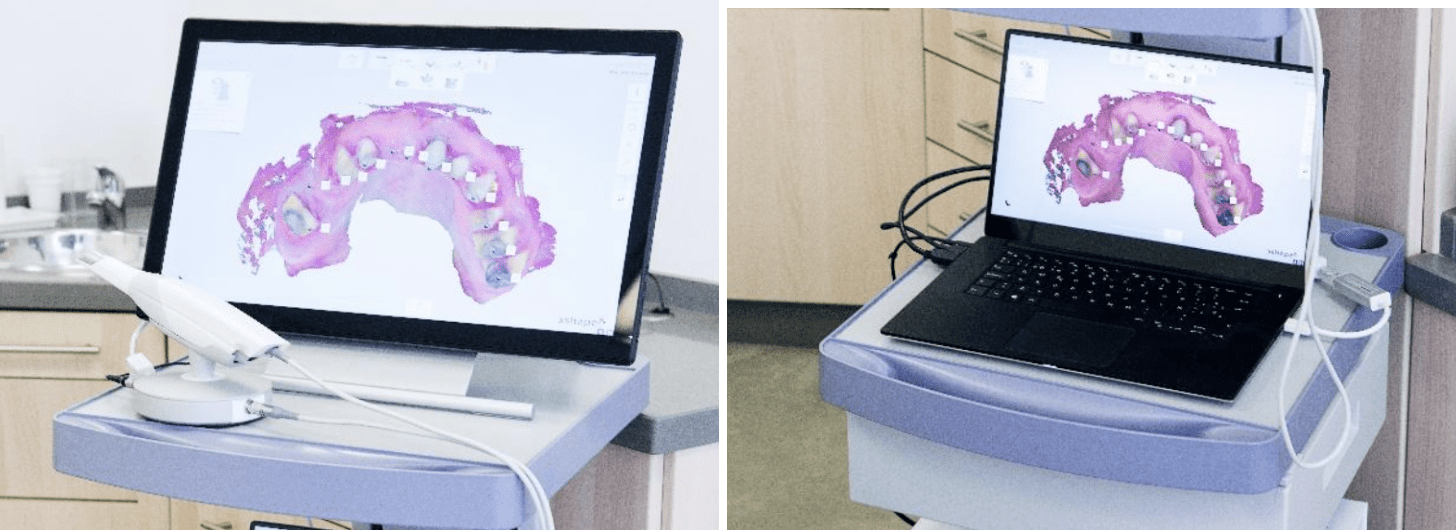
This is particularly true for digital impressions, which, while reliable in most cases, may occasionally fail to capture all small details. When this happens, it’s essential to know when and how to turn to analog impressions for a more comprehensive approach.
Balancing Digital Dentistry with Clinical Judgement
In my practice, I rely heavily on digital dentistry tools such as the iTero scanner for restorative work, particularly crown preparations. These tools are incredibly efficient and deliver exceptional results in the majority of cases. However, there are occasions when the clinical situation—such as the condition of the tooth or the margins of the preparation—requires a different approach for successful dental restorations.
For example, a recent case involved a patient with a previous crown on a root canal-treated tooth. After removing the old crown, prepping the tooth, and performing a new buildup, I encountered challenges with the scanner capturing clear margins due to the tooth’s compromised structure.
In such instances, relying solely on digital impressions could lead to inaccuracies that may impact the final dental restoration.
The Role of Analog Impressions
When digital dentistry falls short, analog impressions using high-quality materials like DMG’s Honigum Pro can provide the additional detail needed. In this case, I used Honigum Pro light body and heavy body materials, ensuring the analog impression captured the exact margins and provided a clear reference for the lab.
Additionally, I combined the digital scan with the analog impression, allowing the lab to compare both and determine the most accurate path forward.
This dual approach offers several advantages:
- Enhanced Margin Clarity: Analog impressions, when injected under pressure, can push the tissue back and flow seamlessly around the margins, capturing intricate details that may be missed digitally.
- Increased Flexibility for the Lab: Providing both digital and physical impressions gives the lab a complete picture, reducing the likelihood of remakes and patient callbacks.
Communicating with Patients
When I need to take additional steps like combining digital dentistry with analog impressions, I communicate the reasons to patients. For example, I explain that the goal is to ensure the dental restoration fits perfectly the first time, avoiding the inconvenience of multiple visits.
Patients appreciate understanding why a seemingly redundant step is actually a proactive measure to save them time and discomfort in the long run.
Embracing the Best of Both Worlds
While I am a firm advocate for digital dentistry, I’m grateful for the analog impressions that complement and enhance our digital workflows. Having the ability to compare digital and analog impressions ensures that we provide the highest standard of care for every patient, regardless of the situation.
By embracing both approaches, we can achieve greater precision, efficiency, and patient satisfaction.
Digital dentistry tools are transformative, but knowing when to pause, assess, and integrate analog techniques ensures that we’re delivering the best possible outcomes. After all, it’s not about choosing between digital and analog—it’s about using the right tool for the right situation.
In Conclusion
I hope these insights help you navigate those rare but critical moments when digital impressions alone aren’t enough. By balancing the best of both worlds, we can continue to elevate the quality of care we provide.If you want to learn more about overcoming digital dentistry challenges, you should register for Functional Esthetic Excellence at The Pankey Institute. Embrace a 100% digital workflow while knowing when to apply analog methods when necessary.
Discover a new world of possibilities in your practice, combining both analog and digital workflows!